
Luxury Beauty Blog
bunny
Honest makeup reviews, product comparisons, FOTD looks, and beauty hauls — from a beauty-obsessed friend who tells it like it is.
Explore the Blog
"I am a major beauty addict, but my biggest challenge is actually using the products I'm obsessing over! I shop frequently, but most days pass and not a speck of makeup goes on my face."
— Joyce, bronzer bunny
Meet Joyce
About bronzer bunny
A beauty journey, one swipe at a time
Joyce started bronzer bunny to share her honest take on luxury and mid-range beauty products. Based near Chicago, she's a self-described beauty addict who loves connecting with fellow enthusiasts. Her blog features in-depth reviews of brands like Chantecaille, Burberry, Tom Ford, Nars, Guerlain, and Tatcha — always with a warm, conversational voice.
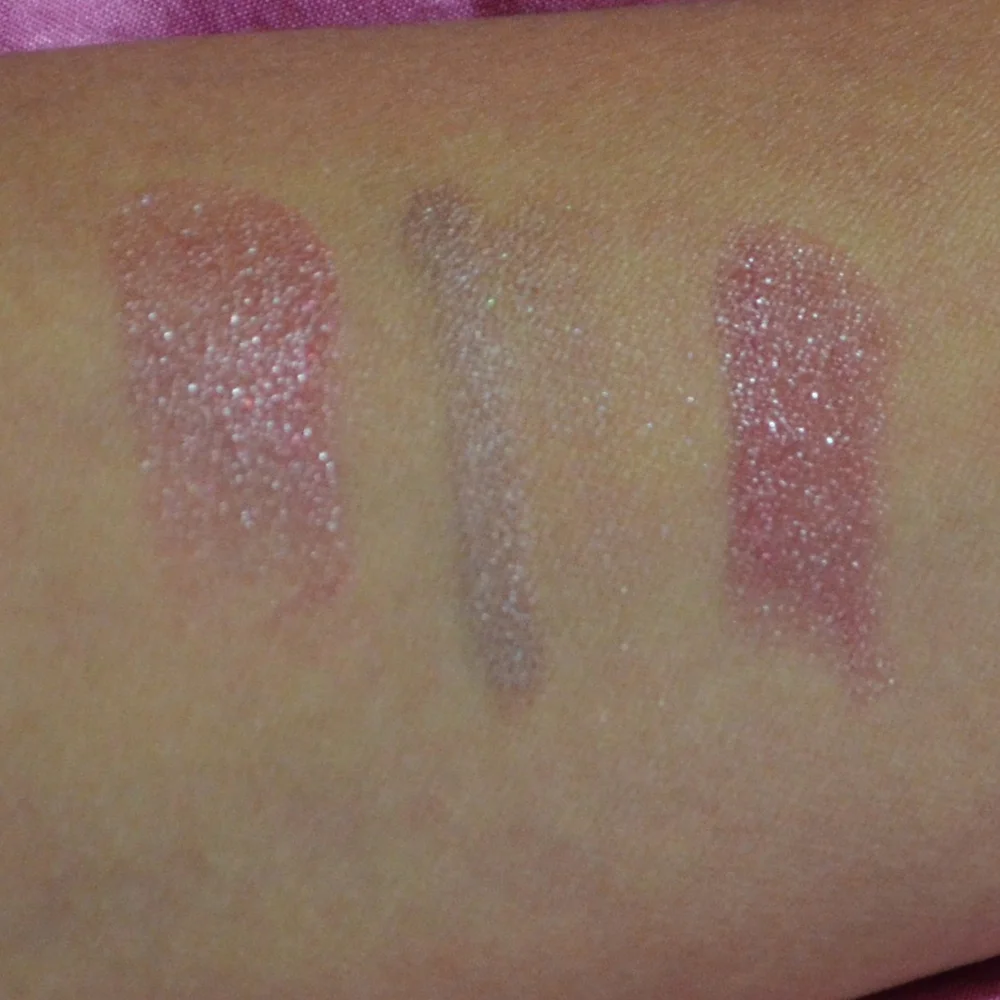
Recurring series like Love It or Toss It, Products That Didn't Work for Me, Weekly Rotation, and Lipstick Diaries kept readers coming back for real talk about what's worth the splurge. From FOTD posts to shopping hauls along Chicago's Magnificent Mile, Joyce documented her makeup journey from November 2011 through early 2014.

Your Guide to Skincare Prep for a Flawless Makeup Base
The best makeup base begins before a single drop of foundation. Skincare prep for a flawless makeup base creates a smooth, comfortable surface while addressing the issues that matter to your skin, such as dryness, congestion, uneven texture and lingering marks. It also gives you a reliable starting point when a new foundation, primer or concealer needs to perform well without caking or separating.
Australian conditions make this especially worthwhile. Our strong UV levels, changeable weather and frequent indoor air-conditioning can leave skin dehydrated, while humid days have the opposite effect by encouraging excess oil. A practical routine should work with those realities rather than follow a complicated ten-step script. Think of it as a dependable “no-filter glow” built from healthy skin, sensible product choices and enough time for each layer to settle.
Start with a simple two-step routine
A useful morning prep routine has three broad stages: cleanse, treat and moisturise. Cleanse removes overnight oil and grime, treatment can target a specific concern, and moisturiser leaves the skin comfortable beneath sunscreen and makeup. You do not need every trendy ingredient on the shelf; choosing products that suit your skin and using them consistently is more valuable than owning a crowded bathroom cabinet.
If you are still working out where to begin, the practical routine videos show how products come together in real routines rather than as isolated steps. Pay attention to application order and how long each product needs to dry. That visual detail often explains why the same combination can look dewy on one person and overly shiny on another.
Keep the evening routine similarly uncomplicated. Cleanse, apply one treatment if needed, and finish with a richer moisturiser. Overnight, skin can recover from a little dryness without the added friction of several active products. The objective is a repeatable system you can maintain when you are tired, travelling or trying to spend less time at the bathroom counter.
Cleanse without stripping the skin
Choose a cleanser that removes makeup and sunscreen without leaving your skin tight. Gel textures suit many people who become oily through the afternoon, while creams and milks can feel gentler on dry or sensitive skin. The label matters less than the result: your skin should feel clean, not squeaky, squeaky being a sign that its protective moisture has been removed.
A double cleanse is useful after a heavier night, though it is not essential every day. An oil-based cleanser or cleansing balm first dissolves sunscreen, foundation and long-wear products. A second wash with a gentle lotion cleanser removes any residue. If you wear lighter daytime makeup, one well-chosen cleanser may be enough.
Water quality is another Australian consideration. In many homes and apartments, hard water can leave a film on the skin or make foundation cling to dry patches. A thorough rinse and a creamy cleanser may reduce that feeling, while a limescale-limiting showerhead can help if buildup is a recurring issue. Cleansing brushes and abrasive washcloths are unnecessary and can make redness, texture and product adherence worse.
Choose treatments that suit your skin
Treatments should be selected for a current concern rather than added because a bottle looks appealing on sale. Salicylic acid may help with congested pores and blemishes, while a retinoid can improve the appearance of uneven texture over time. Vitamin C, azelaic acid and niacinamide each have potential uses, but they serve different purposes and may not suit every skin type.
Introduce one active at a time and use it consistently before adding another. This makes it easier to spot irritation or a reaction. If your skin is sensitive, rosacea-prone or currently inflamed, start with a lower strength and a smaller amount. It is also sensible to pause strong actives when your barrier feels compromised.
Results take time, and a treatment that works gradually is usually more useful than one that causes a reaction. For personal recommendations and longer-term observations, my skin-care journal offers product notes that focus on texture, compatibility and real-world wear rather than dramatic promises. Take a clear photo in the same lighting every few weeks; subtle changes are often easier to see that way.
Hydrate for the conditions you have
Hydrating ingredients such as glycerin, hyaluronic acid and panthenol help skin hold water, while ceramides and squalane support a softer barrier. Apply treatment first, then a moisturiser formulated for your skin type. Gel creams often work well in humid weather, whereas richer creams can feel more comfortable during dry winter days in Melbourne or Canberra.
Oily skin still needs moisture. Using a harsh gel and skipping moisturiser can trigger extra oil production, leaving you with both shine and dehydrated patches. A light, oil-free moisturiser is usually enough, followed by a mattifying primer only where you need it. If some areas are dry and others are oily, apply moisturiser selectively rather than forcing one texture across your entire face.
Product shopping in Australia is famously price-conscious, and Priceline, Chemist Warehouse, supermarket beauty aisles and discount chemists make it easy to compare formulas. Check the ingredient list, size and total price rather than judging value by the bottle alone. Two similar moisturisers may differ in fragrance, essential oils or texture, details that can determine whether you reach for them every day. Give any new product several days to settle before applying makeup over it.
Make sunscreen the foundation of your base
Australia’s sun exposure makes daily sunscreen a non-negotiable part of preparation, even when the forecast looks mild. Broad-spectrum, water-resistant SPF 50 or higher is the standard Australian sun-safety recommendation, particularly for people spending time outdoors. UV damage can contribute to uneven pigmentation and premature lines, both of which become more noticeable under makeup.
Use enough sunscreen to form an even film across the face, neck and ears. Many people apply too little because they want makeup to sit quickly on top. A sunscreen formulated for makeup wear, or a tinted sunscreen that matches your complexion, can streamline the process. Mineral formulas may also be useful for sensitive skin, although they can need more blending and careful hydration.
Reapplication matters during commutes, beach days and outdoor lunches. Sunscreen under foundation does not last all day simply because the foundation looks fresh, so keep a stick, cushion or powder formula for topping up when needed. Relying only on the SPF printed on a foundation bottle is risky because the required quantity is rarely enough to provide the labelled protection. Consider a makeup SPF as an added layer, not a substitute for a properly applied sunscreen.
Exfoliate for a smoother surface
Exfoliation removes dead surface cells that can make foundation look uneven, emphasise dry patches and collect on the skin. Chemical exfoliants use acids or enzymes to loosen those cells, while physical scrubs manually buff them away. A gentle chemical exfoliant is generally easier to control and less likely to cause micro-tears.
Begin with one or two sessions each week, then adjust according to your skin. Sensitive skin may need less, and active acne should not be scrubbed. Dry, flaky skin can sometimes benefit from a carefully chosen exfoliant, but applying several acids or using a rough scrub will usually make the problem worse. More exfoliation is not the answer when the barrier is already struggling.
Choose a timing that allows your skin to recover before applying makeup. Using a strong exfoliant the night before a special event may leave irritation visible beneath foundation. If your skin feels smooth without stinging and flakes are minimal, leave the exfoliant out of your routine while you assess its results. Consistent, moderate exfoliation creates a better surface than aggressive treatment followed by several days of hiding redness.
Match your makeup to the skin beneath
Primer should support the type of prepared skin you have. A hydrating primer can smooth dry areas without creating a heavy veil, while a pore-focused formula may help with combination skin. Silicone primers often create an airbrushed finish, although some people prefer the more natural finish of a lotion or serum-based formula. Apply a thin layer and allow it to set before moving on.
Bronzer deserves particular attention because it can warm the face or create harsh shadows when the shade is wrong. My guide to the right bronzer shade explains how to compare undertones and test shades in natural light. This matters in Australia, where beach culture and bronzed skin are familiar, but fake tan, tan lines and an abrupt colour change can make a bronzer look artificial.
For foundation, use a thin layer and choose a formula that matches your skin’s current condition. Thin coverage over well-prepped skin often looks more convincing than a heavy layer applied to dryness. Apply concealer only where you need it, blend with fingers for a softer result, and use a damp sponge for sheer coverage. A dense brush can create more coverage but may emphasise texture if the skin needs additional smoothing.
Finish with powder where shine is likely, taking care not to set the entire face. A light dusting through the centre of the face can control oil while leaving the cheeks and brow bone luminous. Check the result in daylight and at different angles, rather than relying on the bathroom mirror alone. Photograph your base in the same window light for a few days; this reveals redness, patchiness and shine that change throughout the day.
A strong base does not need to look like a mask. When skin is comfortable, hydrated and well matched, foundation becomes a finishing tool rather than a cover-up. Save this guide, choose one reliable cleanser and one moisturiser, and give the routine two weeks of consistent use before deciding whether your makeup needs a different formula. The most effective change is usually the one your skin can comfortably maintain.
Brands featured on bronzer bunny
Luxury & Mid-Range Favorites
Joyce covered an extensive range of beauty brands, from prestige houses to accessible drugstore staples.

Recurring Series
Love It or Toss It • Products That Didn't Work for Me • Weekly Rotation • Saturday Recap • Lipstick Diaries • Makeup Challenge!
JOYCE'S SIGNATURE SERIES KEPT READERS HOOKED
Read the Series