
Luxury Beauty Blog
bunny
Honest makeup reviews, product comparisons, FOTD looks, and beauty hauls — from a beauty-obsessed friend who tells it like it is.
Explore the Blog
"I am a major beauty addict, but my biggest challenge is actually using the products I'm obsessing over! I shop frequently, but most days pass and not a speck of makeup goes on my face."
— Joyce, bronzer bunny
Meet Joyce
About bronzer bunny
A beauty journey, one swipe at a time
Joyce started bronzer bunny to share her honest take on luxury and mid-range beauty products. Based near Chicago, she's a self-described beauty addict who loves connecting with fellow enthusiasts. Her blog features in-depth reviews of brands like Chantecaille, Burberry, Tom Ford, Nars, Guerlain, and Tatcha — always with a warm, conversational voice.
Recurring series like Love It or Toss It, Products That Didn't Work for Me, Weekly Rotation, and Lipstick Diaries kept readers coming back for real talk about what's worth the splurge. From FOTD posts to shopping hauls along Chicago's Magnificent Mile, Joyce documented her makeup journey from November 2011 through early 2014.

How to Store Makeup to Extend Shelf Life in Humid Weather
Humidity can quietly change the makeup you use every day. A warm, damp bathroom may leave powder products cakey, encourage bacteria around cream formulas, loosen pressed pans and alter the texture of foundation. Even expensive cosmetics are vulnerable when they are repeatedly exposed to moisture, heat and air.
For Australian beauty lovers, storage matters across the seasons. A Brisbane summer, Darwin’s tropical climate, Sydney’s humid spells and a Melbourne heatwave can all affect products differently. The good news is that you do not need a professional beauty fridge or a perfectly climate-controlled home. A few practical changes can keep makeup fresher, cleaner and more comfortable to use.
Why Humidity Affects Makeup
Moisture in the air can settle on powders and tools, particularly when products are opened in a steamy room. Face powder, bronzer, blush and highlighter may develop a hard, shiny film known as hard pan. This happens when oils, skincare residue or humidity bind to the surface, making the formula difficult to pick up with a brush.
Cream and liquid products face a different issue. Heat can thin a foundation, separate a skin tint or soften a cream blush until its texture changes. In a damp environment, jars and tubes can also collect moisture around their openings. That residue may carry bacteria from fingers, brushes or bathroom surfaces into the product.
Packaging is part of the problem too. A compact left open beside a shower is exposed to steam, while a loose lid allows air and moisture to enter repeatedly. Mascara, liquid eyeliner and concealer have especially short practical lifespans because their applicators move between the product and the delicate skin around the eyes.
Choose A Cooler Storage Zone
The best place for makeup is usually a cool, dry drawer away from direct sunlight. A bedroom dresser, wardrobe shelf or closed vanity can work well. Keep products away from windows, heaters and appliances that generate warmth, including hairdryers and straighteners. In a small Sydney flat, a drawer outside the bathroom may be a far better option than a spacious vanity beside the shower.
Bathrooms are convenient, but they are often the least suitable location for long-term storage. Every hot shower creates a cycle of steam and condensation, even when the room appears dry later. If your bathroom is the only practical option, place cosmetics in a lidded organiser inside a cupboard and run the exhaust fan during and after showers.
Air conditioning can help during very humid weather, although blasting cold air directly onto makeup is unnecessary. Avoid moving products constantly between a cool room and a hot car or beach bag. Repeated temperature changes can create condensation inside packaging, especially in liquid foundation bottles and skincare-makeup hybrids.
A makeup bag should also be treated as temporary storage rather than a permanent home. Washable, ventilated pouches are easier to clean than fabric-lined cases that trap dampness. Never leave a zipped bag in a hot car while visiting shops in Parramatta, travelling across Melbourne or spending an afternoon near the coast.
Keep Powders Dry And Usable
Powder products generally last longer than creams, but they still need protection from moisture. Close compacts immediately after use and wipe the rim if foundation, moisturiser or sunscreen has transferred onto it. A clean, dry brush picks up product more evenly and reduces the oils that can build a film on the pan.
Do not store pressed powders directly beside open skincare or body products. A leaking facial mist or body oil can damage an entire drawer. If a powder develops hard pan, gently scrape away the affected surface with a clean spatula or tissue, then sanitise the compact according to the manufacturer’s instructions. Avoid spraying alcohol onto every formula indiscriminately, as it may alter the finish or binders.
Loose powder needs a particularly secure lid. Humid air can make it clump, while an open sifter can collect dust and lint. Tap only the amount you need into the lid, close the container firmly and keep it upright. This is also useful for mineral foundations and finishing powders that you may use less often during Australia’s warmer months.
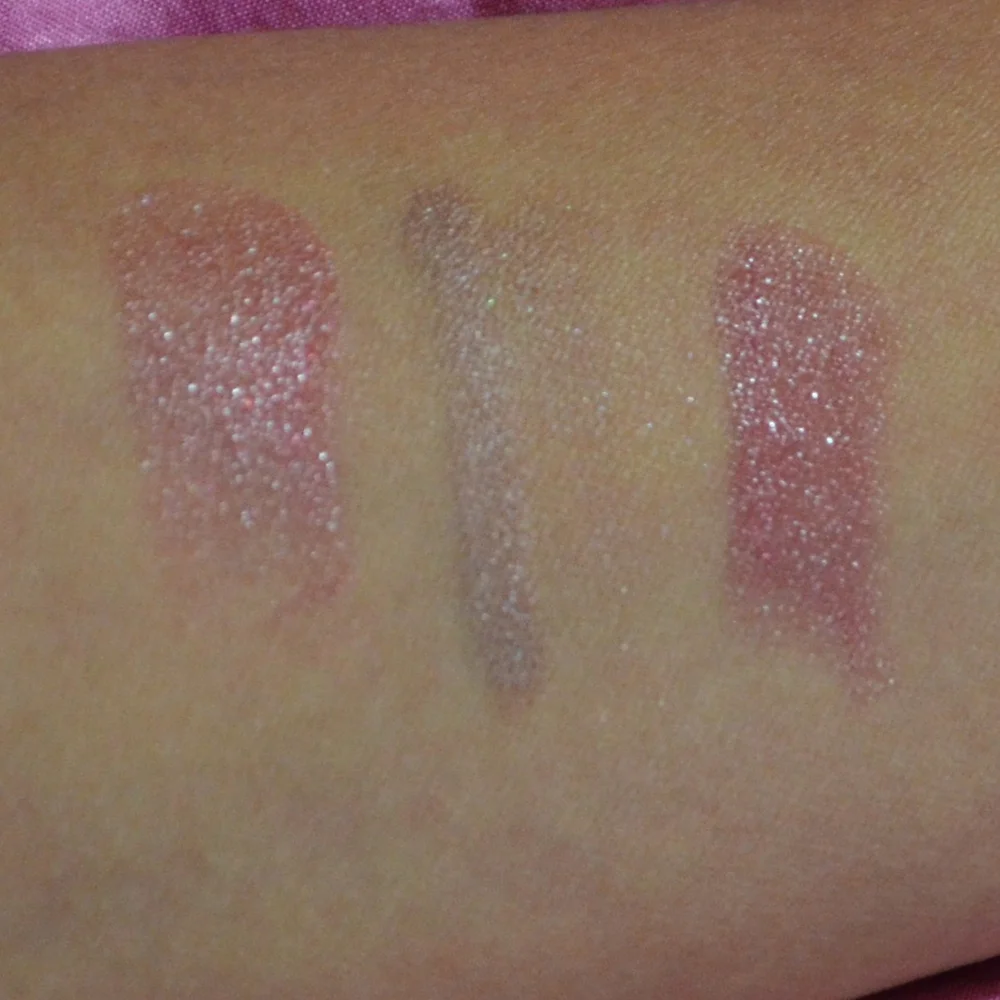
Storage conditions can affect the appearance of colour products, too. If you are comparing a cool pink highlighter with a golden champagne shade, look at them in consistent daylight rather than under a warm bathroom bulb. Joyce’s guide to highlighter colour choices can help when deciding which shades deserve a place in your everyday rotation.
Handle Creams And Liquids With Care
Cream blush, pot concealer, foundation, skin tint and liquid bronzer should be closed tightly after every use. Before touching a jar, wash and dry your hands thoroughly. Clean fingers are preferable to applying product after handling a phone, public transport rail or shopping trolley, all of which can transfer grime to the formula.
Pump packaging is often more hygienic than an open jar because it limits contact with air and skin. Wipe the nozzle regularly with a clean tissue, and do not let dried product block the opening. For droppers, keep the pipette from touching your face or hands. These small habits reduce contamination without wasting product.
Do not add water, facial mist or oil to revive a dried cream product unless the brand specifically recommends it. Water can destabilise preservatives and create a friendlier environment for microbial growth. If a liquid separates slightly, check the instructions before shaking; some formulas should be rolled gently rather than shaken vigorously.
Pay attention to changes in smell, colour, texture and performance. A foundation that suddenly pills, a concealer with a sour odour or a cream blush that develops a grainy surface may be past its best, even if the printed date has not arrived. When in doubt, especially with eye products, replacing it is safer than trying to rescue it.
Build A Cleaner Daily Routine
Brushes and sponges can undermine careful storage if they are damp when returned to a drawer. Wash brushes regularly with a suitable cleanser, rinse thoroughly and dry them horizontally or with the bristles angled downward. A wet brush stored in a closed cup can create a humid pocket that affects both the tool and nearby powders.
Makeup sponges require extra attention. Rinse them after use, squeeze out excess water and allow them to dry completely in an airy place. Do not seal a damp sponge inside a cosmetic bag. Replace it when it becomes stained, develops an odour or no longer returns to its original shape after washing.
Keep lids, caps and applicators clean, but avoid over-sanitising products in ways that damage their formula. Mascara wands should not be pumped repeatedly, as this pushes air into the tube and dries the product faster. Liquid eyeliner should be capped firmly, and pencil liners should be sharpened with a clean sharpener rather than a blunt blade.
A simple rotation system makes it easier to spot neglected products. Put newer purchases behind items already in use, and mark the opening month on products without a clear note. If you often shop at Mecca, Adore Beauty, Chemist Warehouse or smaller independent retailers, unpack new products promptly and store them rather than leaving them in a warm delivery box.
Understand Labels And Local Buying Rules
Australian cosmetic packaging should provide ingredient information, and products need to be used according to the maker’s directions. Cosmetic ingredients are regulated through the Australian Industrial Chemicals Introduction Scheme, or AICIS, while the Australian Competition and Consumer Commission oversees consumer protection and labelling expectations in relevant areas. This does not mean every cosmetic receives pre-market approval for shelf life, so the brand’s instructions remain important.
Some products sit outside ordinary cosmetic use. Therapeutic sunscreens, acne treatments and certain medicated items may be regulated by the Therapeutic Goods Administration and usually carry specific expiry information. Never treat a makeup product with sun-protection claims as interchangeable with a properly tested sunscreen. Australian summers make that distinction particularly important, whether you are commuting in Perth or spending the day outdoors on the Gold Coast.
Look for an expiry date, period-after-opening symbol or batch information where provided. The open-jar symbol, such as 12M, indicates the recommended period after opening under normal conditions. Heat and humidity may shorten practical usability, so the symbol is a guide rather than a guarantee that a product will remain perfect in a poorly ventilated bathroom.
If a product arrives separated, leaking or with damaged packaging, photograph it before use and contact the retailer. Australian consumer guarantees can apply when goods are faulty, unsafe or not as described. Keep receipts and order emails, particularly for luxury products purchased during a promotion. You can also browse the Bronzer Bunny sale when planning replacements, but a discount is not a reason to stockpile more products than you can open within their useful life.
Create A Humidity-Ready Makeup Setup
A small system is easier to maintain than a complicated collection of containers. Use a lidded drawer organiser for daily products and keep back-up items sealed in a cool cupboard. Store lipsticks upright where possible, keep palettes closed and separate opened products from unused stock. If a drawer becomes visibly damp or musty, move the collection immediately and clean the space before returning anything.
Useful items for a simple setup include:
- A lidded acrylic or washable plastic organiser
- Reusable labels for recording opening dates
- A clean spatula for hygienic jar use
- A ventilated pouch for products used outside the home
Your daily care routine can remain brief:
- Close every cap, lid and compact after use
- Dry brushes and sponges fully before storing them
- Wipe makeup packaging once a week
- Check smell, texture and colour before applying older products
Silica gel packets may help inside a storage box, but they are not a substitute for ventilation and should be kept away from children and pets. Avoid placing makeup in a household refrigerator unless the manufacturer recommends it. Cold temperatures can change textures, create condensation when products are removed and make some formulas uncomfortable to apply.
Review the collection every few months, especially before summer. The Bronzer Bunny archives offer a useful way to revisit older product impressions and comparisons while deciding what still earns space in your routine. Products that have been opened for a long time, smell different or perform inconsistently should be discarded rather than passed along to someone else.
Good storage protects more than your makeup budget. It preserves the finish you paid for, reduces avoidable waste and makes everyday application more hygienic. Start with the products you use most: move them out of the bathroom, clean the tools, record when they were opened and check each formula before your next application. A cooler, drier routine will help your collection perform more reliably through Australia’s humid seasons.
Brands featured on bronzer bunny
Luxury & Mid-Range Favorites
Joyce covered an extensive range of beauty brands, from prestige houses to accessible drugstore staples.

Recurring Series
Love It or Toss It • Products That Didn't Work for Me • Weekly Rotation • Saturday Recap • Lipstick Diaries • Makeup Challenge!
JOYCE'S SIGNATURE SERIES KEPT READERS HOOKED
Read the Series