
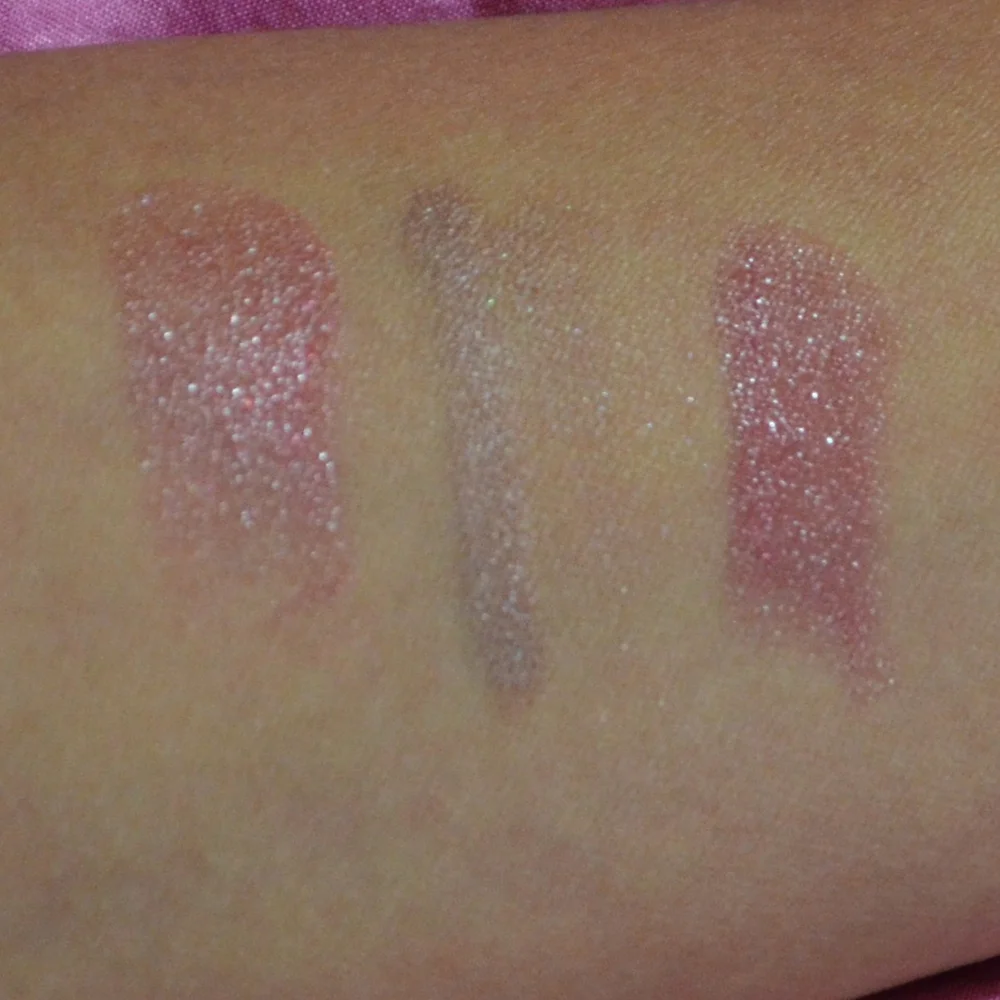
Luxury Beauty Blog
bunny
Honest makeup reviews, product comparisons, FOTD looks, and beauty hauls — from a beauty-obsessed friend who tells it like it is.
Explore the Blog
"I am a major beauty addict, but my biggest challenge is actually using the products I'm obsessing over! I shop frequently, but most days pass and not a speck of makeup goes on my face."
— Joyce, bronzer bunny
Meet Joyce
About bronzer bunny
A beauty journey, one swipe at a time
Joyce started bronzer bunny to share her honest take on luxury and mid-range beauty products. Based near Chicago, she's a self-described beauty addict who loves connecting with fellow enthusiasts. Her blog features in-depth reviews of brands like Chantecaille, Burberry, Tom Ford, Nars, Guerlain, and Tatcha — always with a warm, conversational voice.
Recurring series like Love It or Toss It, Products That Didn't Work for Me, Weekly Rotation, and Lipstick Diaries kept readers coming back for real talk about what's worth the splurge. From FOTD posts to shopping hauls along Chicago's Magnificent Mile, Joyce documented her makeup journey from November 2011 through early 2014.

Why a luxury foundation fails in humidity while a drugstore one lasts
I have learned that a higher price tag does not guarantee a longer-wearing complexion. On sticky Chicago days, one of my favorite luxury foundations can look smooth and expensive for an hour, then separate around my nose, fade across my cheeks, and collect in the lines beside my mouth. A much less expensive drugstore formula, meanwhile, can remain surprisingly even through heat, sweat, errands, and a full afternoon outside.
That contrast is frustrating because luxury foundation often delivers something genuinely special at first: a beautiful skin-like finish, refined shade range, elegant packaging, and a texture that blends effortlessly. The problem is that the qualities that make it feel comfortable and luminous may also make it less resistant to moisture, oil, and friction. Wear time depends on formulation and conditions, not prestige.
My comparisons are based on how makeup behaves in ordinary life rather than under perfect indoor lighting. I consider texture, coverage, oxidation, skincare compatibility, transfer, and how a product looks several hours after application. That approach is part of the perspective I share on the Bronzer Bunny about page, where beauty is treated as something to test honestly and use realistically.
Humidity changes the makeup equation
Humidity affects foundation before visible sweat appears. When the air contains a great deal of moisture, perspiration evaporates more slowly from the skin. That leaves a thin layer of water and salt on the surface, which can loosen the foundation film. Warm weather also increases oil production for many people, especially through the T-zone, so the base is dealing with both water and sebum at once.
A foundation that feels silky in dry or air-conditioned weather may contain more emollients, volatile silicones, or moisturizing ingredients than a true long-wear formula. Those ingredients can create a flexible, radiant finish, but they may not form the most durable film in high dew points. Add sunscreen, moisturizer, facial mist, and natural oils, and the layers underneath can become slippery.
The first signs are usually subtle. Coverage becomes thinner around the nose, pores look more visible, and redness begins to show through on the chin. Later, the foundation may break into patches rather than simply fading. This is why a base can appear perfect when leaving home but look melted after a commute, a humid lunch, or several hours in a warm office.
Luxury and drugstore formulas often prioritize different things
Many high-end foundations are designed to feel elegant during application. They may emphasize a soft-focus finish, flexible coverage, hydration, and a seamless texture that resembles real skin. These are valuable qualities, particularly for normal or dry skin, but they do not automatically translate into resistance against sweat and facial oil.
Drugstore brands frequently compete by highlighting practical performance: 16-hour wear, transfer resistance, matte control, or all-day coverage. Some formulas use film-forming polymers that help pigment stay anchored as the skin moves. Others contain more absorbent powders or create a slightly drier film once they set. The result may feel less luxurious in the first minute but hold together better after six hours.
This is not a universal rule. There are excellent high-end long-wear foundations and disappointing inexpensive ones. Still, price often reflects packaging, research, sensory experience, brand positioning, and shade development as much as it reflects staying power. A foundation can be beautifully formulated and still be the wrong choice for hot, damp weather.
The finish also matters. A dewy foundation generally contains ingredients that preserve shine and flexibility, while a soft-matte or natural-matte foundation is more likely to control surface oil. Neither finish is inherently superior. The best choice depends on whether the skin needs comfort and glow or stability under heat and perspiration.
My skin prep can make or break the wear test
When a foundation melts, it is tempting to blame the product immediately. Sometimes the bigger issue is the skincare underneath. A rich moisturizer, facial oil, gripping primer, and dewy sunscreen can each work well individually, yet create too much slip when layered together. In humidity, that excess movement becomes obvious.
I get better results when I keep the morning routine lightweight. I apply hydrating skincare where I need it, allow sunscreen to settle, and avoid adding a thick primer over the entire face unless the foundation truly needs it. If my cheeks are dry, I can use a little extra moisturizer there while keeping the center of the face less emollient.
Sunscreen deserves special attention because it can change the finish and wear of any base. A creamy or luminous SPF may make a foundation look fresh initially but encourage separation around the nose and forehead. That does not mean skipping sun protection. It means allowing the sunscreen to form an even film and choosing complexion products that cooperate with its texture.
Application tools matter as well. A damp sponge can sheer out coverage and add water to an already humid environment. I often prefer a thin layer applied with a brush, followed by a quick press with a clean sponge only where the finish needs refining. Building less product is also important; thick layers are more likely to crack, crease, or slide when the face becomes warm.
The finish at application is not the finish at midday
A foundation can be gorgeous for the first two hours and still fail as an all-day product. High-end formulas often make a strong first impression because they blend quickly and leave the skin looking polished. In humidity, however, a radiant finish can gradually turn greasy, while a flexible formula can lose its grip as facial movement and perspiration increase.
My drugstore foundation may look slightly more matte at the beginning, but that initial restraint can work in its favor. As oil develops, the finish moves toward natural rather than becoming excessively shiny. The coverage fades gradually instead of separating in distinct patches. It may not look as perfected by hour eight, but it still resembles a complexion rather than a foundation breakdown.
Oxidation can complicate the comparison. Heat and oil sometimes make a shade appear deeper or more orange, particularly when the formula is already exposed to air and sebum. A foundation that matches beautifully indoors may look different outside. I judge the shade after it settles, then again later in the day, because color stability is part of performance.
Transfer is another useful clue. If a tissue removes a large amount of pigment from the sides of the nose or upper lip, the base may not have set fully. A light dusting of powder can help, but powder cannot completely repair a formula that remains too emollient for the weather. The goal is to support the foundation’s strengths rather than force it into a finish it was never designed to provide.
A practical comparison of humid-weather performance
The following pattern reflects what I often see when comparing a luminous luxury base with a longer-wearing drugstore alternative. Individual results will vary with skin type, primer, sunscreen, application amount, and the exact temperature. Still, the categories explain why the less expensive foundation can win a hot-weather test.
| Performance factor | Luxury foundation that melts | Drugstore foundation that stays put |
|---|---|---|
| First impression | Silky, radiant, instantly smooth | Slightly more matte or structured |
| Humidity response | Becomes shiny and separates around the nose | Controls oil and fades more evenly |
| Coverage after six hours | Patchy in high-movement areas | Thinner but generally consistent |
| Skin feel | Comfortable and flexible | More set, sometimes less cushiony |
| Transfer resistance | Moderate to low | Moderate to high |
| Best skin conditions | Normal, dry, or air-conditioned environments | Combination, oily, warm, or humid conditions |
| Main trade-off | Beautiful finish with shorter wear | Better longevity with a less luxurious feel |
The table also shows why “better” is too broad a label. If I am attending an indoor event with reliable air conditioning, I may prefer the luxury formula because its finish is more flattering up close. For a summer festival, outdoor lunch, or long commute, I would rather have the drugstore base that keeps its structure.
Coverage level influences the outcome too. Full-coverage formulas can look impressive at the start but show more obvious wear when they break apart. A medium-coverage product may appear less perfected initially while aging more gracefully. In humid conditions, a thin, even film is often more attractive than a heavier layer that begins to move.
How I adjust the routine without losing the finish
I do not want every summer foundation to look flat or overly matte. A controlled glow can still look beautiful in warm weather. I usually focus long-wear techniques only on areas that need them: the nose, inner cheeks, forehead, and chin. Keeping the perimeter of the face more natural helps prevent the whole complexion from looking dry or heavily powdered.
A small amount of powder pressed into the skin is more effective than sweeping on a thick layer. I use a puff or compact brush to set the center of the face, then leave the high points alone if the foundation already has a healthy sheen. Blotting before adding more product is essential. Applying fresh foundation over oil usually creates texture instead of restoring coverage.
Setting spray can improve the connection between powder and foundation, but it is not a magic waterproof seal. Some sprays add a flexible film, while others mainly reduce a powdery appearance. I mist lightly and let it dry without touching the face. If the formula is fundamentally incompatible with my skin in extreme humidity, no spray can turn it into a reliable sweat-proof base.
For touch-ups, I prefer a blotting paper or a clean tissue, followed by a small amount of concealer only where needed. This keeps the complexion from becoming thick. The goal is to refresh the center of the face while preserving the foundation that still looks good elsewhere.
The right foundation depends on the day
A product can be worth its price even if it is not my best choice for every climate. I may value a luxury foundation for its undertone, natural finish, comfortable texture, or ability to make dry skin look healthy. Those benefits have real value, especially when the conditions are mild and the formula performs as intended.
The drugstore winner earns its place by solving a different problem. It may have a less elegant texture, a more limited shade range, or a finish that requires careful skin preparation. Yet if it stays even through heat and humidity, it becomes the foundation I reach for when reliability matters more than the initial application experience.
I keep a record of these distinctions because memory tends to favor the first few minutes after makeup is applied. Looking back through my beauty archive helps me compare products across seasons and remember which formulas actually worked outside the bathroom mirror. A foundation that looked beautiful in a winter review may need a completely different evaluation in July.
Ways to make any base last longer in damp weather
- Use lightweight skincare and give sunscreen enough time to settle before applying makeup.
- Apply a thin, even layer of foundation instead of building full coverage everywhere.
- Set only oil-prone areas with finely milled powder, concentrating on the nose, forehead, and chin.
- Blot sweat and oil before touching up; do not layer fresh makeup directly over a shiny surface.
- Test the foundation for several hours outdoors before relying on it for an important event.
What I look for beyond the price tag
The most useful question is not whether luxury or drugstore foundation is universally better. I want to know what each formula promises, how it behaves on my skin, and whether that behavior fits the conditions in which I will wear it. A radiant luxury base may be ideal for a cool day, while a practical drugstore formula may be the smarter choice when the dew point rises.
I also consider whether the foundation fails gracefully. Gradual fading, a little extra shine, and reduced coverage are manageable. Severe separation, clinging around dry patches, and pigment transferring onto clothing are more disruptive. Longevity is therefore about the quality of wear, not simply the number of hours printed on the package.
Humidity has made me more realistic about makeup performance. The expensive bottle is not automatically a bad purchase, and the inexpensive one is not automatically a miracle. They are tools for different circumstances. When I match the formula to the forecast, simplify my skin prep, and judge the finish later in the day, my complexion looks more intentional and my beauty budget works harder.
Before your next warm-weather makeup day, check the humidity, examine the finish you actually want, and test your foundation beyond the first hour. Keep the formula that remains comfortable, even, and believable on your skin, whether it comes from a luxury counter or a drugstore shelf.
Brands featured on bronzer bunny
Luxury & Mid-Range Favorites
Joyce covered an extensive range of beauty brands, from prestige houses to accessible drugstore staples.
Recurring Series
Love It or Toss It • Products That Didn't Work for Me • Weekly Rotation • Saturday Recap • Lipstick Diaries • Makeup Challenge!
JOYCE'S SIGNATURE SERIES KEPT READERS HOOKED
Read the Series