Luxury Beauty Blog
bunny
Honest makeup reviews, product comparisons, FOTD looks, and beauty hauls — from a beauty-obsessed friend who tells it like it is.
Explore the Blog
"I am a major beauty addict, but my biggest challenge is actually using the products I'm obsessing over! I shop frequently, but most days pass and not a speck of makeup goes on my face."
— Joyce, bronzer bunny
Meet Joyce
About bronzer bunny
A beauty journey, one swipe at a time
Joyce started bronzer bunny to share her honest take on luxury and mid-range beauty products. Based near Chicago, she's a self-described beauty addict who loves connecting with fellow enthusiasts. Her blog features in-depth reviews of brands like Chantecaille, Burberry, Tom Ford, Nars, Guerlain, and Tatcha — always with a warm, conversational voice.
Recurring series like Love It or Toss It, Products That Didn't Work for Me, Weekly Rotation, and Lipstick Diaries kept readers coming back for real talk about what's worth the splurge. From FOTD posts to shopping hauls along Chicago's Magnificent Mile, Joyce documented her makeup journey from November 2011 through early 2014.

Why I use a blue toner for brassy highlights and how to pick the right one
Brassy highlights can change quietly. A colour that looked soft and beige in the salon may turn orange, coppery or overly warm after a few washes, especially when sunlight, heat styling and mineral-heavy water get involved. I have found that the right blue toner can bring those highlights back towards a cleaner, cooler balance without making the rest of my hair look grey or flat.
The important detail is choosing the colour that corrects your particular warmth. Blue and purple toning products are often grouped together, but they do different jobs. Blue is generally better for orange tones, while purple is designed to soften yellow. The formula, strength, porosity of your hair and the way you apply it matter just as much as the colour on the bottle.
Why highlights turn brassy
Lightening removes some of the natural pigment inside the hair. Depending on how dark the starting shade was and how far it was lifted, the exposed undertone can be red, orange, gold or yellow. A medium brunette lifted to a lighter brown or dark blonde often reveals orange warmth, while very pale blonde hair is more likely to show yellow. That is why a purple shampoo can seem ineffective when the real issue is coppery brassiness.
Colour-treated hair also becomes more porous. The cuticle can absorb and release pigment unevenly, so the ends may look cooler while the area near the roots stays warm. Sun exposure speeds up fading, and I notice this particularly after time outdoors during an Australian summer. A long beach day in Sydney, Brisbane or Perth can leave highlighted hair feeling drier and looking warmer within a surprisingly short period.
Water and styling habits can contribute as well. Minerals, chlorine, frequent washing and hot tools gradually strip away the cooler tones added at the salon. In some homes, the water can leave hair feeling coated, which affects how evenly a toner deposits. A clarifying wash may help occasionally, but using one too often can make bleached hair rough and thirsty.
Blue versus purple toning products
Blue sits opposite orange on the colour wheel, so blue pigment helps visually neutralise orange and copper tones. Purple sits opposite yellow, making it more suitable for pale yellow blonde, creamy blonde and very light grey hair. A blue-violet product can be useful when the colour sits somewhere between the two, but it may be too strong for hair that is already cool or very light.
I use a blue toner when my highlights look distinctly warm rather than simply sunny. The result I want is a softer beige, neutral light brown or balanced dark blonde, not an icy silver finish. Blue pigment can make the hair look cleaner and less orange, but it cannot make an uneven lift lighter. If the underlying colour is very dark copper, a toning mask will only refine the appearance; it will not replace professional lightening.
The difference is easy to see in a strand test. I apply a small amount to a hidden section, leave it for a short period and check the colour in natural light. Bathroom lighting can make blonde hair appear cooler or brighter than it really is. If a product makes the test piece smoky, blue-grey or khaki, it is too concentrated, too cool or being left on for too long.
How I choose the right formula
Blue toners come in several formats, including shampoo, conditioner, gloss, mask and semi-permanent colour. A blue shampoo is convenient for maintenance, but shampoos can be drying if used frequently on highlighted hair. A conditioning mask is usually more comfortable for porous ends and gives me better control because I can spread it through damp hair without the same amount of cleansing.
A gloss or demi-permanent toner can give a more polished, salon-like result, but it deserves more care. These formulas may contain stronger pigments and can cling to porous sections. I look for clear instructions, a recommended processing time and an explanation of whether the product is intended for natural hair, colour-treated hair or pre-lightened hair. “Ash” on the label can indicate blue, green or violet undertones, so the name alone does not tell me exactly how it will behave.
I also consider the condition of my hair. If the lengths feel brittle, I prefer a nourishing toning mask with conditioning ingredients rather than a highly cleansing purple or blue shampoo. My hair needs slip after highlighting, and I am more likely to keep using a product that leaves it soft. This is where a beauty purchase becomes similar to skincare: performance matters, but comfort, consistency and how the product fits into a routine determine whether it earns a permanent place in the bathroom.
A helpful way to assess that routine is to think about what else your hair and skin are experiencing. When I tested a complete K-beauty routine, I paid close attention to changes over several days rather than judging the first application; the same patient approach works for a new toning product. My notes from a week of K-beauty makeup experiment reflect why I prefer gradual, observable changes over dramatic first impressions.
Application habits that prevent over-toning
I begin with clean, towel-dried hair unless the instructions say otherwise. Hair that is dripping wet can dilute the product, while very dry hair may absorb pigment quickly and unevenly. I divide my hair into sections and start where the brassiness is strongest, usually through the mid-lengths rather than directly at the scalp. The roots often need less correction than the porous ends.
Gloves are worthwhile, even with a relatively mild blue conditioner. Pigment can settle around the nails, hairline and hands, and pale bathroom surfaces can show every mark. I comb the product through gently so it is distributed evenly, then leave it on for the shortest recommended time the first time. I would rather repeat a short treatment later than spend a week trying to soften an over-toned blue patch.
After rinsing, I use a moisturising conditioner or mask if the formula does not already provide enough softness. I avoid judging the colour while the hair is wet because wet hair looks darker and more concentrated. Once it is dry, I check it near a window and under the lighting I normally use before deciding whether the next application should be longer, shorter or less frequent.
Most people do not need a blue toner every wash. Once a week may be enough for stubborn orange tones, while occasional use can maintain a salon colour that fades gently. If the hair begins to look dull, muddy or blue at the ends, I stop toning and return to regular conditioning. A clarifying wash can help remove excess pigment, but it should be followed by a rich treatment, particularly after swimming or extended sun exposure.
Picking a product in the Australian market
Australian shelves include salon brands, pharmacy options and accessible supermarket products, so price is not a reliable measure of toning strength. I check the pigment description, ingredient list, size and directions before paying a premium. Products marketed as “silver” or “blonde” may be strongly violet, while one labelled “cool brown” may contain enough blue to affect lighter highlights quickly.
The local climate affects my buying decision. In Melbourne, changing weather can mean frequent washing after gym sessions or commuting, while Queensland heat and humidity can encourage frizz control and more styling. In Adelaide and Canberra, dry conditions can make bleached ends feel especially fragile. I prefer a gentler conditioning formula when my hair is already stressed, even if a stronger product promises faster correction.
Swimming is another practical consideration for Australians. Chlorinated pools and salt water can leave highlights dry and alter the way toner deposits. I wet my hair with fresh water before swimming, use a leave-in conditioner and rinse promptly afterwards. A clarifying treatment can be useful when there is buildup, but I do not schedule it immediately before a strong toner because freshly clarified, porous hair may grab pigment unevenly.
Shopping customs matter too. I like to compare the full-size price with the cost per use, read Australian customer reviews and check whether the retailer offers returns for unopened products. I also look at delivery and storage instructions during hot weather, particularly for masks and glosses. The best product is one I can replace easily in Australia and use consistently, rather than an impressive overseas formula that is expensive or difficult to find again.
Signs you need a different approach
If a blue toner barely changes the colour, the brassiness may be yellow rather than orange, or the product may be too diluted. A purple toner is more appropriate for pale yellow highlights. If the hair looks greenish after toning, the formula may contain too much blue for the underlying shade, especially if the blonde is very light or if the hair has absorbed pigment unevenly.
If the highlights are orange with darker bands, home toning has limits. The issue may be an uneven lift that needs a colourist rather than another layer of pigment. Applying repeated toner to compensate can make the ends dark and murky while leaving the brighter areas unchanged. I would rather book a consultation than keep experimenting on fragile hair.
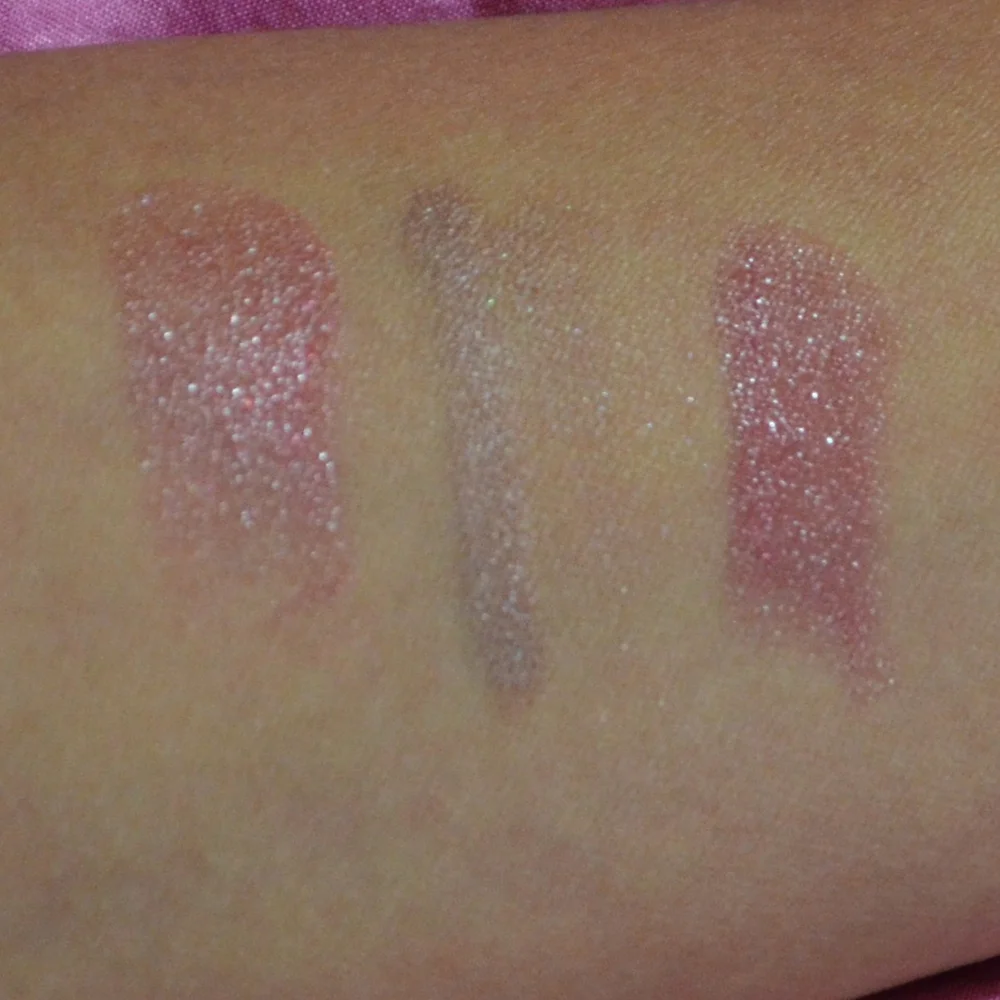
The same restraint applies when choosing makeup around freshly cooled hair. A cooler highlight does not require an entirely new beauty wardrobe, but subtle shifts in contrast can change what feels harmonious. I enjoy comparing undertones in small details, much as I did when I tested nude liner swatches against fair skin. Looking at undertones instead of relying on product names helps me avoid shades that seem right in the packaging but turn unexpectedly warm or grey.
A professional opinion is sensible if the scalp is irritated, the hair is breaking, or the colour has become patchy after bleaching. Toner should improve the appearance of highlights, not hide damage or create another problem. I take photos in daylight before and after each treatment so I can see whether the product is genuinely correcting brassiness or simply making the hair look darker.
Blue toner has become one of my most useful maintenance products because it addresses the kind of warmth my highlights actually develop. I use it sparingly, focus on the orange sections, and give the formula enough time to show what it can do before increasing the frequency. For yellow blonde, I reach for purple; for damaged hair, I prioritise conditioning; for uneven or intense brassiness, I seek professional colour advice.
If your highlights have started leaning copper, begin with a strand test and a short application. Check whether your hair needs blue, violet or a blend, then choose a formula that suits its condition and your washing routine. Keep a nourishing mask nearby, protect your hair from Australian sun, chlorine and salt water, and treat toning as careful maintenance rather than a one-step colour rescue.
Brands featured on bronzer bunny
Luxury & Mid-Range Favorites
Joyce covered an extensive range of beauty brands, from prestige houses to accessible drugstore staples.
Recurring Series
Love It or Toss It • Products That Didn't Work for Me • Weekly Rotation • Saturday Recap • Lipstick Diaries • Makeup Challenge!
JOYCE'S SIGNATURE SERIES KEPT READERS HOOKED
Read the Series