
Luxury Beauty Blog
bunny
Honest makeup reviews, product comparisons, FOTD looks, and beauty hauls — from a beauty-obsessed friend who tells it like it is.
Explore the Blog
"I am a major beauty addict, but my biggest challenge is actually using the products I'm obsessing over! I shop frequently, but most days pass and not a speck of makeup goes on my face."
— Joyce, bronzer bunny
Meet Joyce
About bronzer bunny
A beauty journey, one swipe at a time
Joyce started bronzer bunny to share her honest take on luxury and mid-range beauty products. Based near Chicago, she's a self-described beauty addict who loves connecting with fellow enthusiasts. Her blog features in-depth reviews of brands like Chantecaille, Burberry, Tom Ford, Nars, Guerlain, and Tatcha — always with a warm, conversational voice.
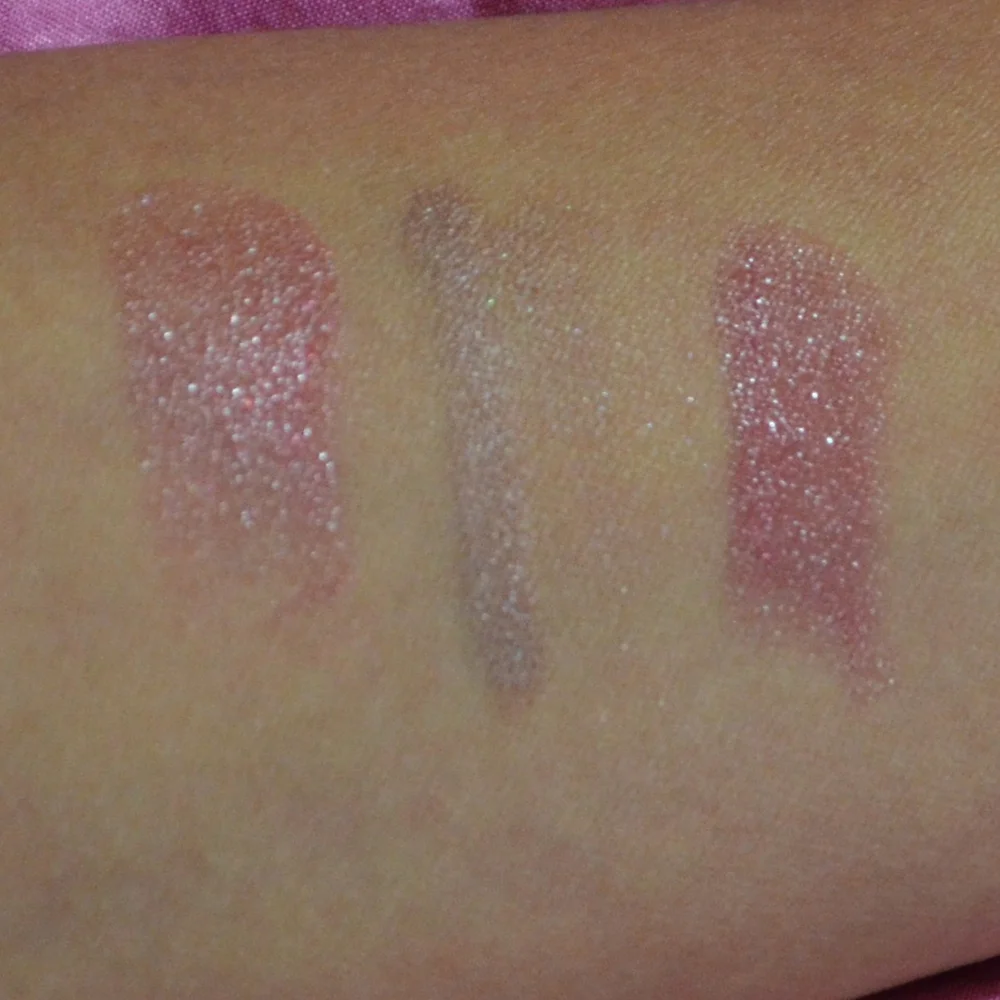
Recurring series like Love It or Toss It, Products That Didn't Work for Me, Weekly Rotation, and Lipstick Diaries kept readers coming back for real talk about what's worth the splurge. From FOTD posts to shopping hauls along Chicago's Magnificent Mile, Joyce documented her makeup journey from November 2011 through early 2014.

Why I Switched to a pH-Balanced Cleanser for Less Irritation
For years, I treated a tight, tingling face after exfoliating as proof that a product was working. If my skin felt especially clean after using an acid toner, enzyme powder or exfoliating mask, I assumed the temporary discomfort was part of the process. In reality, that prickly feeling often meant I had removed too much and was asking my skincare routine to recover from damage I had helped create.
My routine changed when I started using a gentle, pH-balanced cleanser around exfoliation days. It did not create the dramatic squeaky-clean sensation I once liked, but my cheeks became calmer, makeup sat more evenly and I experienced fewer dry patches around my nose and mouth. For anyone dealing with redness, tightness or sensitivity after exfoliating, the cleanser step may deserve more attention than it usually receives.
What Skin pH Has To Do With Irritation
Healthy skin has a naturally slightly acidic surface, often referred to as the acid mantle. Its pH generally sits somewhere around 4.5 to 5.5, although it can vary according to age, skin condition, climate and the products being used. This mildly acidic environment supports the barrier, helps regulate moisture and makes it less comfortable for some unwanted microbes to thrive.
A cleanser with a very high pH can temporarily disturb that balance. Traditional soap-based products are often alkaline, and some foaming formulas can leave skin feeling tight because they remove a large amount of oil along with sweat, sunscreen and makeup. That does not mean every foaming cleanser is harsh or every low-foam formula is gentle. Surfactants, fragrance, essential oils and the overall formula matter as much as the number printed on the label.
The issue became clearer when I combined a strong cleanser with exfoliating ingredients. AHAs such as glycolic and lactic acid loosen dead skin cells, while BHAs such as salicylic acid travel into oily pores. Retinoids are not technically exfoliating acids, but they can produce similar dryness and sensitivity during adjustment. Using any of these after a stripping cleanse left my skin with less tolerance for the next step.
“pH-balanced” is also not a magic guarantee. Some products use the phrase as marketing language without giving a clear range, so I look for a cleanser described as mildly acidic, barrier-supportive or suitable for sensitive skin. I also pay attention to how my face feels ten minutes after rinsing, rather than judging the formula by the first foamy splash.
The Signs My Old Cleanser Was Too Much
My first warning sign was not dramatic peeling. It was a persistent tightness across my forehead and cheeks that appeared after cleansing and lasted until I applied moisturiser. My skin looked polished immediately after washing, but by lunchtime I could see dry texture beneath foundation. On exfoliation nights, the tight feeling became a mild burn, especially around the nostrils.
I also noticed that my skin became unpredictable. Some mornings it looked oily through the T-zone, while my cheeks felt papery and uncomfortable. This can happen when cleansing removes too much surface oil and the skin becomes dehydrated, encouraging a heavier or more noticeable oil response later. It is easy to mistake that combination for skin that needs stronger cleansing, creating a cycle of washing, stripping and compensating.
The change was especially noticeable when I was wearing Australian sunscreen every day. Whether I was commuting around Melbourne, spending a bright afternoon in Brisbane or simply walking to the shops, broad-spectrum SPF was essential. Removing sunscreen properly matters, but “properly” does not have to mean using the most aggressive cleanser available. A gentle first cleanse or micellar water followed by a mild face wash was enough for most days.
I still use a more thorough double cleanse when I have long-wearing foundation or water-resistant makeup. The difference is that I no longer scrub until my skin feels completely bare. Clean skin should feel comfortable, flexible and free of residue, not tight enough to make me reach for moisturiser immediately.
How I Chose A Better Cleanser
I began by looking for a short, uncomplicated ingredient list. Glycerin, panthenol, beta-glucan, allantoin and ceramides are ingredients I appreciate in a cleanser because they support a comfortable rinse without making unrealistic promises about repairing the skin during a brief wash. Cream, gel and low-foam textures can all work; the best option depends on how much makeup, sunscreen and oil needs removing.
I avoided formulas with a strong fragrance and reduced my use of cleansers containing exfoliating acids. An acid cleanser may be useful for someone with congested, resilient skin, but I did not need additional exfoliation in the same routine as my leave-on glycolic serum. Products containing menthol or a strong cooling sensation were also out. The fresh feeling they create can disguise irritation rather than prevent it.
The cleanser I settled on had a soft gel-cream texture and a low, fine lather. It removed daily sunscreen and light makeup without leaving a film, yet my skin did not feel squeaky afterwards. I used lukewarm water, massaged it over my face for roughly thirty seconds and patted dry with a clean towel. Hot water made a bigger difference than I expected, particularly during winter when indoor heating and cold wind were already drying my skin.
For readers comparing products in Australia, there are plenty of reasonable options at Priceline, Chemist Warehouse, Adore Beauty and department-store counters. I do not think a higher price automatically means a better pH or gentler formula. Luxury packaging can be lovely, but a mid-range or pharmacy cleanser may perform just as well when the surfactants and supporting ingredients are thoughtfully chosen.
| Cleanser style | How it may feel after washing | Best fit around exfoliation | What to watch for |
|---|---|---|---|
| Cream or lotion cleanser | Soft, comfortable and low-foam | Dry, sensitive or easily irritated skin | May need a second cleanse after heavy makeup |
| Gentle gel cleanser | Fresh but not tight | Combination and normal skin | Avoid formulas that rely on strong fragrance or aggressive foam |
| Foaming cleanser | Very clean and lightweight | Oilier skin with a mild formula | Tightness can signal over-cleansing |
| Exfoliating cleanser | Smooth or polished immediately | Occasional use for resilient skin | Can be too much alongside acids or retinoids |
| Balm or oil cleanser | Nourishing and effective on makeup | First step in a double cleanse | Follow with a gentle water-based cleanser if needed |
How I Use It Around Exfoliation
On an exfoliating evening, I first remove makeup and sunscreen without rubbing hard. If I am wearing a full base, I use a cleansing balm or micellar water and then rinse. I follow with the pH-balanced cleanser, keeping the water lukewarm and avoiding brushes, face cloths and other tools that add friction.
I apply my exfoliant only after my skin is clean and fully dry. Damp skin can increase the spread and intensity of some active products, which is not always helpful for someone prone to sensitivity. I use less product than I once did, and I wait a little longer between exfoliation nights if my skin feels warm or tight. A smooth result is not worth forcing through stinging.
Afterwards, I keep the rest of the routine simple: a hydrating serum if needed, a plain moisturiser and no additional active ingredients. I do not combine an exfoliating acid with a scrub, strong vitamin C product or retinoid in the same evening. This approach has been particularly useful during dry Australian weather, when air conditioning, wind and sun exposure can make a normal routine feel harsher.
The morning after exfoliating, sunscreen is non-negotiable. I use a broad-spectrum SPF and reapply when I am outside for an extended period, especially during summer or beach days. If my skin is already irritated, I skip exfoliation rather than trying to correct roughness with another active. A cleanser cannot undo overuse, but it can stop the cleansing step from adding to the problem.
What Improved After The Switch
The first improvement was comfort. My face no longer felt stretched after rinsing, and the usual sting from applying moisturiser became much less frequent. Redness around my nose did not disappear overnight, but it was less persistent. I also found that my skin recovered faster if I accidentally overdid an active product.
My makeup results improved too. Dehydrated flakes were less visible around the mouth and on the upper cheeks, so I needed less foundation to create an even finish. This was not because the cleanser transformed my pores or performed a skincare miracle. It simply allowed my barrier to remain in better condition, giving every product that followed a more stable surface.
There are practical financial benefits as well. Once irritation settled, I stopped buying extra soothing products in an attempt to rescue my skin. I still enjoy a luxurious cleanser when the texture and experience feel special, but I judge whether it earns its price by how consistently I can use it. For readers who like to compare offers before restocking, I keep an eye on current beauty sale selections, while remembering that the cheapest product is only a bargain if it suits your skin.
The results are not identical every day. Hormonal changes, weather, stress, medication and excessive sun exposure can all affect sensitivity. A pH-balanced cleanser is one supportive adjustment, not a treatment for eczema, rosacea or persistent dermatitis. Burning, swelling, cracking or ongoing redness deserves advice from a GP or qualified dermatologist rather than more experimentation with skincare.
My experience has made me less interested in dramatic sensations and more interested in repeatable performance. A cleanser should remove what I need removed while leaving my face calm enough for the rest of the routine. That is a much more useful standard than foam, fragrance or the temporary feeling of being exceptionally clean.
When testing a new product, I recommend changing one part of the routine at a time and using it for several days before adding another active. Patch testing can help, although it cannot predict every facial reaction. I have also recorded my general approach and product-related disclosures in my product testing disclaimer, because personal results should never be treated as universal skincare advice.
If exfoliating regularly leaves your skin tight, flushed or unusually reactive, consider making your cleanser gentler before adding another corrective product. Choose a mild, fragrance-free or low-fragrance formula, use lukewarm water, reduce active nights and give your barrier time to settle. A quieter routine may feel less exciting, but it can make your skincare more comfortable, your makeup smoother and your results far more reliable.
Brands featured on bronzer bunny
Luxury & Mid-Range Favorites
Joyce covered an extensive range of beauty brands, from prestige houses to accessible drugstore staples.

Recurring Series
Love It or Toss It • Products That Didn't Work for Me • Weekly Rotation • Saturday Recap • Lipstick Diaries • Makeup Challenge!
JOYCE'S SIGNATURE SERIES KEPT READERS HOOKED
Read the Series