
Luxury Beauty Blog
bunny
Honest makeup reviews, product comparisons, FOTD looks, and beauty hauls — from a beauty-obsessed friend who tells it like it is.
Explore the Blog
"I am a major beauty addict, but my biggest challenge is actually using the products I'm obsessing over! I shop frequently, but most days pass and not a speck of makeup goes on my face."
— Joyce, bronzer bunny
Meet Joyce
About bronzer bunny
A beauty journey, one swipe at a time
Joyce started bronzer bunny to share her honest take on luxury and mid-range beauty products. Based near Chicago, she's a self-described beauty addict who loves connecting with fellow enthusiasts. Her blog features in-depth reviews of brands like Chantecaille, Burberry, Tom Ford, Nars, Guerlain, and Tatcha — always with a warm, conversational voice.
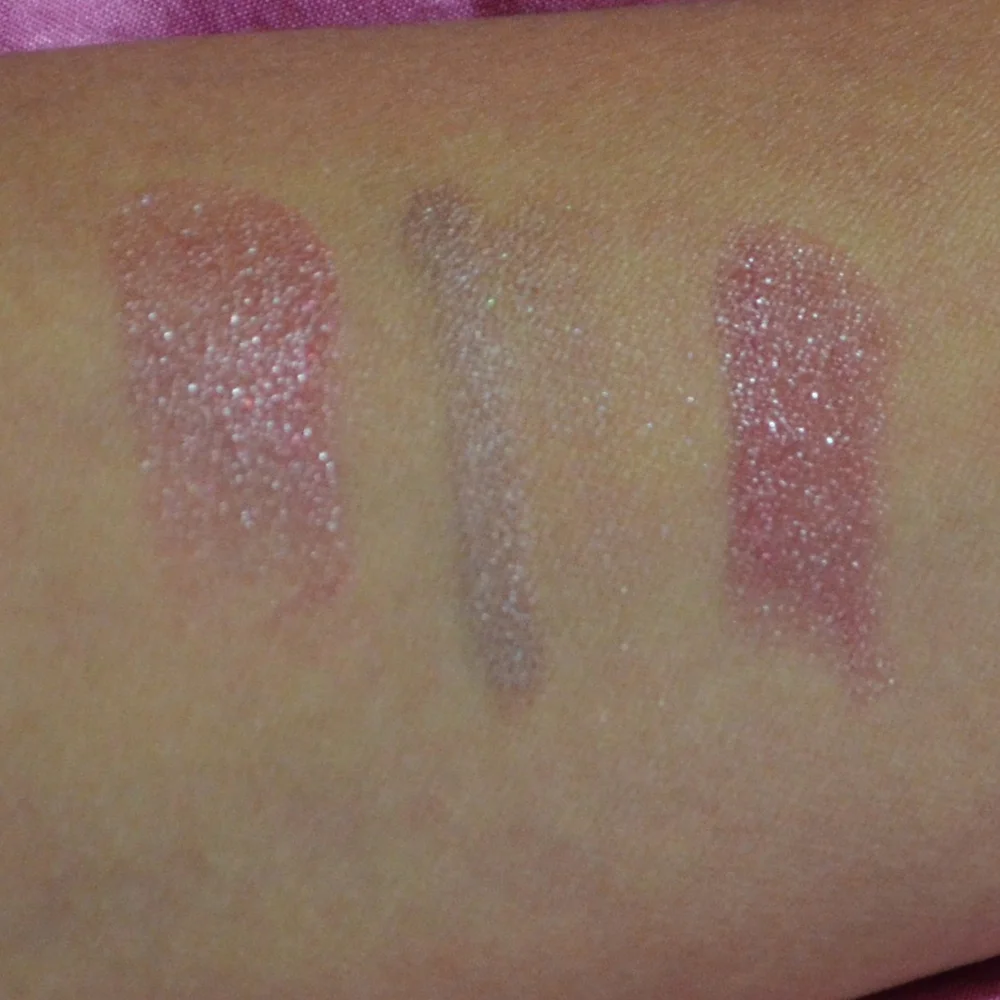
Recurring series like Love It or Toss It, Products That Didn't Work for Me, Weekly Rotation, and Lipstick Diaries kept readers coming back for real talk about what's worth the splurge. From FOTD posts to shopping hauls along Chicago's Magnificent Mile, Joyce documented her makeup journey from November 2011 through early 2014.

Why I Switched from Foundation to Tinted SPF for Daily Wear
For years, my workday makeup started with a full-coverage foundation, followed by concealer, powder and a separate sunscreen. It looked polished in photographs, but the routine took almost twenty minutes every morning. More importantly, my skin often felt less comfortable by lunchtime, especially around my nose and chin.
The turning point came when I began prioritising how my makeup behaved during an ordinary day. I wanted something that could soften the look of redness without creating a heavy mask, provide reliable sun protection and survive my commute without sliding into every line on my face.
Tinted SPF gave me a middle ground. It offered the lightweight feel of a sunscreen with enough pigment to even out my complexion and reduce the amount of additional makeup I needed. The result was not always as concealing as foundation, but it looked fresher and felt more like my own skin.
This does not mean tinted sunscreen replaces every type of foundation. High-coverage formulas still have a place for events, photographs and nights when I want more dramatic colour correction. For regular daytime wear, however, it has become my default, and the difference in comfort has been substantial.
The Routine That Started Feeling Heavy
My old routine looked effortless only because I had become very good at applying it. I would layer primer, foundation and powder around areas that needed extra coverage, then add more product whenever a blotchy patch appeared. By the afternoon, my skin could feel tight, oily and strangely dehydrated at the same time.
When I paid closer attention to wear time, foundation was often the first thing to fail. It gathered around my nose, became patchy over dry areas and shifted whenever I moved from air-conditioned offices into warmer weather. It also made perspiration less obvious, which created another layer I did not enjoy.
That is why I keep my testing disclaimer nearby when trying new makeup. Skin can behave differently from one day to the next, so I never treat a single wear test as a permanent verdict. Tinted SPF may cause irritation or breakouts for some people, just as foundation can, and patch testing remains essential.
What Tinted SPF Actually Does
A tinted SPF combines sunscreen ingredients with pigments that create a more even-looking base. Depending on the formula, those pigments may be iron oxides, zinc oxide, titanium dioxide or a combination of mineral filters and colourants. The tint helps soften the appearance of redness, mild discolouration and shadows without providing the dense opacity of a traditional foundation.
The primary advantage is combining two steps in one. Instead of applying sunscreen and then worrying that foundation will weaken its protection, I can wear a broad-spectrum SPF 50+ product as my base. For daily use, this makes regular reapplication much easier, especially when I can refresh the tint over my existing makeup.
I also appreciate that tinted SPF usually sits closer to a tinted moisturiser than to a heavy base. It should still be applied generously enough to receive the labelled level of sun protection, but the finish can be sheer, satin or softly dewy. Skin-care benefits vary by formula, so hydration claims should always be considered alongside the ingredients and texture.
Coverage remains the biggest limitation. Tinted SPF can even out tone and reduce the look of redness, but it is unlikely to conceal strong acne marks, deep pigmentation or a dramatic difference between skin tones. I still use a small amount of concealer where I need it rather than forcing the sunscreen to perform beyond its purpose.
Why Australian Weather Makes It Practical
Australian conditions make daily sun protection especially important. The UV index in Sydney or Melbourne can move from moderate to extreme depending on the season, and many Australian beauty shoppers now expect SPF 50+ products to be a practical part of everyday skincare rather than something reserved for beach days.
Heat and humidity also influence how makeup wears. I have seen many rich foundations turn glossy or uncomfortable during Australian summer afternoons, while an air-conditioned office can then make heavier formulas settle into dry patches. A breathable tinted SPF generally gives me more flexibility when I move between an outdoor walk, a warm train platform and a cool indoor workplace.
Reapplication is where this approach becomes especially useful. A powder foundation can leave an obvious layer when pressed over sunscreen, but I can use a SPF 50+ powder, a translucent setting spray with SPF or, when available, another light layer of the same tinted formula. The goal is to maintain protection without repeatedly rebuilding my entire face.
The Australian market also makes different options accessible. Chemist Warehouse, Priceline, supermarkets and Sephora Australia carry everything from affordable sunscreen moisturisers to premium UVMune and hybrid formulas. Prices are generally shown in AUD and include GST, which makes it easier to compare whether a luxury product offers enough advantage over a well-made pharmacy option.
Finding My Shade and Coverage
Shade matching matters more with tinted SPF than many people expect. A formula that is technically in my undertone can still look wrong if it is too warm, too grey or too opaque. I usually test a shade on my jaw, not the back of my hand, and check it in daylight before committing.
For deeper and olive skin tones, the pigment and iron oxide content can make a visible difference in how a product fades. A grey or chalky tint may look beautiful in the bottle but create an ashy cast after several hours. I prefer shades that balance warmth and depth without flattening the natural colour of my skin.
Application method also affects the result. I use two fingers for most tinted sunscreens because the warmth helps blend the pigment. For slightly more coverage, I add a damp beauty sponge, but I avoid rubbing too vigorously. Brushing it on can leave a sheer, powdery finish that does not blend as naturally around the edges of the face.
Sheer coverage is ideal for errands, daytime meetings and days when I want my complexion to look recognisably mine. I switch to a more pigmented foundation when attending a wedding, filming content or testing whether a full base lasts through an evening event. Having both in my kit feels more useful than forcing one formula to handle every situation.
Keeping My Skin Happy
The most comfortable results come when I treat tinted SPF as both skincare and makeup. I begin with a gentle cleanse, follow with treatment products and moisturiser, then allow each layer to settle before applying my tint. This prevents the sunscreen from pilling and gives my complexion a smoother starting point.
Fragrance and essential oils are personal preferences rather than universal rules, but they can influence how a formula feels during a long day. I look for a lightweight, non-comedogenic product suited to my skin and avoid rich formulas around areas that congest easily. “Tinted” does not automatically mean hydrating, mattifying or suitable for acne-prone skin.
Removing it at night is just as important as choosing it in the morning. I follow this waterproof makeup cleansing guide to select a balm or balm-based cleanser, then follow with my usual facial wash. The first cleanse removes sunscreen and makeup, while the second makes sure my skin is completely clear.
I give a new formula at least several weeks before judging it. Breakouts can take time to surface, and immediate shine does not always mean the product is unsuitable. Consistent use, a simple routine and attention to how my skin feels give me more useful information than an initial swatch.
The Products I Would Choose Again
I judge tinted SPF on sun protection, colour, texture, wear time and how well it works with the rest of my makeup. A high price needs to be justified by a pleasant formula, reliable performance and ingredients I understand. When a mid-range or drugstore option performs just as well, it often becomes the better value.
My current shortlist includes:
- La Roche-Posay Anthelios UVMune 400 Fluid SPF 50+ Tinted: A strong choice for high UVA exposure and a lightweight, natural-looking base. It wears well under makeup and is widely available through Australian pharmacies and beauty retailers.
- Garnier Ambre Solaire Tinted Sunscreen SPF 50+: An accessible supermarket option with a sheer finish. It suits days when I want sun protection and light colour correction without a premium price.
- Australian Gold Tinted Face Broad Spectrum SPF 50+: Worth testing if I want more visible colour and a satin finish. The lotion format works well when I need to blend it carefully over moisturiser.
- Dusk Mineral Tinted SPF 50+: An Australian brand worth considering for deeper skin tones and a more mineral-style texture. The deeper pigment shades are especially useful for checking that a tint will not turn grey over time.
Availability and packaging can change, so I always confirm the current formula, shade range and SPF rating before buying. I would rather compare two or three products over several weeks than keep a shelf full of nearly identical bottles that I rarely reach for.
My Current Routine and a Simple Place to Start
My morning now begins with cleanser, treatment serum and moisturiser. I then apply a generous layer of tinted SPF 50+, blending it over my face and neck. A small amount of concealer goes onto the areas that still bother me, followed by powder only where I need extra staying power.
On active days, I keep a small SPF powder in my handbag and use it whenever I have washed my face or touched my skin excessively. In the evening, I remove everything with a cleansing balm before completing my normal skincare routine. Foundation remains available for evenings when I want more coverage than my everyday tint provides.
Choose one tinted SPF, test it through several commutes and outdoor lunches, and note both its comfort and its colour after a full day. If it performs well, you can build a quick base around it; if not, the experiment will still tell you which finish, coverage level or ingredient direction suits your skin.
Brands featured on bronzer bunny
Luxury & Mid-Range Favorites
Joyce covered an extensive range of beauty brands, from prestige houses to accessible drugstore staples.

Recurring Series
Love It or Toss It • Products That Didn't Work for Me • Weekly Rotation • Saturday Recap • Lipstick Diaries • Makeup Challenge!
JOYCE'S SIGNATURE SERIES KEPT READERS HOOKED
Read the Series