
Luxury Beauty Blog
bunny
Honest makeup reviews, product comparisons, FOTD looks, and beauty hauls — from a beauty-obsessed friend who tells it like it is.
Explore the Blog
"I am a major beauty addict, but my biggest challenge is actually using the products I'm obsessing over! I shop frequently, but most days pass and not a speck of makeup goes on my face."
— Joyce, bronzer bunny
Meet Joyce
About bronzer bunny
A beauty journey, one swipe at a time
Joyce started bronzer bunny to share her honest take on luxury and mid-range beauty products. Based near Chicago, she's a self-described beauty addict who loves connecting with fellow enthusiasts. Her blog features in-depth reviews of brands like Chantecaille, Burberry, Tom Ford, Nars, Guerlain, and Tatcha — always with a warm, conversational voice.
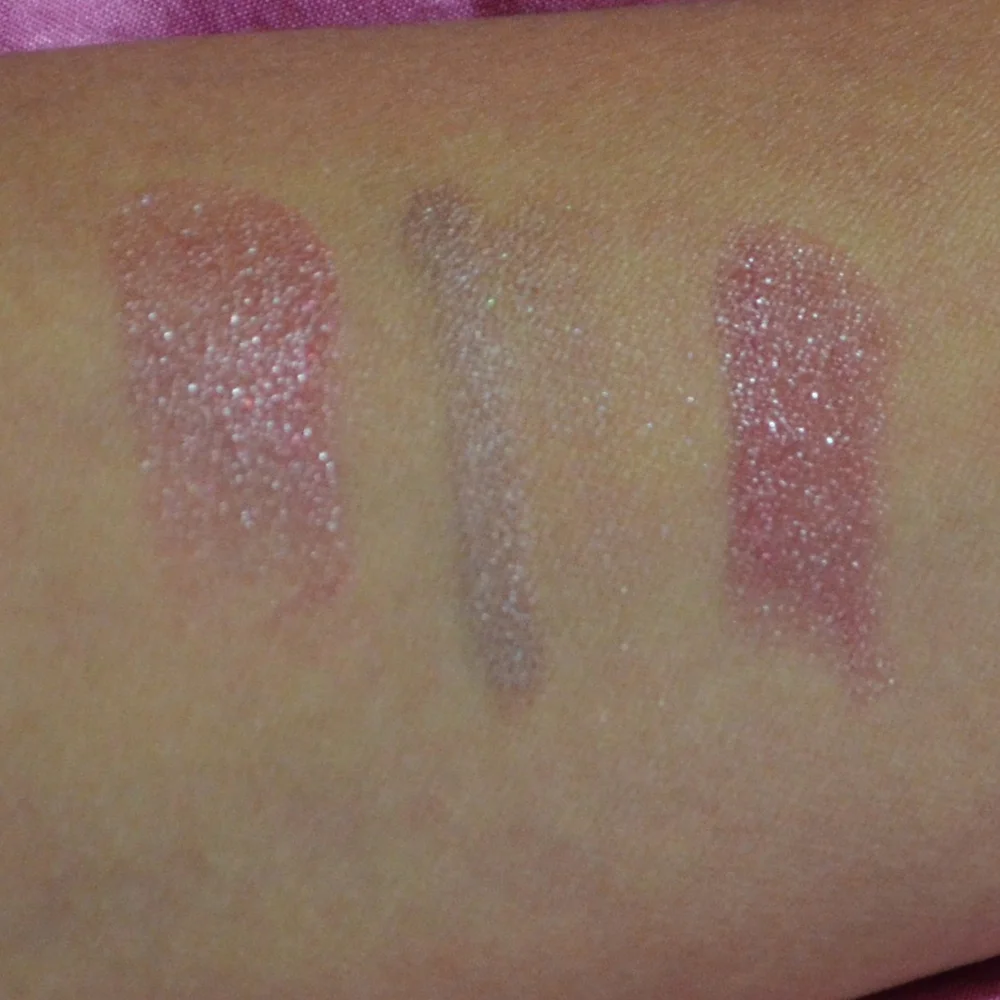
Recurring series like Love It or Toss It, Products That Didn't Work for Me, Weekly Rotation, and Lipstick Diaries kept readers coming back for real talk about what's worth the splurge. From FOTD posts to shopping hauls along Chicago's Magnificent Mile, Joyce documented her makeup journey from November 2011 through early 2014.

Why I Stopped Using Primer for Long-Lasting Foundation
For years, primer seemed like a non-negotiable step in my makeup routine. I had smoothing formulas for visible pores, gripping gels for long days, illuminating bases for dull skin and silicone-heavy options that promised a perfectly blurred finish. Some were lovely, but the extra layer often made my foundation sit on top of my skin rather than become part of it.
I eventually stopped using primer and began relying on skincare, sunscreen, strategic powder and better application technique instead. This approach has made my base look less heavy and more natural, while still holding up through commuting, changing weather and the occasional long dinner. For Australian beauty lovers, where heat, humidity and strong UV exposure can quickly test makeup, a primer-free routine can be surprisingly practical.
Why Primer Became More Trouble Than It Was Worth
My main issue was not that every primer performed badly. It was that the wrong combination of primer and foundation created problems that were difficult to diagnose. A silicone primer under a water-based foundation could pill around my nose, while a tacky gripping primer sometimes made foundation cling to dry patches on my cheeks. When I added moisturiser and sunscreen underneath, the layers became even less predictable.
The finish was another concern. Smoothing primers often made my skin look beautiful for the first hour, but the foundation could separate where I produced oil. On dry days, especially when indoor heating was running, the same base emphasised texture as the formula lost flexibility. I was spending money to add a step, then trying to fix the finish that step had caused.
I also became more conscious of how much product I was applying. A primer can feel weightless, but it still adds film-forming ingredients, fragrance or emollients to the overall mixture. For everyday makeup, I prefer a thin layer of well-prepared skin followed by a foundation that matches my needs. The result is easier to touch up and less likely to look like several cosmetic layers are competing with one another.
The Skin Prep That Replaced Primer
My replacement starts with a gentle cleanse or a splash of lukewarm water, depending on how my skin feels that morning. I apply a lightweight hydrating serum to slightly damp skin, then use a moisturiser with enough slip to prevent foundation from catching. I leave it alone for several minutes rather than immediately applying makeup over wet skincare.
That waiting period makes a greater difference than I expected. It allows humectants and moisturiser to settle, reduces rolling and gives the skin a more even surface. If my cheeks feel tight, I press a small amount of cream into those areas. If my T-zone is comfortable, I avoid adding unnecessary richness there.
Sunscreen is part of the routine, especially for readers in Australia. A broad-spectrum SPF should be chosen for genuine daily protection rather than treated as a makeup base. Australian sunscreens are regulated by the Therapeutic Goods Administration, so the SPF claim and product category are subject to local requirements. I let sunscreen set properly before foundation and avoid rubbing aggressively, which can disturb the protective film.
I am also careful with product age and storage. A changed smell, separated texture or altered colour can signal that a formula is past its best, particularly after months in a warm bathroom or beach bag. My guide to checking expired skincare covers the warning signs I look for before putting anything under makeup.
Thin Layers Create Better Foundation Wear
Long-lasting makeup is often associated with full coverage, but heavy application can shorten wear because there is more product available to crease, fade and break apart. I begin with a small amount of foundation in the centre of the face, then spread it outward with a damp sponge or a flexible synthetic brush. The edges receive whatever remains on the tool.
For redness or discolouration, I prefer targeted concealer rather than another full layer of foundation. A small brush lets me cover a blemish or shadow without changing the texture of the entire face. This keeps the base thin around the jaw, hairline and sides of the nose, where thick makeup can become obvious as the day progresses.
Application speed matters too. Some foundations begin setting quickly, especially soft-matte formulas. I work in sections and press rather than repeatedly buffing. Pressing helps the pigment sit evenly, while constant brushing can lift the skincare underneath or create patchiness over dry spots.
I assess the finish in natural light before setting it. A base that looks slightly fresh at this stage may settle into a more balanced finish after ten minutes. I only powder areas that genuinely need control, rather than covering the whole face automatically. This preserves a skin-like appearance without sacrificing longevity.
Setting Products Do the Specific Jobs Primer Promised
Loose powder has become my most useful replacement for pore-blurring and oil-control primer. I use a small fluffy brush to press a finely milled, colourless or softly tinted powder around the sides of my nose, between my brows and across the centre of my forehead. Pressing is more effective than sweeping when I want to lock down foundation without moving it.
For particularly long days, I use a puff with a very small amount of powder. I fold the puff, remove excess on the back of my hand and press it into the areas that tend to shine first. This creates a thinner and more controlled layer than applying a generous amount everywhere. It is especially useful before a long train journey, a warm office day or an event where touch-ups may be inconvenient.
Setting spray can also help, but I choose according to the finish I want. A fine mist can meld powder with foundation and remove a dry, powdery look. It does not replace suitable skincare or make an incompatible foundation combination work, so I treat it as a finishing product rather than a miracle layer.
Blotting papers are underrated in humid weather. In Brisbane or Darwin, where heat and moisture can make the T-zone shine quickly, blotting before adding powder prevents a muddy build-up. In Sydney, I might carry a small powder compact for a long day out, while in dry Perth weather I am more likely to refresh with mist and leave the cheeks alone.
Foundation Choice Matters More Than a Universal Base
Once primer was removed, I paid closer attention to the foundation itself. For oily skin or hot weather, a flexible soft-matte formula with moderate coverage usually wears more gracefully than an ultra-matte full-coverage product. For dry or mature skin, a satin or natural finish tends to move with the skin instead of highlighting every fine line.
Shade matching is part of wear time as well. A foundation that is too pale encourages heavier bronzer and concealer, while one that oxidises noticeably can look uneven by afternoon. I test a small amount along the jaw and check it in daylight. Australian shoppers can often swatch in person at Mecca, Myer or department store counters, while Priceline and Chemist Warehouse make it easier to compare accessible drugstore options.
I also read ingredient lists with realistic expectations. “Long-wear” can mean a formula resists oil, transfer or humidity, but it does not guarantee comfort on every skin type. Australian cosmetic products must comply with ingredient and labelling requirements, and therapeutic claims sit within a different regulatory framework. I still patch-test new products and pay attention to fragrance, alcohol and known irritants if my skin barrier is unsettled.
Seasonal changes deserve consideration. A foundation that works beautifully during a cool Melbourne winter may feel too rich during summer. Conversely, a matte formula that survives a hot Adelaide afternoon can look uncomfortable when cold wind and indoor heating leave the skin dehydrated. I would rather adjust moisturiser, powder placement and foundation texture than force one primer to solve every seasonal problem.
A Primer-Free Routine I Can Repeat
My current routine is deliberately short: cleanse, hydrate, moisturise, apply sunscreen, wait, then use a thin foundation layer. I conceal only where needed and powder the centre of the face. If I want extra insurance, I finish with a light setting mist and keep blotting papers nearby.
The routine is also kinder to my budget. Instead of buying a separate primer for every finish, I can invest in a reliable moisturiser, a sunscreen I will actually wear and a foundation suited to my skin. I still enjoy luxury formulas, but I judge whether they earn their price through texture, shade range and real wear rather than impressive packaging or a long list of claims. I share those kinds of tested recommendations on Bronzer Bunny, alongside comparisons across luxury, mid-range and drugstore makeup.
Products And Habits That Keep My Base In Place
For the morning preparation:
- Lightweight hydrating serum on slightly damp skin
- Moisturiser adjusted to dry or oily areas
- Broad-spectrum Australian sunscreen allowed to set
- A few minutes of waiting before foundation
For touch-ups and lasting wear:
- Thin foundation layers instead of one heavy coat
- Small brush for targeted concealer
- Blotting paper before adding powder
- Fine powder pressed only onto high-shine zones
The most important change has been learning to read my skin before reaching for another product. If my cheeks are flaky, more powder will not improve the base. If my forehead is oily, adding a rich primer beneath foundation may make separation worse. A simple adjustment to skincare or placement is often more effective than adding a new category to the routine.
Primer still has a place in some makeup bags. It can be helpful for a specific concern, such as intense shine, very visible texture or an event requiring extra grip. I simply no longer view it as mandatory. My everyday foundation lasts better when the skin underneath is comfortable, the layers are thin and each product has one clear purpose.
A primer-free base also feels more realistic for daily life. Makeup has to cope with sunscreen reapplication, warm pavements, air-conditioned offices, sudden weather changes and the occasional rushed morning. When the foundation begins with balanced skin rather than a complicated stack of products, it fades more evenly and is easier to refresh.
Try this approach with the foundation already in your makeup bag: simplify the skincare, allow sunscreen to settle, apply less base and powder only where necessary. Give the routine a full day in your own climate, then keep the steps that genuinely improve comfort and wear.
Brands featured on bronzer bunny
Luxury & Mid-Range Favorites
Joyce covered an extensive range of beauty brands, from prestige houses to accessible drugstore staples.
Recurring Series
Love It or Toss It • Products That Didn't Work for Me • Weekly Rotation • Saturday Recap • Lipstick Diaries • Makeup Challenge!
JOYCE'S SIGNATURE SERIES KEPT READERS HOOKED
Read the Series