
Luxury Beauty Blog
bunny
Honest makeup reviews, product comparisons, FOTD looks, and beauty hauls — from a beauty-obsessed friend who tells it like it is.
Explore the Blog
"I am a major beauty addict, but my biggest challenge is actually using the products I'm obsessing over! I shop frequently, but most days pass and not a speck of makeup goes on my face."
— Joyce, bronzer bunny
Meet Joyce
About bronzer bunny
A beauty journey, one swipe at a time
Joyce started bronzer bunny to share her honest take on luxury and mid-range beauty products. Based near Chicago, she's a self-described beauty addict who loves connecting with fellow enthusiasts. Her blog features in-depth reviews of brands like Chantecaille, Burberry, Tom Ford, Nars, Guerlain, and Tatcha — always with a warm, conversational voice.
Recurring series like Love It or Toss It, Products That Didn't Work for Me, Weekly Rotation, and Lipstick Diaries kept readers coming back for real talk about what's worth the splurge. From FOTD posts to shopping hauls along Chicago's Magnificent Mile, Joyce documented her makeup journey from November 2011 through early 2014.

I'm Choosing Refillable Compact Foundations to Lighten My Beauty Routine
For years, my foundation drawer has been a graveyard of half-used bottles and crushed compacts. Glass bottles that couldn't be recycled because of mixed materials, plastic pumps that warped in the heat, and those frustrating cushion cases where the sponge grew bacteria long before the product ran out. When I finally counted up the packaging waste from my foundation habit last year, the numbers felt heavier than the bottles themselves.
The beauty industry has been slowly responding to consumer pressure around sustainability, and refillable packaging is no longer a niche experiment. Major houses from Westman Atelier to Kosas, and even mainstream players like MAC, now sell refills designed to slot into a case you keep forever. The math is simple: one durable case, multiple product pans, and far less plastic heading to landfill each time you repurchase.
I had been resistant for a while, mostly because I love the feel of a fresh liquid foundation bottle and the ritual of a new purchase. What changed my mind was realising that my foundation routine, more than any other step, was generating the most packaging waste per gram of product. Lipsticks can be finished in months, mascara in weeks, but foundation often takes six to twelve months to use up, meaning that packaging sits in my bathroom for almost a year before I even think about disposal.
Refillable compacts solve a specific problem that liquids simply cannot. The pan format uses less product per application because you're not pumping air and excess formula through a nozzle. The case itself becomes part of your makeup bag furniture rather than a disposable object. After several months of testing, I'm now buying refillable compact foundations as my default, and the experience has reshaped how I think about my entire complexion routine.
The Mounting Waste in My Foundation Drawer
Before I made the switch, I did a rough audit of every foundation container I'd bought in the previous three years. The count included four glass bottles with pump dispensers, two plastic squeeze tubes, one shattered cushion compact, and a half-finished stick foundation that had dried out because the cap no longer sealed properly. Almost every one of those containers went straight into general waste because my local recycling stream doesn't accept mixed-material cosmetic packaging.
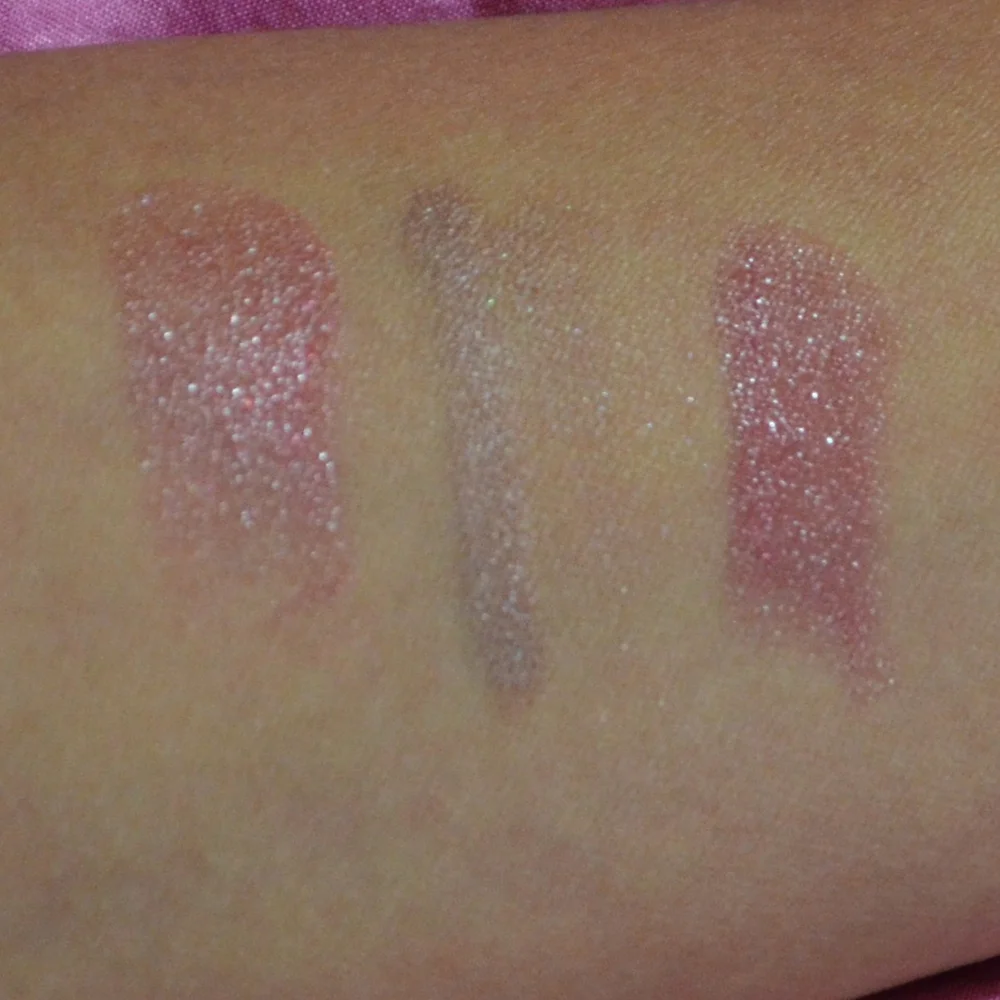
This is the same frustration I explored in that liquid blush comparison, where two beautiful formulas generated an outsized amount of plastic waste relative to the product inside. Foundation bottles follow the exact same pattern, often worse, because the packaging is larger and the formats more elaborate. Pump mechanisms, dropper assemblies, and cushion sponges all contain mixed materials that recycling facilities struggle to process.
The financial waste bothered me too. Each time I repurchased a foundation, I was paying for the packaging as well as the formula. Refillable systems flip that equation. You invest in the case once, then pay only for the product pan on subsequent purchases. For someone who uses foundation daily, the savings add up within a year, and the environmental savings start immediately.
How Refillable Compacts Actually Work
The premise is straightforward. You buy a sturdy case, usually aluminium or thick recyclable plastic, with a magnetic or click-in pan well. When the product runs out, you purchase a replacement pan, which arrives in minimal packaging, often just a thin paper wrap and a small recyclable tray. The pan clicks into your existing case, and you continue using the same compact indefinitely.
Most premium refillable foundations I've tested come in this format. Westman Atelier's Vital Skin Foundation, Kosas' Revealer, and even the MAC Studio Radiance line all offer refills that snap into their signature cases. The pans are typically around 10-12 grams of product, which is comparable to a standard liquid foundation bottle once you factor in the formula that gets left behind in pumps and tubes.
Application is slightly different from liquid foundations. I use a damp beauty sponge or a dense brush to pick up the product, then press it into the skin. The coverage is buildable, and because the formula is often more concentrated, a little goes much further than the liquid versions I'm used to. Wear time has been comparable to my favourite long-wear liquids, and the finish tends to sit somewhere between natural and satin, which suits most skin types.
One thing that surprised me was how hygienic the format feels. With liquids, every pump introduces air and bacteria into the bottle. A refill pan stays sealed until you open it, and there's no dipper or applicator touching the entire contents. My skin has been calmer since switching, though that could also be down to other routine changes I've made.
Comparing My Old Favorites With the Refillable Alternatives
To make the switch feel more concrete, I tracked how three popular refillable foundations compared to my previous liquid staples across the metrics that matter most to me: texture, coverage, wear time, packaging waste, and cost per wear.
| Foundation | Format | Texture | Coverage | Wear Time | Packaging Waste per Refill | Cost per Wear (AUD) |
|---|---|---|---|---|---|---|
| Previous liquid (brand X) | Glass pump bottle | Lightweight, dewy | Medium, buildable | 8-10 hours | High (mixed materials) | $0.85 |
| Westman Atelier Vital Skin | Refillable compact | Cream-powder hybrid | Medium-full | 10-12 hours | Very low (paper wrap) | $0.62 |
| Kosas Revealer | Refillable compact | Balmy, skin-like | Light-medium | 9-11 hours | Very low (paper wrap) | $0.55 |
| MAC Studio Radiance | Refillable compact | Luminous cream | Medium | 10-12 hours | Low (recyclable tray) | $0.48 |
The cost per wear figure assumed I use the product five days a week and that one pan lasts approximately three months. Prices were converted from current AUD retail at Mecca and Sephora Australia. While individual results will vary based on application amount and skin type, the pattern was clear: refills deliver more product for less packaging at a lower ongoing cost.
What the table doesn't show is the feel of the formula during application. I personally preferred the Westman Atelier texture for everyday wear, as it blended seamlessly with my fingertips and didn't cling to dry patches around my nose. The Kosas option felt more hydrating, which would suit those with drier skin, while MAC's formula gave the most radiant finish for evening looks.
Why This Matters Here in Australia
Shopping for refillable beauty in Australia has never been easier, largely thanks to Mecca and Sephora expanding their sustainable beauty offerings over the past two years. Mecca's Beauty Loop recycling program accepts empty compacts from any brand, which means even if my refill pan isn't from a Mecca-exclusive label, I can return the outer case for proper processing when it eventually wears out. Priceline has also started stocking refill-friendly formats at the drugstore end of the market, making the switch accessible regardless of budget.
Climate plays a role in which formulas work best. My friends in Brisbane and Sydney often deal with humidity that causes liquid foundations to slide, while friends in Melbourne and Adelaide complain about dryness that makes cream products patchy. Refillable compact foundations sit in a sweet spot because the formula is less prone to oxidation in heat than some liquids, and the balmy textures don't dry out the way a traditional powder can. I tested these formulas through a humid Sydney summer and a dry Melbourne winter, and the performance held up in both extremes.
Australian pricing is competitive once you factor in the case-once model. A Westman Atelier case retails for around AUD $85, with refills at AUD $78. After two refills, the cost-per-wear drops below most premium liquid foundations. For budget-conscious shoppers, the new Kosas refills at Mecca and the gradually expanding range at Priceline offer entry points under AUD $60 for the first case and refill bundle.
Recycling infrastructure varies by council, which is worth knowing before you commit. Some inner-city Sydney and Melbourne councils accept small cosmetic containers in kerbside recycling if rinsed thoroughly, while others require drop-off at specialised facilities. The brand take-back programs, like Mecca's Beauty Loop and the return schemes run by certain department stores, tend to be the most reliable option for ensuring packaging actually gets processed rather than landfilled.
My Honest Recommendations for Trying Refillable Foundations
If you're curious about making the switch but unsure where to start, these are the foundations and approaches that worked best for me during my testing period.
- Start with a single brand and shade to learn the application technique before investing in multiple refills
- Visit a Mecca or Sephora counter to swatch several formulas in person, since the finish varies significantly between cream, balmy, and powder-cream hybrids
- Consider your climate and skin type when choosing texture; humid conditions call for lighter balmy formulas, while drier skin benefits from cream-rich options
- Budget for the case plus one refill upfront, as this gives you a realistic sense of cost-per-wear before committing to a full routine change
- Sign up for brand newsletters to catch refill promotions, which several Australian stockists run every few months and can significantly reduce the ongoing cost
Before you swap your foundation, make sure your skincare prep is ready to support the change. Since I started focusing on hydration and active ingredients, particularly after tracking my vitamin C results over twelve months, my foundation applies more evenly and lasts longer throughout the day. Better skincare prep means less product, which means your refills stretch even further.
Switching to refillable compact foundations has genuinely changed how I feel about my makeup collection. The drawer is lighter, the waste is minimal, and the formulas perform as well as anything I was using before. If you've been hesitant about trying refills, my advice is to pick one product, commit to using it for at least a month, and see how your routine adapts.
Share which refillable foundations you've tried or which ones are on your radar in the comments below, and browse my archive for detailed comparisons on blushes, skincare, and other complexion products. Sustainable beauty isn't about perfection; it's about making slightly better choices, one compact at a time.
Brands featured on bronzer bunny
Luxury & Mid-Range Favorites
Joyce covered an extensive range of beauty brands, from prestige houses to accessible drugstore staples.

Recurring Series
Love It or Toss It • Products That Didn't Work for Me • Weekly Rotation • Saturday Recap • Lipstick Diaries • Makeup Challenge!
JOYCE'S SIGNATURE SERIES KEPT READERS HOOKED
Read the Series