
Luxury Beauty Blog
bunny
Honest makeup reviews, product comparisons, FOTD looks, and beauty hauls — from a beauty-obsessed friend who tells it like it is.
Explore the Blog
"I am a major beauty addict, but my biggest challenge is actually using the products I'm obsessing over! I shop frequently, but most days pass and not a speck of makeup goes on my face."
— Joyce, bronzer bunny
Meet Joyce
About bronzer bunny
A beauty journey, one swipe at a time
Joyce started bronzer bunny to share her honest take on luxury and mid-range beauty products. Based near Chicago, she's a self-described beauty addict who loves connecting with fellow enthusiasts. Her blog features in-depth reviews of brands like Chantecaille, Burberry, Tom Ford, Nars, Guerlain, and Tatcha — always with a warm, conversational voice.
Recurring series like Love It or Toss It, Products That Didn't Work for Me, Weekly Rotation, and Lipstick Diaries kept readers coming back for real talk about what's worth the splurge. From FOTD posts to shopping hauls along Chicago's Magnificent Mile, Joyce documented her makeup journey from November 2011 through early 2014.

Why blush comes before bronzer in my makeup routine
I used to reach for bronzer first because it felt logical: warm up the perimeter of the face, then add color to the cheeks. That order worked well enough, but my makeup often looked slightly disconnected. The bronzer had depth, the blush had brightness, and the two shades seemed to sit beside each other rather than belong to the same complexion.
Switching the order changed the result immediately. I now apply blush before bronzer, allowing the cheek color to establish the liveliness and placement of the look before I sculpt and warm the skin. The finish is softer, more dimensional, and much closer to the way a natural flush appears beneath sun-kissed warmth.
This is especially useful when testing luxury and drugstore formulas side by side. Product quality still matters, but placement often has a bigger impact than price. A $12 blush can look beautifully blended when layered thoughtfully, while an expensive formula can appear heavy if the order and pressure are wrong.
My placement order changes the whole face
Blush is the feature that gives a complexion its visible life. It brings forward the apples and upper planes of the cheeks, adds a sense of circulation, and determines whether the makeup feels fresh, sculpted, romantic, or editorial. Bronzer has a different job: it creates warmth and soft definition around areas where the sun would naturally touch.
When bronzer goes on first, I tend to build the warmth farther inward than intended. Then, when I place blush over it, I have to work harder to preserve the blush color. The cheek can become overly blended, muddy, or too warm, particularly when the bronzer has an orange or terracotta undertone.
Starting with blush gives me a clear color map. I can see exactly where the face looks flushed and how far the shade should extend toward the temples. Bronzer then becomes a finishing layer that connects the cheek to the hairline, forehead, and jaw without overpowering the original flush.
The effect is subtle but important. Instead of seeing a stripe of blush over a separate area of contour, I see one blended gradient: fresh color at the center, gentle warmth around it, and soft dimension at the edges.
Why blush first creates believable warmth
Natural facial color usually has a translucent quality. Even when cheeks look rosy, the warmth underneath is still visible. Applying blush first imitates that relationship because the bronzer can softly veil the edges without completely covering the color. The complexion retains variation rather than looking like two opaque products have been stacked together.
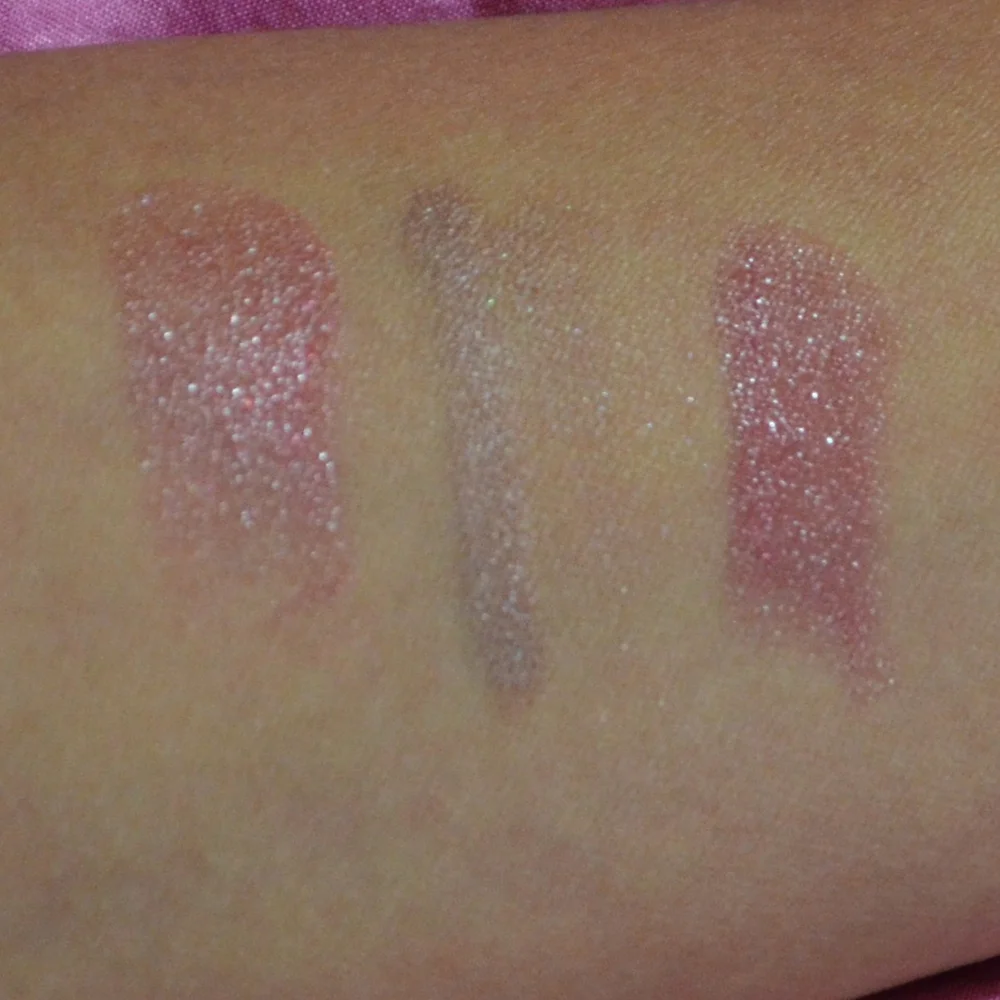
This technique also helps with bright or cool-toned blushes. A berry, mauve, rose, or blue-based pink can look startling when first applied, especially on fair or neutral skin. A light layer of bronzer around the blush makes the contrast feel intentional. It warms the surrounding skin while allowing the original blush tone to remain recognizable.
The same principle works with muted blush shades. Beige rose, cinnamon, peach, and apricot colors can disappear when applied over a strongly pigmented bronzer. Placing them first means the shade gets enough visual space to show its undertone. Bronzer can then add dimension without turning the blush into an indistinct brown.
I also find this order more forgiving in natural daylight. Artificial lighting can make a face look balanced when the bronzer is actually too concentrated. By establishing blush before warmth, I can judge the complexion based on color and shape rather than relying on a dramatic sculpted effect.
How bronzer behaves over cheek color
Bronzer applied over blush should be lighter and more deliberate than bronzer applied directly to bare foundation. I use the remaining product on my brush rather than adding a full second layer. The goal is to soften transitions, not redraw the entire face.
My preferred placement begins at the temples and upper forehead, then moves lightly along the outer cheek. I avoid sweeping the bronzer directly across the center of the blush unless the formula is sheer. Instead, I connect the outer edge of the cheek color to the temple and hairline. This keeps the cheeks bright while making the overall complexion cohesive.
The finish varies according to the formulas involved. Powder bronzer over powder blush is the easiest combination to control, while cream bronzer over cream blush creates a particularly skin-like result. Liquid blush under powder bronzer can work beautifully, but the base needs enough setting time to prevent lifting or patchiness.
| Makeup order | Finish | Best use | Main risk |
|---|---|---|---|
| Blush before bronzer | Soft, blended warmth | Natural everyday makeup and layered color | Too much bronzer can mute the flush |
| Bronzer before blush | More sculpted and defined | Stronger cheek structure or dramatic looks | Blush may look separate or overly bright |
| Cream blush before powder bronzer | Fresh, skin-like dimension | Normal to dry skin and luminous bases | Powder can disturb a damp layer |
| Powder blush before cream bronzer | Possible, but less predictable | Sheer cream formulas and quick touch-ups | Cream may skip or lift the powder |
| Liquid blush before cream bronzer | Seamless, radiant color | Minimal makeup and dewy finishes | Excess product can become slippery |
The comparison is not a strict rule for every face or every formula. It is a reliable starting point. If I want a very sculpted look, I may apply a whisper of bronzer first as a base, then blush, followed by a final veil of bronzer around the edges. That preserves the visual logic of blush-first placement while adding extra structure.
Adjust the technique for your skin and formulas
Dry skin usually benefits from cream or liquid blush applied before cream bronzer. I press both products into the skin with a dense, flexible brush or a damp sponge, keeping the layers thin. Rubbing back and forth can lift foundation, so pressing and short tapping motions are safer.
On oily skin, a cream blush can still work, but I prefer setting the T-zone and leaving the cheek area slightly flexible. A finely milled powder bronzer can then be swept around the perimeter without flattening the blush. If the blush is very emollient, a small amount of translucent powder over the center of the cheek helps preserve the color.
For combination skin, the best approach may be a hybrid. I use a cream blush for the initial flush, set only the areas that crease or shine, and finish with a satin powder bronzer. This prevents the face from looking overly matte while providing enough structure for the makeup to last through a full workday or dinner.
Skin tone matters as much as skin type. Fair skin often needs a pale, neutral bronzer so it does not overwhelm pink or peach blush. Medium complexions can usually handle richer caramel and golden shades, while deep skin tones may need a bronzer with enough pigment to remain visible around a saturated blush. The key is contrast: the bronzer should add warmth without turning the cheek color gray, orange, or dull.
Undertone deserves attention too. A cool rose blush paired with a strongly yellow bronzer may look disjointed, while a warm coral blush can become too orange beside the wrong bronzer. They do not have to match exactly, but they should share some visual relationship in depth or warmth.
Build the layers without disturbing the base
I start with skincare, sunscreen, and a thin layer of complexion product, allowing each step to settle. If the foundation is still wet, blush can grab unevenly. If the base has fully dried down to a powdery finish, cream products may drag. A short pause creates a smoother surface for both.
For powder products, I tap the brush into the pan and remove excess on the back of my hand. I place blush high on the cheek, usually beginning near the outer apple and blending toward the temple. This placement lifts the appearance of the face while leaving room beneath the cheekbone for subtle definition.
I then switch to a clean or lightly loaded bronzer brush. Rather than applying in a broad stripe, I make small circular motions at the temples and along the upper cheek perimeter. If the blush edge looks too strong, I use the bronzer brush to soften only that boundary. A clean fluffy brush can finish the blend without adding more pigment.
Cream formulas require a similar restraint. I place a small amount of blush, blend it fully, and then add bronzer in thin layers. If the products begin to move, I stop adding pigment and press a clean sponge over the area. Most patchiness comes from trying to correct too quickly with more product.
The final check should happen in natural light. I look straight ahead, turn my face slightly, and examine whether the cheek color transitions smoothly into the temples. If the blush has disappeared, I add a tiny amount at the highest point of the cheek rather than repainting the entire area. If the bronzer looks heavy, a little complexion product on a clean brush can soften the edges.
A routine that makes the order easy
The blush-first method does not require a large collection or complicated face chart. It is mostly about assigning each product a clear role and resisting the urge to overblend everything into one flat shade. These are the steps I return to for everyday makeup:
- Apply a thin complexion base and let it settle before adding cheek products.
- Place blush first on the cheeks, blending upward and slightly outward.
- Add bronzer to the temples, forehead, outer cheek, and jaw with a lighter hand.
- Use a clean brush or sponge to soften the meeting point between blush and bronzer.
- Reassess in daylight before adding highlighter, powder, or another layer of color.
For a quick face-of-the-day, I often use a cream blush, a sheer bronzer, and no separate contour. The blush gives the complexion a focal point, while the bronzer provides enough warmth to keep the face from looking flat. When I want more definition, I add a neutral contour beneath the cheekbone before the blush, but I keep that contour understated so it does not compete with the warmer layers.
This technique also makes shopping decisions clearer. A highly pigmented blush may need a stippling brush and a small amount of bronzer, while a sheer balm can be layered more generously. Before buying another cheek product, I like to compare the finish, wear time, undertone, and compatibility with the formulas already in my drawer. My beauty video reviews and demos show how those differences appear on an actual face rather than only in a pan.
When bronzer first still makes sense
There are times when I deliberately apply bronzer before blush. If I am creating a sculpted evening look, starting with a matte or satin bronzer establishes the cheek structure. A stronger blush placed afterward becomes a focused accent rather than the foundation of the complexion.
Bronzer-first can also suit very sheer blushes. If the blush behaves almost like a veil of watercolor, it may look more natural over softly warmed skin. The same is true when using a cool pink blush as a brightening detail over a neutral bronze base. In that case, the blush is intended to sit visibly on top.
The order can change when using a cream product over powder. A powder blush beneath a creamy bronzer is more likely to lift, skip, or create texture, so I either reverse the order or use a very sheer cream formula. Makeup artistry is full of exceptions, and product behavior matters more than a rigid rule.
Still, blush before bronzer remains my default because it gives me better control over color, placement, and balance. It is especially effective for everyday makeup, soft glam, and any look where I want the skin to appear naturally warm rather than heavily sculpted.
When I am deciding between two similar cheek products, I also pay attention to value and availability rather than buying impulsively. Checking the latest beauty sale picks can be useful when a formula has the right undertone and texture but needs to fit a realistic makeup budget.
Try the order with products you already own before changing your entire routine. Apply your usual blush first, add less bronzer than normal, and compare the result in daylight. A few small adjustments to placement and pressure may be all it takes to create a softer, warmer, more connected complexion.
Brands featured on bronzer bunny
Luxury & Mid-Range Favorites
Joyce covered an extensive range of beauty brands, from prestige houses to accessible drugstore staples.
Recurring Series
Love It or Toss It • Products That Didn't Work for Me • Weekly Rotation • Saturday Recap • Lipstick Diaries • Makeup Challenge!
JOYCE'S SIGNATURE SERIES KEPT READERS HOOKED
Read the Series