
Luxury Beauty Blog
bunny
Honest makeup reviews, product comparisons, FOTD looks, and beauty hauls — from a beauty-obsessed friend who tells it like it is.
Explore the Blog
"I am a major beauty addict, but my biggest challenge is actually using the products I'm obsessing over! I shop frequently, but most days pass and not a speck of makeup goes on my face."
— Joyce, bronzer bunny
Meet Joyce
About bronzer bunny
A beauty journey, one swipe at a time
Joyce started bronzer bunny to share her honest take on luxury and mid-range beauty products. Based near Chicago, she's a self-described beauty addict who loves connecting with fellow enthusiasts. Her blog features in-depth reviews of brands like Chantecaille, Burberry, Tom Ford, Nars, Guerlain, and Tatcha — always with a warm, conversational voice.
Recurring series like Love It or Toss It, Products That Didn't Work for Me, Weekly Rotation, and Lipstick Diaries kept readers coming back for real talk about what's worth the splurge. From FOTD posts to shopping hauls along Chicago's Magnificent Mile, Joyce documented her makeup journey from November 2011 through early 2014.

Cream And Powder Blush For Mature Skin: What Really Works
Blush can change the entire balance of a makeup look, especially when skin has become drier, more textured, or less predictable with age. The same formula that once looked fresh at 25 may now settle into fine lines, emphasize pores, or disappear within a few hours. That does not mean mature skin has to give up color. It means texture, placement, and finish matter more.
Cream and powder blush each have a loyal following, and both can look beautiful on mature complexions. Cream formulas often bring a believable, softly diffused flush, while powder blush can offer excellent longevity and a polished finish. The better choice depends on your skin preparation, the rest of your makeup, and the effect you want from your cheek color.
I have tested blushes across luxury, mid-range, and drugstore price points, and the most expensive compact is not automatically the most flattering. A wearable shade, comfortable texture, and reliable wear time are often more important than a prestige name. Here is how the two main blush types compare in real-world use.
How Mature Skin Changes Blush Application
As skin matures, moisture levels can fluctuate. Some days the cheeks feel comfortable and smooth; on others, foundation catches around the nose and blush highlights dry patches. Fine lines may also become more visible when several layers of makeup are pressed onto the same area. A blush with a dense, fast-setting texture can exaggerate these details before you have time to blend it.
Cream blush tends to work well when the complexion has a natural or satin finish. Its emollient texture can melt into liquid foundation, tinted moisturizer, or bare skin rather than sitting on top. The finish is usually more skin-like, particularly when applied with fingers or a flexible synthetic brush. A small amount can add dimension without making the cheeks appear heavily made up.
Powder blush is more dependent on what lies underneath it. Applied over a damp, tacky base, it can become patchy or cling to uneven areas. Applied after the foundation has been lightly set, it usually blends with greater control. Mature skin does not have to avoid powder entirely; it simply benefits from finely milled formulas, a soft brush, and a restrained hand.
The Case For Cream Blush
The biggest advantage of cream blush is its seamless appearance. A sheer balm, cream stick, or whipped formula can mimic the gentle color that naturally rises through the cheeks. This makes it particularly attractive for daytime makeup, minimal foundation looks, and anyone who dislikes a visibly powdered finish. Cream blush also layers easily beneath a light veil of setting powder when extra wear is needed.
Cream formulas are available in several textures, and the differences are important. A balm usually gives the most translucent result and may remain slightly dewy. A stick can be convenient but may be waxier or more concentrated. A cream-to-powder formula begins with slip and settles to a drier finish, making it a useful middle ground. For mature skin, a thin, flexible layer is generally more flattering than a thick, glossy one.
Application technique can determine whether cream blush looks refined or overwhelming. Instead of dragging a stick directly across the cheek, tap a small amount onto the back of your hand and pick it up with a brush. Place the color slightly higher on the cheekbone, then diffuse the edges toward the temples. This lifts the appearance of the face and avoids depositing too much pigment beside the nose, where redness and texture are often more noticeable.
Cream blush does have limitations. Very emollient formulas can move foundation, transfer onto glasses, or fade faster in warm weather. Balmy blushes may also emphasize shine if the T-zone and cheeks already become oily during the day. If longevity is essential, use a thin cream layer as a base and press a compatible powder blush over the center of the color.
When Powder Blush Performs Better
Powder blush remains the strongest option for lasting color, especially when the complexion has been set or when makeup needs to survive a long workday. A finely milled formula can create a smooth veil of pigment without feeling heavy. Satin and soft-matte finishes are usually the most forgiving, while glitter-heavy shades can draw attention to enlarged pores and fine lines.
Powder also gives precise control over intensity. A fluffy brush can create a sheer wash, while a denser brush builds stronger color in small increments. This is helpful with mature skin because highly pigmented blush can be difficult to correct once it has landed on an uneven base. Tapping off excess before touching the cheek is a simple step that prevents a harsh first deposit.
The best powder blushes for mature skin are not necessarily completely matte. A subtle satin finish can reflect light gently and make the complexion look healthy. Very flat powders may make the cheeks appear dry, especially when paired with matte foundation. Conversely, large shimmer particles can settle into lines and read as glitter rather than luminosity. Look for finely pressed color with a soft, diffused sheen.
Powder is also useful for setting cream blush without losing its dimension. Choose a similar shade family rather than an exact duplicate; a muted rose cream topped with a soft berry powder, for example, can look more dimensional than two identical layers. Keep the powder concentrated on the apples and upper cheekbone, then use the clean side of the brush to soften the perimeter.
| Feature | Cream Blush | Powder Blush |
|---|---|---|
| Finish | Natural, dewy, or satin | Satin, soft matte, or luminous |
| Best for | Dry, normal, or lightly textured skin | Normal, combination, or makeup that needs extra wear |
| Longevity | Moderate, depending on formula | Usually longer and easier to set |
| Texture effect | Melts into the complexion | Can emphasize dryness if too matte or heavily applied |
| Application | Fingers, sponge, or synthetic brush | Fluffy or angled blush brush |
| Layering | Works well under powder products | Can set cream blush and extend wear |
| Main concern | May move or become shiny | May cling to dry patches or look flat |
Finish, Shade, And Formula Matter Most
The word “cream” does not guarantee a flattering result, and “powder” does not automatically mean aging or drying. Formula design matters more than category. A silicone-rich cream may glide over texture beautifully, while a thick waxy stick can catch on it. A finely milled powder with a satin finish may look softer than a talc-heavy blush with prominent sparkle.
Shade selection also changes the perceived texture of the cheek. Very pale pastel blushes can become chalky on deeper skin tones, while extremely dark berry shades may look stark if placed too low or applied too heavily. Muted rose, peach, apricot, terracotta, and soft plum are often versatile, but undertone should guide the final choice. Cool pinks can brighten an olive or neutral complexion, while warm peach and coral can add life to golden undertones.
A good rule is to test blush in natural light and observe it after several hours. Some formulas lose their creaminess and become patchy as they dry down. Others deepen as the pigments warm against the skin. Reviews and wear tests in the beauty archives can be helpful when you want practical impressions beyond a product description, especially for color accuracy and texture.
Skin preparation should remain light. Apply moisturizer and allow it to settle, then use a thin layer of primer or foundation only where needed. Heavy skincare residue can cause cream blush to slide, while excessive powder underneath can make it skip. The goal is a smooth, flexible surface rather than a completely blank, matte canvas.
Choosing The Right Blush For Your Routine
Cream blush is a strong choice for quick makeup, dry winter skin, and fresh complexion looks. It is also convenient for travel because one compact or stick can often double as a lip tint. A cream formula suits anyone who prefers applying makeup with fingers and wants an easy way to adjust intensity throughout the day. Sheer formulas are especially forgiving when you are still refining placement.
Powder blush makes sense when you value durability, live in a humid climate, or prefer a traditional polished makeup routine. It is also easier to combine with powder bronzer and highlighter without creating too much slip. Those with combination skin may find powder more dependable around the center of the face, while cream can remain attractive on the drier outer cheeks.
A hybrid routine often produces the most natural and lasting result. Use a small amount of cream blush to create the flush, let it settle for a minute, and then add a very thin layer of powder blush near the highest point of the cheek. This gives the skin dimension without covering the entire cheek in multiple layers. If your complexion is dry, skip setting powder directly over the blush and use a finishing mist instead.
These practical recommendations can help narrow the choice:
- Choose a satin cream blush when your cheeks feel dry or your foundation has a natural finish.
- Choose a finely milled powder blush when you need dependable all-day wear.
- Use sheer, buildable pigment instead of a dense formula that requires immediate correction.
- Avoid chunky shimmer and place luminous blush on the upper cheekbone rather than over visible pores.
- Apply cream with tapping motions and powder with a loose, clean brush for softer edges.
Making Blush Look Fresh For Longer
Longevity starts before the blush reaches the cheek. Hydrate the skin without leaving a slippery layer, and give each skincare product enough time to absorb. If foundation is necessary, use less around the cheek area and press it into the skin rather than repeatedly buffing over it. Too much movement can disturb texture and make both cream and powder blush appear uneven.
For cream blush, warming the product on the back of the hand can make application more controlled. Begin with a half-pea-sized amount, place it high on the cheek, and build only where the color has faded. A damp sponge can remove excess without stripping the foundation beneath. If the formula remains tacky, lightly press a translucent setting powder around—not directly over—the blush.
For powder blush, brush off excess pigment before application and use short, floating strokes. A dense circular motion can disturb the base and concentrate color in one spot. If the blush seems too strong, a clean foundation brush or sponge can soften it. A mist sprayed into the air and passed through—not directly saturated onto—the face can also help powder settle into the complexion.
Luxury packaging and a high price can be enjoyable, but performance deserves the final word. The same standards apply to blush as to any prestige purchase: assess texture, shade range, wear time, and how often you will reach for it. My perspective on expensive color products is similar to the way I evaluate Tom Ford quad review: beautiful presentation matters, but it should support a formula you genuinely enjoy using.
A Personalized Approach To Cheek Color
There is no universal winner between cream and powder blush for mature skin. Cream usually wins for a fresh, integrated finish, while powder often wins for control and longevity. Skin type, climate, foundation finish, and personal application habits can easily change the result. Someone with dry skin may love a cream balm in January but prefer a satin powder during a humid July.
Consider owning both textures rather than forcing one formula to work for every situation. A neutral cream blush can provide an effortless everyday flush, while a refined powder shade can add polish for evenings or longer days. The products do not need to be expensive. A well-formulated drugstore blush that blends smoothly and lasts six hours may be a better purchase than a luxury compact that looks beautiful but fades immediately.
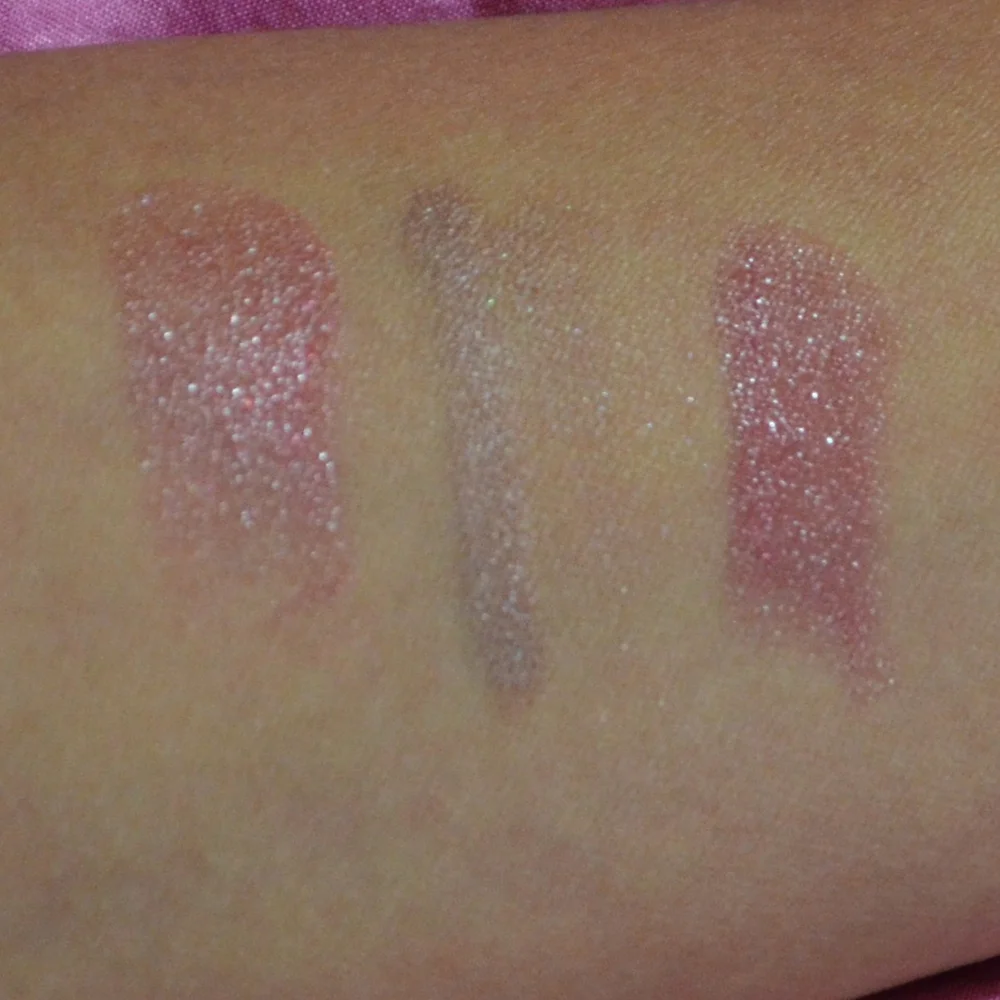
Testing blush on the cheek—not only on the arm—reveals much more. Watch how it interacts with foundation, whether the finish changes as it wears, and how the shade looks after natural oils appear. If possible, take a photograph in daylight after several hours. This is often the fastest way to see whether a blush is enhancing the face or emphasizing texture.
The goal is softly defined color that remains comfortable and believable. Whether that comes from a cream, powder, or carefully layered combination, the best blush should make the rest of your makeup feel easier. Explore more real-world beauty reviews and personal product notes on Bronzer Bunny, then choose the texture that fits your skin and your actual routine.
Brands featured on bronzer bunny
Luxury & Mid-Range Favorites
Joyce covered an extensive range of beauty brands, from prestige houses to accessible drugstore staples.
Recurring Series
Love It or Toss It • Products That Didn't Work for Me • Weekly Rotation • Saturday Recap • Lipstick Diaries • Makeup Challenge!
JOYCE'S SIGNATURE SERIES KEPT READERS HOOKED
Read the Series