
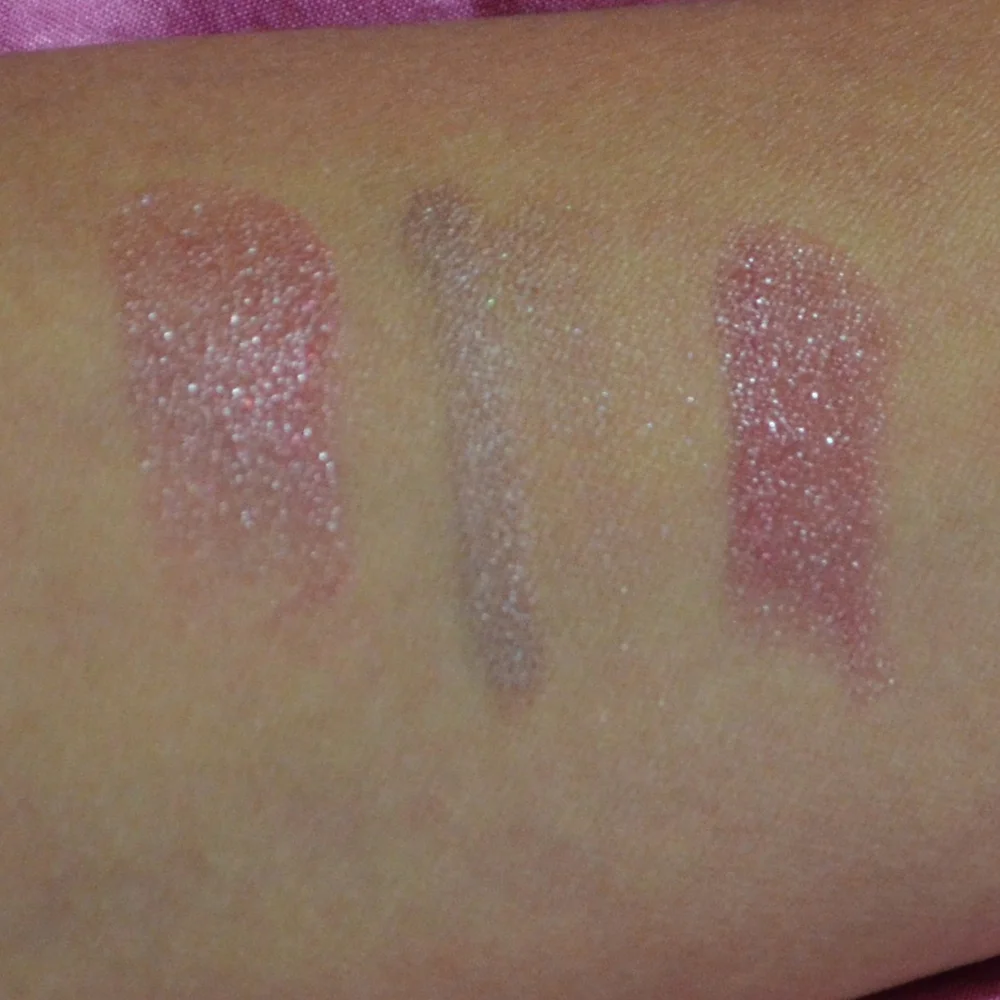
Luxury Beauty Blog
bunny
Honest makeup reviews, product comparisons, FOTD looks, and beauty hauls — from a beauty-obsessed friend who tells it like it is.
Explore the Blog
"I am a major beauty addict, but my biggest challenge is actually using the products I'm obsessing over! I shop frequently, but most days pass and not a speck of makeup goes on my face."
— Joyce, bronzer bunny
Meet Joyce
About bronzer bunny
A beauty journey, one swipe at a time
Joyce started bronzer bunny to share her honest take on luxury and mid-range beauty products. Based near Chicago, she's a self-described beauty addict who loves connecting with fellow enthusiasts. Her blog features in-depth reviews of brands like Chantecaille, Burberry, Tom Ford, Nars, Guerlain, and Tatcha — always with a warm, conversational voice.
Recurring series like Love It or Toss It, Products That Didn't Work for Me, Weekly Rotation, and Lipstick Diaries kept readers coming back for real talk about what's worth the splurge. From FOTD posts to shopping hauls along Chicago's Magnificent Mile, Joyce documented her makeup journey from November 2011 through early 2014.

Cream Versus Powder Highlighter for Oily Skin
Highlighter can make a complexion look fresh, lifted and beautifully dimensional, but the wrong formula may turn shine into visible oil within an hour. For oily skin, the choice between cream and powder is less about following a strict beauty rule and more about balancing finish, texture, climate and the rest of your makeup.
Cream highlighters usually bring a softer, more skin-like glow. They can melt into foundation and create the look of naturally luminous cheekbones, although richer formulas may slide over sebum-prone areas. Powder highlighters offer more control and often last longer, yet an overly dry or glittery texture can draw attention to pores and uneven skin.
Australia adds another factor to the decision. A luminous cream can behave very differently during a humid Brisbane afternoon than it does in dry Canberra weather, while a powder may feel perfect during Melbourne’s cooler months but look heavy over dehydrated skin in winter.
I have tested both textures over mattifying primers, lightweight tints and full-coverage foundations, and the most useful answer is rarely “cream is bad for oily skin” or “powder is always best”. Application technique, particle size, undertone and placement matter just as much as the format.
How Cream Highlighter Behaves On Oily Skin
Cream highlighters contain emollient ingredients that help them spread across the skin and blend into liquid or cream foundation. Their finish is often satin, wet-look or softly glossy rather than obviously sparkly. This is ideal when you want cheekbones to look naturally illuminated instead of coated in shimmer.
The drawback is movement. Natural oil can break down a creamy highlight, particularly around the tops of the cheeks, temples and forehead. In Sydney’s warmer months, a formula that looked polished when applied in the morning may become patchy by late afternoon. Cream can also lift foundation if it is rubbed over the base instead of pressed gently into place.
Cream is still worthwhile for oily complexions when the texture is thin and fast-setting. Balm-like formulas with a tacky finish tend to be less reliable than fluid creams that set to a satin film. I prefer applying a small amount with a fingertip or synthetic brush, then pressing the edges with a damp sponge so the glow fades seamlessly into the foundation.
Why Powder Is Often Easier To Control
Powder highlighter generally gives oily skin greater control over shine because its dry particles sit on top of the base rather than adding another emollient layer. A finely milled formula can create a smooth reflective veil, and it is simple to build from a subtle sheen to a stronger evening glow. Powder is also convenient for touch-ups in a handbag without making the complexion feel wetter.
Longevity depends on the powder itself. Soft, silky formulas tend to wear more evenly than very loose, glitter-heavy ones. Large shimmer particles can catch on enlarged pores and become obvious in direct Australian sunlight. A highlighter that looks refined under indoor lighting may appear sparkly at a beachside café in Bondi.
Powder can emphasise dry patches, flakes or textured acne scars, so oiliness does not automatically make every powder suitable. If the skin is oily but dehydrated, look for a pressed highlighter with a finely milled finish and minimal visible glitter. A small tapered brush will place colour more precisely than a large fluffy brush, which can spread shimmer across the centre of the face.
Cream And Powder Compared
The best format depends on the result you want, the climate you are in and how much maintenance you accept during the day. This comparison reflects typical performance rather than an absolute rule, since formulas differ considerably between luxury, mid-range and drugstore ranges.
| Feature | Cream Highlighter | Powder Highlighter |
|---|---|---|
| Finish | Skin-like, satin or glossy | Satin, metallic or sparkling |
| Oil control | Usually lower | Usually higher |
| Longevity | Moderate, sometimes variable | Often longer and easier to refresh |
| Texture effect | Can smooth the look of surface texture | Can emphasise pores if glittery or dry |
| Best application | Fingers, sponge or synthetic brush | Small tapered or fluffy brush |
| Ideal use | Fresh, natural daytime radiance | Defined glow, layering and touch-ups |
| Main risk | Sliding, separating or lifting base makeup | Looking powdery or highlighting texture |
For everyday oily skin, powder is usually the safer single-product choice. It provides a predictable finish over tinted moisturiser, foundation or concealer and can be applied only where needed. Cream is more appealing when the skin is well-prepped, the weather is mild and the desired effect is a diffused, glossy glow.
Layering can work, but it needs restraint. A thin cream beneath a light powder can increase wear time and create depth, while placing a thick cream under a metallic powder may produce a heavy stripe. In humid Queensland weather, I would generally choose one controlled layer rather than stacking multiple luminous products.
Choosing A Formula That Will Not Emphasise Texture
Ingredient lists can offer useful clues, although the finished formula matters most. Oily skin often benefits from a lightweight cream with fewer rich oils and a powder containing finely milled pigments rather than chunky mica. “Dewy” and “glow” claims are not automatically negative, but they signal that the product may add more slip or shine than you need.
Pay attention to the reflectiveness of the particles. Satin highlighters diffuse light and tend to be forgiving, while high-shine metallic formulas show every raised pore and uneven patch. A pale champagne shade can also look stark on medium or deep skin if the base is too white. Golden bronze, peach, rose gold and neutral champagne shades usually appear more harmonious when chosen according to undertone.
Skincare preparation changes how either format looks. A lightweight, non-greasy moisturiser followed by sunscreen should be allowed to settle before makeup, especially in Australia where daily sun protection is a familiar part of many routines. Highlighter is not a substitute for SPF, and applying a thick reflective product to the nose or forehead can make existing oiliness more noticeable.
For readers shopping locally, shade testing is worth the effort. Mecca, Sephora Australia, department stores and Priceline often have different brands and testers, while online swatches can disguise sparkle and undertone. Checking a product near a window or outside the store is more informative than relying on warm retail lighting.
Application Techniques For A Longer Wear
Start by controlling the base rather than trying to make the highlighter do all the work. Apply a thin layer of moisturiser, let sunscreen set, then use a light mattifying primer only across the areas that become oily fastest. Foundation should be pressed into the skin in a restrained layer; too much product underneath can cause both cream and powder to shift.
For cream, place a small dot on the high points of the cheekbones and tap it outward. Avoid sweeping back and forth, which can dissolve foundation. If the cream remains very glossy, use a clean sponge around the edges or lightly set the surrounding skin with translucent powder, leaving the centre of the highlight untouched.
For powder, remove excess product from the brush before it reaches the face. Press or stipple the highlighter onto the cheekbone instead of buffing it across the entire cheek. I generally avoid the tip and bridge of the nose on oily skin, since those areas often become shiny without assistance. A touch at the inner corner or brow bone may be enough to balance the look.
A setting spray can soften a powder finish, but it will not necessarily improve longevity if the spray is very hydrating or oily. For a long day at work, a blotting paper is more useful than adding another coat of powder over a developing sheen. Press, do not rub, and reapply only where the highlight has genuinely faded.
Adapting The Choice To Australian Weather
Climate can change the result more dramatically than the label on the packaging. In Brisbane and Darwin, heat and humidity can make creamy products feel mobile, while powder may settle more comfortably if the skin has been primed well. A sheer satin powder is often the practical choice for commuting, outdoor lunches and long days where air-conditioning alternates with sticky weather.
Melbourne’s cooler, changeable conditions may suit cream highlighter more often, particularly when the skin is dry from wind or indoor heating. In Adelaide or Canberra, a powder can still work beautifully, but a nourishing moisturiser underneath may prevent it from catching on dry areas. The right formula is seasonal rather than permanently tied to skin type.
Australian habits matter too. A makeup look worn to a wedding, weekend barbecue or spring racing event may face heat, photographs and several hours outside. For those occasions, I prefer a thin cream only if it sets down reliably, topped with a restrained satin powder on the cheekbones. For an office day or a casual trip to the shops, one low-shimmer product is less likely to become excessive.
Price is another local consideration because imported luxury makeup can be expensive after currency conversion. Before paying a premium, I like to check the sale beauty edits for seasonal discounts and compare the texture with less costly alternatives. A $90 highlighter is not automatically better at controlling oil than a finely milled product from a mid-range or pharmacy brand.
Selecting The Right Finish For Your Routine
Choose cream when you value a seamless, fresh finish and are comfortable doing a little maintenance. It is especially attractive for minimal makeup, sheer skin tints and face-of-the-day looks where a hard metallic stripe would feel out of place. Look for a lightweight formula that sets, and keep placement high on the cheek rather than close to the nose.
Choose powder when longevity, precision and easy touch-ups are the priorities. It is usually better for formal events, extended wear and makeup routines that already include a luminous foundation or blush. A satin powder gives oily skin the most flexibility because it can be intensified without immediately looking glittery.
There is also a useful middle ground: a cream-to-powder highlighter. These formulas apply with a little slip but dry to a more fixed finish. They can be easier to wear than a glossy balm, though they still need testing because some become stiff, patchy or overly textured once set.
My personal rule is to match the highlighter to the rest of the complexion. If the foundation is matte and the blush is powder, a restrained cream can bring life back to the skin. If the foundation is radiant or the weather is humid, a finely milled powder usually gives a cleaner, longer-lasting result. Browsing older beauty review archives can also help when comparing how different textures perform across seasons and makeup styles.
For most oily skin types, powder highlighter is the dependable everyday option, while cream is the more atmospheric choice when you want a soft, editorial glow. Neither format needs to be excluded; the finish, setting behaviour and application method determine whether it looks polished or simply adds to existing shine.
Start with a small amount, test it in your usual weather and judge the product after several hours rather than only at the moment of application. A highlighter that still looks smooth after commuting, working and checking your makeup in natural light is a better match than one that dazzles beautifully for the first ten minutes.
Brands featured on bronzer bunny
Luxury & Mid-Range Favorites
Joyce covered an extensive range of beauty brands, from prestige houses to accessible drugstore staples.
Recurring Series
Love It or Toss It • Products That Didn't Work for Me • Weekly Rotation • Saturday Recap • Lipstick Diaries • Makeup Challenge!
JOYCE'S SIGNATURE SERIES KEPT READERS HOOKED
Read the Series