
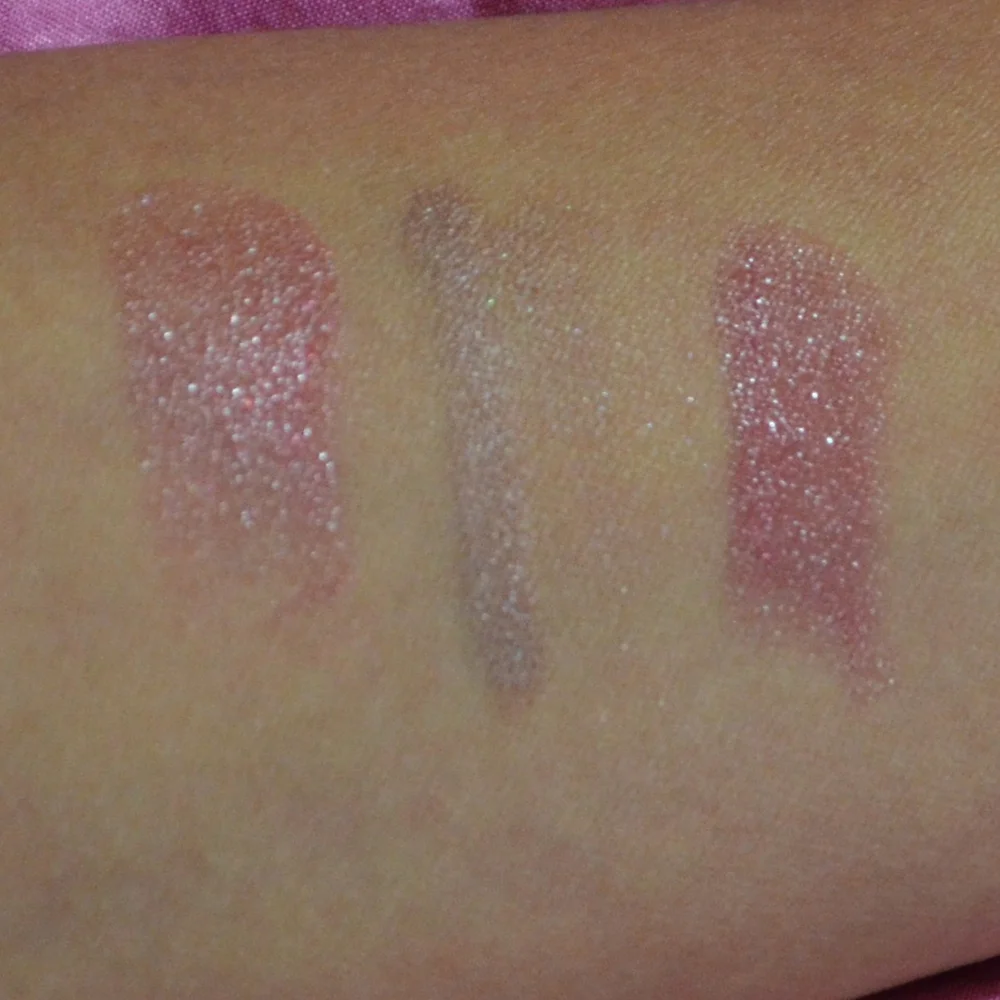
Luxury Beauty Blog
bunny
Honest makeup reviews, product comparisons, FOTD looks, and beauty hauls — from a beauty-obsessed friend who tells it like it is.
Explore the Blog
"I am a major beauty addict, but my biggest challenge is actually using the products I'm obsessing over! I shop frequently, but most days pass and not a speck of makeup goes on my face."
— Joyce, bronzer bunny
Meet Joyce
About bronzer bunny
A beauty journey, one swipe at a time
Joyce started bronzer bunny to share her honest take on luxury and mid-range beauty products. Based near Chicago, she's a self-described beauty addict who loves connecting with fellow enthusiasts. Her blog features in-depth reviews of brands like Chantecaille, Burberry, Tom Ford, Nars, Guerlain, and Tatcha — always with a warm, conversational voice.
Recurring series like Love It or Toss It, Products That Didn't Work for Me, Weekly Rotation, and Lipstick Diaries kept readers coming back for real talk about what's worth the splurge. From FOTD posts to shopping hauls along Chicago's Magnificent Mile, Joyce documented her makeup journey from November 2011 through early 2014.

I tried setting spray between layers and tracked the results
TikTok has a talent for turning an ordinary makeup step into a tiny laboratory experiment. The latest technique I tested involved misting setting spray between layers of complexion makeup instead of waiting until the very end. The idea is simple: apply a thin layer of foundation or concealer, spray, let it dry, and then continue building coverage. Supposedly, this locks each layer in place and creates a smoother, longer-wearing base.
I tested the method during a full day around Chicago, where changing temperatures, indoor heating, errands, and a little winter dryness gave my makeup plenty of opportunities to misbehave. I used products I already know well rather than building the experiment around one unusually long-wearing foundation. That made it easier to judge whether the application technique itself made a meaningful difference.
My goal was not to prove that every viral beauty hack works or fails. I wanted to see whether layering setting spray improved wear time, reduced transfer, changed the finish, or made the overall process more difficult. I also compared it with my usual routine so the results would reflect a real makeup day rather than a carefully controlled studio test.
The viral technique and my baseline routine
For the test, I applied moisturizer, sunscreen, primer, a light layer of foundation, and concealer. Instead of finishing the complexion after blending, I misted setting spray across my face from about eight inches away. I allowed it to dry for roughly one minute before adding another small amount of foundation around my nose, chin, and cheeks.
The spray I used had a fine mist and a natural finish rather than an intensely matte formula. That distinction matters because a heavy, alcohol-rich spray can dry down quickly but may emphasize flaky patches. I also used a damp sponge for the second layer, pressing rather than swiping so I would not disturb the first layer underneath.
My normal routine is less segmented. I apply foundation in one thin layer, add concealer where needed, lightly powder the center of my face, and finish with setting spray. I usually rely on sheer layers and strategic coverage rather than repeatedly adding product. For the comparison, I wore the same foundation, concealer, moisturizer, primer, powder, and blush on separate days whenever possible.
This was also consistent with how I approach other makeup experiments. When I wore the same eyeshadow look for a week, I found that small changes in prep and blending affected my opinion as much as the products themselves; the full experience is recorded in my eyeshadow wear test. A viral method deserves that same practical scrutiny.
How the extra mist changed application
The first noticeable difference was the texture of the base. After the initial mist dried, the foundation felt slightly more anchored and less creamy under my sponge. The second layer did not slide around as much, particularly on the sides of my nose and near my mouth. That helped me build coverage without immediately lifting the makeup beneath it.
The technique worked best when I kept every layer extremely thin. When I applied too much foundation before spraying, the result became tacky rather than set. Adding more product over that surface created a slightly thicker film, and the sponge needed more pressing to blend the edges. The trend looks effortless in short videos, but the order and quantity of each product make a large difference.
There was also a subtle change in the finish. My complexion looked a little more smooth and softly set than it usually does before powder. It was not fully matte, but the natural glow from my skincare was less pronounced. On my cheeks, that was attractive. Around my nostrils, where I tend to have dryness, it was less flattering because the spray made the texture easier to notice.
The drying time became part of the routine as well. I could not rush from one layer to the next. If I sprayed and immediately bounced on more foundation, the sponge picked up some of the first layer and caused patchiness. Waiting until the surface felt dry to the touch produced the cleanest result, which added several minutes to my morning.
Wear time, transfer, and oil control
The biggest promise of this technique is longer wear, and I did see a modest improvement. On a typical day, my foundation starts fading around my nose and lower cheeks after six to seven hours. With setting spray between layers, the makeup still looked present after eight hours, although the improvement was more about even fading than a perfectly fresh finish.
The area around my nose held up particularly well. Usually, rubbing from tissues and natural oil breaks down the foundation there first. On the test day, the coverage became thinner but did not separate into obvious patches. My chin also looked more intact toward the end of the day, while the center of my forehead showed about the same amount of shine as usual.
Transfer was reduced, but it did not disappear. My scarf still picked up some complexion product, and touching my face removed makeup as expected. The technique seems to help the layers bond to each other, not create an invisible barrier against friction. That is a useful distinction because short social videos can make the finish look almost transfer-proof.
Oil control was less dramatic than wear time. The spray slowed down the softening of the foundation, but it did not replace powder or a genuinely oil-controlling primer. By late afternoon, my T-zone was shiny in the same familiar places. A light dusting of loose powder still made the most visible difference there.
The finish at the end of the day was surprisingly natural. Instead of breaking apart in small flakes, the complexion gradually became more skin-like. That was the strongest result for me: the makeup looked worn rather than ruined. Still, anyone hoping for a completely matte, crease-free base may find the viral claim overstated.
What happened with different complexion products
I repeated the technique with a medium-coverage liquid foundation and then with a lighter skin tint. The medium-coverage formula responded best because it had enough pigment to benefit from controlled layering. The first pass evened out redness, while the second pass added coverage only where I needed it. The setting spray helped those two layers remain visually separate instead of turning into a thick, blended mass.
The skin tint was less convincing. Because it already had a sheer, flexible texture, spraying between layers made the application feel more complicated without producing a clearly better result. The tint looked nearly identical by lunchtime whether I used the trick or my normal method. With very fluid products, a quick second layer and careful pressing may accomplish the same thing.
Cream blush and bronzer were another variable. I applied them after the complexion had fully dried, and they blended normally. However, I noticed that a strongly gripping spray could make cream color products catch in one spot if I applied them too soon. Waiting a few minutes or lightly tapping the area with a clean sponge solved the problem.
Powder products were easy to use over the set base, though I needed less powder than usual. The foundation already had a slightly more secure feel, so applying my standard amount left the cheeks looking drier. This is one reason I would avoid copying the trend mechanically. Each added layer changes how much of the next product you need.
| Makeup factor | Usual routine | Setting spray between layers | My read |
|---|---|---|---|
| Application speed | Quick and simple | Slower because each mist must dry | Regular routine wins |
| Coverage building | Can shift if heavily layered | More controlled in thin passes | Viral technique wins |
| Nose and chin wear | Fades earlier | Stayed more even | Viral technique wins |
| T-zone shine | Moderate by afternoon | Still moderate | Essentially tied |
| Dry-area appearance | Usually softer | Can emphasize texture | Regular routine wins |
| Product use | Lower | Slightly higher | Regular routine wins |
| Best use case | Everyday makeup | Long days or events | Depends on occasion |
Skin comfort and the trade-off of more spray
My skin felt comfortable during the day, but I could tell I had applied more setting spray than usual. The formula did not sting or cause immediate redness, yet the overall base felt a little tighter around my cheeks after several hours. That may have been caused by the spray itself, the additional foundation layer, or the dry weather rather than the technique alone.
This is where skin preparation becomes important. A well-moisturized base gave me a much better result than applying the method over bare, dry skin. I would be cautious about using repeated misting when my skin barrier feels compromised, especially with sprays that contain a high amount of alcohol or fragrance. “Long-wearing” should not automatically mean “comfortable for every skin type.”
I also think the skincare conversation needs some perspective. A setting spray can change how makeup behaves, but it is not a substitute for moisturizer, sunscreen, or a gentle routine. Even seemingly luxurious beauty accessories have limited claims; my experience with silk pillowcase benefits reinforced that everyday habits can support comfort without turning a single product into a miracle solution.
For dry or mature skin, I would keep the spray away from areas with visible flaking and use it only through the center of the face or over foundation that tends to move. For oily skin, the technique may be more useful, but a mattifying primer and strategic powder will likely have a larger impact on shine. Combination skin can benefit from a targeted approach instead of a full-face mist between every layer.
The situations where I would use it
I would use this technique for an event, a long workday, travel, or any occasion when I want foundation to fade evenly. It made the most difference when I needed additional coverage over redness and did not want the second pass to disturb the first. The result was polished without looking dramatically heavier.
I would skip it for quick errands, casual makeup, and very sheer skin tints. The extra drying time is not worth it when I am wearing only a small amount of complexion product. My usual method is faster, easier to adjust, and less likely to highlight dry texture.
The method also makes sense for targeted application. Rather than spraying after every section of the face, I would apply a thin first layer everywhere, mist once, and then add coverage only to the places that need it. This preserves the main benefit—better adhesion—without coating the entire face in several rounds of product.
For anyone trying it at home, these are the adjustments that gave me the most reliable finish:
- Use a fine-mist setting spray with a natural or satin finish.
- Apply very thin layers of foundation and allow the spray to dry fully.
- Press the second layer on with a damp sponge instead of rubbing.
- Use less powder than usual, especially over the cheeks.
- Keep the technique away from flaky areas and stop if your skin feels tight or irritated.
My final take on the setting spray trend
The experiment produced a real improvement, but it was a subtle one rather than a transformation. Setting spray between layers helped my foundation adhere, made buildable coverage easier, and kept my nose and chin looking more even late in the day. It did not eliminate shine, prevent all transfer, or make every complexion product last dramatically longer.
For me, the technique earns a place in my event-makeup routine, especially with medium-coverage foundation. I would not make it a mandatory daily step because the slower application and additional product are unnecessary for most mornings. The best version is a simplified one: mist once after the first thin layer, let it dry, and then add coverage selectively.
Viral beauty techniques are most useful when they become flexible tools rather than strict rules. Try the method with your own foundation, pay attention to how your skin feels after several hours, and compare the finish in natural light. If the result gives you smoother wear without dryness, keep it in your rotation; if it adds time without a visible benefit, your regular routine is already doing enough.
Brands featured on bronzer bunny
Luxury & Mid-Range Favorites
Joyce covered an extensive range of beauty brands, from prestige houses to accessible drugstore staples.
Recurring Series
Love It or Toss It • Products That Didn't Work for Me • Weekly Rotation • Saturday Recap • Lipstick Diaries • Makeup Challenge!
JOYCE'S SIGNATURE SERIES KEPT READERS HOOKED
Read the Series