
Luxury Beauty Blog
bunny
Honest makeup reviews, product comparisons, FOTD looks, and beauty hauls — from a beauty-obsessed friend who tells it like it is.
Explore the Blog
"I am a major beauty addict, but my biggest challenge is actually using the products I'm obsessing over! I shop frequently, but most days pass and not a speck of makeup goes on my face."
— Joyce, bronzer bunny
Meet Joyce
About bronzer bunny
A beauty journey, one swipe at a time
Joyce started bronzer bunny to share her honest take on luxury and mid-range beauty products. Based near Chicago, she's a self-described beauty addict who loves connecting with fellow enthusiasts. Her blog features in-depth reviews of brands like Chantecaille, Burberry, Tom Ford, Nars, Guerlain, and Tatcha — always with a warm, conversational voice.
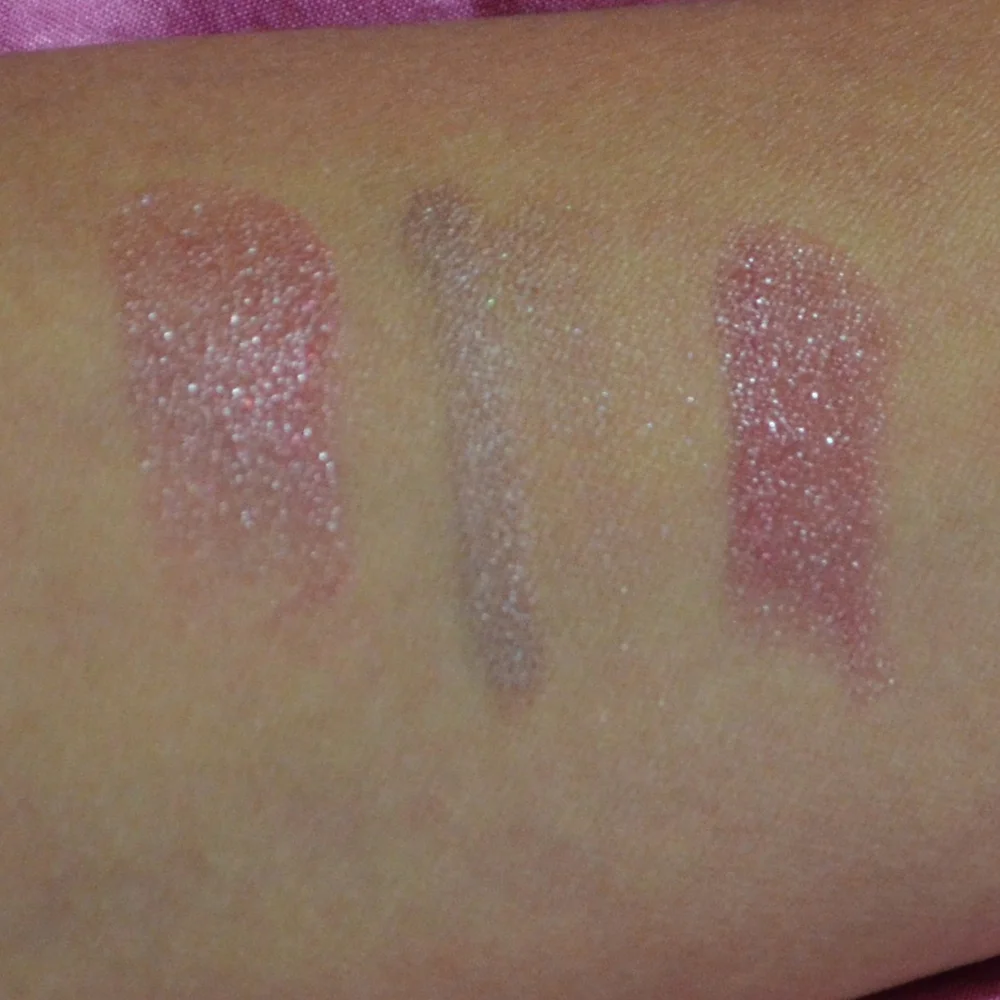
Recurring series like Love It or Toss It, Products That Didn't Work for Me, Weekly Rotation, and Lipstick Diaries kept readers coming back for real talk about what's worth the splurge. From FOTD posts to shopping hauls along Chicago's Magnificent Mile, Joyce documented her makeup journey from November 2011 through early 2014.

How to use glycerin setting spray for fresh, dewy makeup
A luminous complexion can look beautifully polished in natural light, yet the wrong setting spray may leave your face feeling tacky, tight or strangely wet. A formula containing glycerin sits in an especially useful middle ground: it can help makeup look melded and fresh while drawing moisture towards the skin. Used with restraint, it creates the soft sheen associated with healthy skin rather than a layer of obvious product.
The key is to treat glycerin mist as the final texture-adjusting step, not as a substitute for skincare or a way to drench the face. Climate, foundation finish, powder placement and the amount of spray all change the result. In Australia, where a Melbourne winter, a humid Brisbane afternoon and a dry Perth day call for very different makeup strategies, technique matters as much as the bottle.
What glycerin does in a setting spray
Glycerin is a humectant, which means it attracts and holds water around the skin’s surface. In a facial mist, it can soften the powdery look of complexion products and help layers appear more unified. This is why a glycerin setting spray often makes foundation look less flat after powder, particularly around the cheeks and under-eyes.
It does not create radiance in the same way as shimmer, oil or reflective pigments. Instead, it gives skin a flexible, slightly cushioned appearance. A well-balanced formula can leave a satin-to-dewy finish, while a heavily concentrated one may feel sticky, especially when applied generously or layered over rich moisturiser.
Glycerin also works best when there is some water available on the skin. That does not mean applying the mist to a dripping face. A hydrated base, a lightweight moisturiser and a few fine sprays give the humectant something to work with. On very dry skin, a mist alone will not repair flaking or replace a proper barrier-supporting routine.
The rest of the formula matters too. Aloe, panthenol and soothing botanical ingredients may add comfort, while alcohol-heavy formulas can evaporate quickly and create a more weightless feel. Fragrance, essential oils and high levels of film-forming polymers may affect sensitive skin or change how the product wears, so scan the ingredient list if your complexion is reactive.
Prepare the base before reaching for mist
A dewy finish begins before foundation. Apply skincare in thin layers and give each one a moment to settle. A lightweight hydrating serum followed by moisturiser is usually enough for normal or combination skin. If your cheeks are dry, add extra cream only where needed rather than coating the whole face in a rich layer.
Sunscreen is especially important for daytime makeup in Australia, where UV exposure remains a daily concern even when the sky looks overcast. Let your SPF set properly before applying primer or foundation. Rushing through these layers can lead to pilling, and a setting spray cannot smooth away rolled-up sunscreen or patchy base makeup.
Choose complexion products according to the finish you want. A natural or satin foundation pairs easily with a glycerin mist. A full-matte base can become attractive and skin-like after spraying, but too much product may loosen coverage around the nose and mouth. If you already use a radiant primer, illuminating foundation and cream bronzer, keep the spray light so the result stays fresh rather than greasy.
For a long day at a Sydney office, a wedding in Adelaide or a warm afternoon at a Gold Coast café, consider where makeup needs to remain stable. Use gripping primer or targeted powder for areas that crease and reserve the glow for the high points of the face. This gives the mist a controlled role instead of asking it to solve every wear problem.
Apply the spray in thin, even layers
Shake the bottle first, particularly if the formula contains oils, pigments or ingredients that settle. Hold it around 20 to 30 centimetres from your face. A closer distance can create large droplets and wet patches, while holding it too far away may send most of the product into the air.
Start with two or three light sprays in a loose X shape, followed by one across the centre if necessary. Keep your eyes and mouth closed, and avoid inhaling as the mist lands. The skin should look lightly damp for a few seconds, not soaked. If you can see beads running down your cheeks, you have applied too much.
Allow the spray to dry naturally. Fanning your face may feel pleasant, but vigorous air can make the product dry unevenly. If a droplet lands in one spot, press it gently with a clean damp sponge rather than rubbing. This helps fuse the layers without disturbing concealer or blush.
For extra glow, add a second very fine layer once the first has settled. Concentrate it on the outer cheeks and forehead, leaving the nose and chin more lightly coated. This targeted approach is especially helpful in humid places such as Darwin, where a full-face wet finish can quickly turn into visible shine.
Keep stickiness under control
The simplest way to prevent tackiness is to use less product. Glycerin sprays are easy to overapply because the first mist can feel subtle, tempting you to keep going. Give the initial layer a minute to dry before deciding whether you need more. Many formulas become less noticeable as they set.
Powder placement also makes a difference. Instead of dusting a thick layer across the entire face, use a small fluffy brush or velvety puff around the sides of the nose, between the brows, along the jaw and over the centre of the chin. Leave the cheekbones and temples more lightly powdered so the setting spray can bring back dimension.
If your skin feels tacky after drying, press a clean, dry sponge over the area. The sponge absorbs excess surface moisture without adding more coverage. You can also use a small amount of translucent powder, pressed rather than swept, to reduce grip while preserving the underlying glow.
Product compatibility is worth testing before a special event. Some sprays contain film-formers that grip beautifully over one foundation but separate over another. Try the full combination on your jaw or cheek several hours ahead. The beauty disclaimer is also worth reading when assessing product claims, sponsored content or individual wear experiences, since skin and conditions vary considerably.
Adjust the technique for skin type and weather
Dry and dehydrated skin usually benefits from a hydrating base, creamy cheek products and a light finishing mist. Avoid spraying repeatedly throughout the day, as repeated moisture can disturb foundation. Instead, refresh with a small amount on a sponge and press it into the cheeks, where the complexion often looks dull first.
Combination and oily skin can still wear a dewy finish successfully. Keep skincare light, mattify the T-zone strategically and apply the glycerin spray mainly to the perimeter of the face. A soft-matte foundation through the centre with luminous cheeks often looks more realistic than an equally shiny finish everywhere.
In a dry Canberra winter or a heated indoor environment, the mist may feel comfortable and make powder less obvious. In Queensland humidity, however, the same amount may remain tacky for longer. Use fewer sprays, wait longer between layers and keep blotting papers nearby. Blotting removes oil without piling on more powder, which can otherwise make the face look heavy.
Wind and heat create their own problems. A blustery day in Wellington Point or an outdoor event near Bondi can make eyes water and loosen makeup around the nose. Waterproof mascara, tubing formulas and targeted setting products may be more useful than increasing the amount of facial mist. The spray should support the makeup, not act as its only defence.
Make the finish work with the rest of your makeup
Cream blush and bronzer generally blend beautifully with a dewy setting spray because the mist softens edges and helps powdery layers sit together. Apply cream products before powder, then use the spray once the complexion is complete. If you place highlighter after the mist, tap it on sparingly so the sheen remains refined.
Powder blush and bronzer can also work well, especially when the colour has been applied with a light hand. Spray from a distance and allow the face to settle before judging the final intensity. Moisture can make some powder pigments appear deeper for a moment, so avoid immediately adding more colour.
For an understated glow, place radiance on the high points rather than across the entire face: upper cheekbones, the bridge of the nose and a touch above the brows. Avoid adding shine to textured areas if that is a concern. Glycerin will already give the skin a more supple appearance, so a strong metallic highlighter may be unnecessary.
Your setting spray can be part of a practical touch-up routine, too. Carry a small amount of powder for the T-zone and use a tissue to press away oil before misting. A useful beauty blog can offer inspiration for different finishes, but personal testing remains essential because a product that wears beautifully on one person may feel too rich on another.
Test wear time before relying on it
A dewy setting spray should be judged after several hours, not just immediately after application. Check the base after commuting, working indoors, eating and moving through different temperatures. Look for separation around the nostrils, creasing beneath the eyes, fading blush and areas where the skin feels uncomfortable.
Take a quick photo in daylight rather than relying only on a bathroom mirror. Indoor lighting can make excess shine appear flattering, while phone flash may exaggerate texture. Natural light near a window gives a more useful indication of whether the finish looks moisturised or simply wet.
If makeup fades quickly, separate the problem from the spray. Foundation type, skin preparation, facial oils, touching the face and humidity may all be involved. A glycerin mist can improve the appearance of layers, but it cannot make every formula transfer-proof. For long events, apply durable base products selectively and use the spray as the final softening step.
Also consider how the product feels at the end of the day. A radiant finish is not successful if it makes you want to wash your face after an hour. Patch-test new formulas, particularly if you have eczema-prone or sensitised skin, and stop using one that causes burning, persistent redness or itching. Comfort is part of performance.
Use two or three sprays over a well-prepared base, allow them to settle, and assess the finish in natural light before adding more. With that measured approach, glycerin can turn powdery makeup into a fresh, flexible complexion while keeping the glow polished rather than sticky. Save the technique that works for your skin, climate and favourite products, then make it part of your everyday makeup routine.
Brands featured on bronzer bunny
Luxury & Mid-Range Favorites
Joyce covered an extensive range of beauty brands, from prestige houses to accessible drugstore staples.

Recurring Series
Love It or Toss It • Products That Didn't Work for Me • Weekly Rotation • Saturday Recap • Lipstick Diaries • Makeup Challenge!
JOYCE'S SIGNATURE SERIES KEPT READERS HOOKED
Read the Series