
Luxury Beauty Blog
bunny
Honest makeup reviews, product comparisons, FOTD looks, and beauty hauls — from a beauty-obsessed friend who tells it like it is.
Explore the Blog
"I am a major beauty addict, but my biggest challenge is actually using the products I'm obsessing over! I shop frequently, but most days pass and not a speck of makeup goes on my face."
— Joyce, bronzer bunny
Meet Joyce
About bronzer bunny
A beauty journey, one swipe at a time
Joyce started bronzer bunny to share her honest take on luxury and mid-range beauty products. Based near Chicago, she's a self-described beauty addict who loves connecting with fellow enthusiasts. Her blog features in-depth reviews of brands like Chantecaille, Burberry, Tom Ford, Nars, Guerlain, and Tatcha — always with a warm, conversational voice.
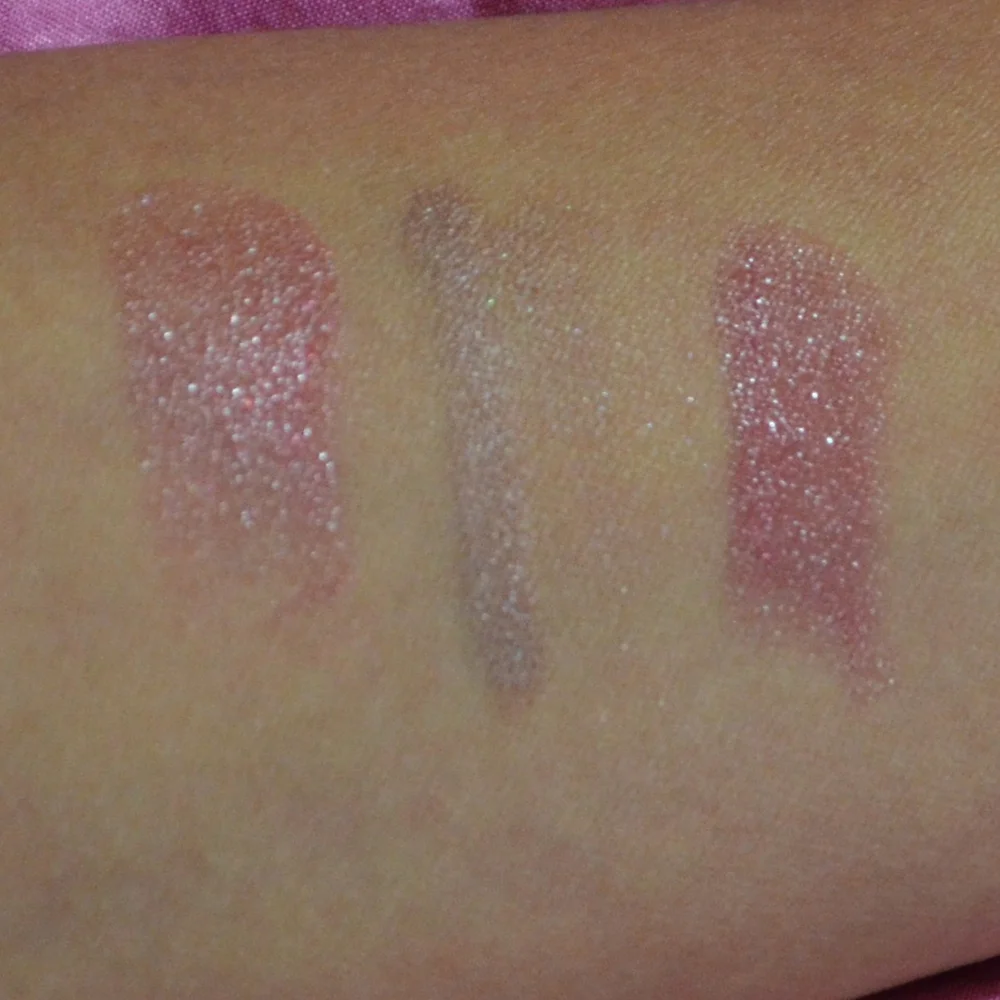
Recurring series like Love It or Toss It, Products That Didn't Work for Me, Weekly Rotation, and Lipstick Diaries kept readers coming back for real talk about what's worth the splurge. From FOTD posts to shopping hauls along Chicago's Magnificent Mile, Joyce documented her makeup journey from November 2011 through early 2014.

How to Reapply SPF Over Makeup Without Ruining Your Look
Reapplying sunscreen is easy when you are bare-faced, but a full layer of foundation, concealer, cream blush and powder changes the equation. Rubbing a thick lotion across that carefully blended base can lift pigment, separate texture and leave the complexion looking patchy. Still, skipping your top-up is a poor trade, especially when you are outdoors for hours.
The most polished approach combines a reliable morning sunscreen layer with a reapplication method suited to your plans, skin type and makeup finish. Liquid sunscreen, compact formulas, sticks, cushions and powders all have a place, although they do not offer identical coverage. The trick is knowing which option gives you meaningful protection and which is better treated as a convenient finishing touch.
| Reapplication option | Best for | Finish | Important limitation |
|---|---|---|---|
| Lightweight liquid SPF | Longer outdoor periods and dry skin | Natural or dewy | Needs careful pressing to avoid moving makeup |
| SPF cushion or compact | Even coverage over foundation | Natural to satin | Can transfer colour onto the applicator |
| Sunscreen stick | Small areas, touch-ups and travel | Balmy | Easy to apply too little |
| Powder SPF | Shine control and quick maintenance | Matte | Difficult to use in enough quantity alone |
| SPF mist | Hairline, neck and quick refreshes | Light, variable | Uneven coverage is common |
Set Up Your Morning Base
A good reapplication routine begins before makeup goes on. Use a broad-spectrum, water-resistant SPF 50+ sunscreen as the main protective layer, applying it generously to the face, ears, neck and any exposed chest. Give it several minutes to settle before foundation. This reduces pilling and makes later touch-ups less disruptive.
For practical face coverage, divide sunscreen into two thin passes rather than trying to massage one heavy layer into the skin. A generous amount still matters, but a short pause between layers can create a smoother surface. Remember that a foundation labelled SPF 15 or SPF 30 is an extra benefit, not a replacement for dedicated sunscreen.
Australian conditions make this preparation particularly important. UV can be high even when the weather feels mild, and a cloudy morning in Melbourne or a bright winter day in Sydney is not automatically low-risk. Check the UV Index rather than judging protection needs by temperature. If you are heading to the beach, walking around Bondi, gardening or attending a weekend footy match, plan to reapply after sweating, swimming, towelling your face or spending prolonged time outside.
Before reaching for more SPF, remove excess oil from the T-zone with a tissue or clean blotting paper. Do not scrub. Pressing away shine gives the new sunscreen a better chance of sitting on the skin instead of sliding over foundation.
Press On Liquid Sunscreen
A fluid or gel sunscreen can work over makeup when you apply it with a light hand. Dispense a small amount onto the back of your hand, then use clean fingertips or a damp makeup sponge to press it into the skin. Avoid dragging motions, particularly around the nose, under-eyes and areas with cream blush.
Work in sections: forehead, cheeks, nose and chin. Tap until the edges soften, allowing each section a moment to settle before moving on. A slightly dewy finish is normal at first. If the product remains visibly wet, gently press a tissue over the surface and restore a little powder only where needed.
This method is most useful when you are staying out for a substantial part of the day and want a meaningful sunscreen top-up. It can disturb makeup less than expected if your base is thin and flexible. Heavy, full-coverage foundation is harder to preserve, so consider wearing a sheer skin tint or spot-concealing only in areas that need extra coverage.
If your skin is dry or sensitive, choose a hydrating formula with ingredients such as glycerin, squalane or soothing humectants. Avoid applying an unfamiliar sunscreen over makeup for the first time before an important event. Fragrance, alcohol or rich emollients can cause stinging, congestion or unwanted shine, and a touch-up is a poor moment to discover that reaction.
Use Cushions And Sticks Strategically
An SPF cushion or compact can be one of the easiest ways to refresh a complexion. The puff distributes a thin layer with tapping motions, so there is less rubbing than with fingers. Start at the centre of the face and bounce outward, concentrating on exposed zones such as the cheeks, forehead and bridge of the nose.
Cushion formulas are especially convenient for handbags, office drawers and road trips. They can add a veil of coverage while reviving faded foundation. Choose a shade close to your base rather than relying on a much lighter sunscreen compact, which may leave a pale cast or emphasise dry patches. Clean the puff regularly and never share it, since repeated contact with skin, oil and makeup creates a less hygienic environment.
A sunscreen stick is better for targeted areas than for covering the entire face. Glide it gently over the tops of the cheeks, nose, temples and forehead, then tap the edges with a clean sponge or fingertip. It is useful for a quick reapplication during a café walk, coastal outing or lunch break, and it travels well in an Australian handbag.
Because sticks are dense, several passes may be required to apply enough product. They can also move cream bronzer or blush if swept repeatedly across the same spot. Use a stick as a practical top-up, not permission to replace your generous first sunscreen layer with a barely visible swipe.
Treat Powder And Mist As Support
Powder sunscreen is appealing when you want to control shine without disturbing makeup. It can soften the look of oil on the forehead and nose, and the brush format is convenient for reapplying around the hairline. However, it is difficult to deposit the amount needed for the SPF claim using a light dusting. A few quick strokes are unlikely to equal a complete sunscreen layer.
Use powder SPF as an additional layer over a proper sunscreen base, especially for brief periods outdoors or to maintain a matte finish. Load the brush thoroughly, tap off only loose excess and work in repeated passes. Wash the brush according to the manufacturer’s instructions. If the product is transparent, do not assume that an invisible result means adequate coverage.
SPF mist can feel refreshing, especially after a warm commute, but sprays often settle unevenly and may miss the sides of the face. Spray into your hands first when the instructions allow, then press it over the skin. Keep your eyes and mouth closed, avoid inhaling the mist and never spray close to the eyes.
For additional guidance on choosing products that genuinely earn their place in a routine, my overhyped beauty product discussion is a useful reminder to look beyond clever packaging and impressive claims. With SPF, texture and convenience matter, but the formula also needs to be used generously and consistently.
Repair Makeup After Sunscreen
Even the gentlest sunscreen application can soften makeup. Keep a small kit with blotting papers, a mini sponge, cotton buds, a pressed powder and a cream or liquid cheek product. This lets you correct specific areas rather than rebuilding your whole face.
If foundation has separated around the nose, first press away oil and lift any loose product with a cotton bud. Add a tiny amount of concealer only where necessary, blending the edges with a clean sponge. If blush has disappeared, tap a little cream colour over the cheek and set the centre of the face with powder. Avoid piling powder over wet sunscreen, as the combination can become thick and textured.
For a more substantial sunscreen renewal, accept that some makeup may need to come off. Use micellar water or a gentle cleansing wipe on the areas that are heavily layered, apply sunscreen to clean skin and then spot-correct. You do not need to remove every trace of makeup from your entire face if only the nose, cheeks and forehead require attention.
The eye area needs particular care. Sunscreen sticks and rich creams can migrate into the eyes with heat and perspiration, while powder can settle into fine lines. Leave a small buffer around the lash line, use a dedicated eye-area sunscreen only if it is comfortable for you and wear sunglasses and a broad-brimmed hat for physical protection.
Adapt The Routine To Australian Days
Your reapplication plan should match the day rather than follow a single beauty rule. For a short office commute, a morning SPF 50+ layer followed by a compact or cushion at lunch may be practical. For a long day at St Kilda Beach, the Gold Coast or the Western Australian coast, makeup should be kept minimal and water-resistant sunscreen should be reapplied generously after swimming and towelling.
Sweat changes the order of operations. Blot gently, rinse with fresh water if possible, pat dry and then reapply sunscreen. Putting new product over a salty, sweaty film can sting and create uneven coverage. A hat, sunglasses, shade and clothing with a high neckline reduce the amount of exposed skin that sunscreen must protect, which is particularly helpful during the harsh middle of the day.
The local market offers plenty of choice, from pharmacy staples to premium formulas at Mecca, Adore Beauty and department stores. Australian sunscreens are regulated as therapeutic goods, but the most expensive option is not automatically the best one for reapplication. A comfortable, affordable formula that you will use in the recommended amount can be more valuable than a luxury product that pills under makeup or feels too greasy.
Skincare underneath also affects the result. Avoid layering strong exfoliating acids or retinoids immediately before a long, sunny outing if your skin is already sensitive. If you are comparing exfoliating products, this exfoliating powder comparison offers useful context on why gentler choices can make a routine easier to tolerate. Calm, well-moisturised skin generally accepts sunscreen and makeup with less flaking.
A polished touch-up does not require perfect preservation of every layer. Use a substantial morning sunscreen application, choose a reapplication format you can realistically carry, press rather than rub, and keep makeup repair targeted. For everyday wear, a cushion or carefully applied fluid may give the best balance; for beach days, simplify the base and prioritise generous water-resistant sunscreen.
Build a small SPF touch-up kit that suits your routine, then test it on an ordinary day before relying on it for a holiday or outdoor event. Consistent protection, comfortable textures and a few deliberate taps will keep your complexion presentable while giving your skin the care it needs.
Brands featured on bronzer bunny
Luxury & Mid-Range Favorites
Joyce covered an extensive range of beauty brands, from prestige houses to accessible drugstore staples.
Recurring Series
Love It or Toss It • Products That Didn't Work for Me • Weekly Rotation • Saturday Recap • Lipstick Diaries • Makeup Challenge!
JOYCE'S SIGNATURE SERIES KEPT READERS HOOKED
Read the Series