
Luxury Beauty Blog
bunny
Honest makeup reviews, product comparisons, FOTD looks, and beauty hauls — from a beauty-obsessed friend who tells it like it is.
Explore the Blog
"I am a major beauty addict, but my biggest challenge is actually using the products I'm obsessing over! I shop frequently, but most days pass and not a speck of makeup goes on my face."
— Joyce, bronzer bunny
Meet Joyce
About bronzer bunny
A beauty journey, one swipe at a time
Joyce started bronzer bunny to share her honest take on luxury and mid-range beauty products. Based near Chicago, she's a self-described beauty addict who loves connecting with fellow enthusiasts. Her blog features in-depth reviews of brands like Chantecaille, Burberry, Tom Ford, Nars, Guerlain, and Tatcha — always with a warm, conversational voice.
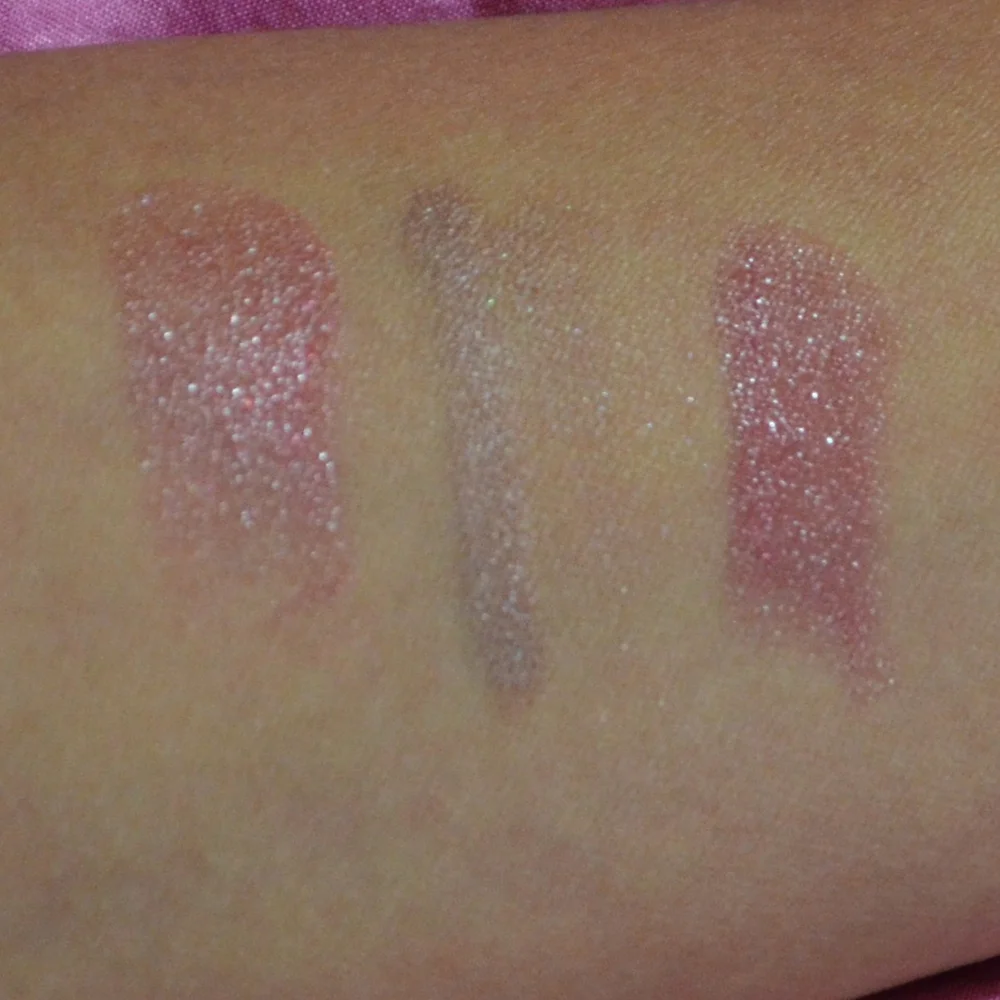
Recurring series like Love It or Toss It, Products That Didn't Work for Me, Weekly Rotation, and Lipstick Diaries kept readers coming back for real talk about what's worth the splurge. From FOTD posts to shopping hauls along Chicago's Magnificent Mile, Joyce documented her makeup journey from November 2011 through early 2014.

How to Layer Skincare and Makeup Without Pilling
Few makeup problems are more frustrating than watching a smooth complexion turn into tiny rolls of product. Pilling can appear around the nose, across the cheeks, or wherever skincare and foundation meet. It may look like dry skin, but the cause is often a mismatch in formulas, too much product, or insufficient time between layers.
The fix is rarely about buying an entirely new routine. Small changes to application order, quantity, texture, and drying time can make a dramatic difference. Once each product has a clear role and enough time to settle, complexion makeup is more likely to glide on evenly and stay fresh.
This guide focuses on real-world layering: cleanser, treatment, moisturizer, sunscreen, primer, foundation, and the products that finish a look. The goal is a routine that feels comfortable, protects the skin, and creates a smooth base without sacrificing skincare benefits.
Why Skincare Starts To Pill
Pilling happens when product films rub against one another instead of forming a uniform layer. Silicone-heavy primers, rich creams, mineral sunscreen, gel moisturizers, and certain polymers can all create a surface that rolls when disturbed. The issue is often physical rather than a sign that a product is ineffective.
Too much product is one of the most common causes. A generous amount of serum may feel beneficial, but several layers of excess remain on the skin as a soft, slippery coating. When you massage moisturizer or primer over that coating, the friction gathers it into little balls.
Application technique matters as well. Vigorous rubbing, repeated blending, and wiping with a makeup sponge can lift products that have already begun to set. Flaking from dehydration, leftover cleanser, or loose skin cells can add to the texture, making it difficult to determine whether the problem is pilling or surface dryness.
Prepare Skin With Less Product
Start with clean, gently dried skin. If your face feels tight after cleansing, use a mild hydrating toner or essence, but apply a thin layer with your hands rather than soaking a cotton pad. Press it in and give it a moment to absorb before moving to treatment products.
Serums should be applied according to their texture, from the most watery to the thickest. Two or three drops are usually enough for the entire face. Spread the product between your fingertips, press it over the skin, and avoid repeatedly massaging the same areas. Water-based hydrators often work well beneath makeup, while sticky formulas may need extra time before the next step.
Moisturizer should soften and support the skin barrier without leaving a heavy film. Use less around the forehead and nose if those areas become shiny or prone to rolling. Drier cheeks may need a little more, but applying one thick coat everywhere can make foundation slide and encourage primer to separate.
Sunscreen is the final skincare layer in the morning. Apply the recommended amount in two thin passes instead of trying to work a large blob into the face at once. Let the first pass settle before adding the second, then pause before beginning makeup. This is especially important with mineral SPF, which can be more prone to friction-related residue.
Match Formulas Before Blending
Formula compatibility can be easier to understand when you think in terms of texture and finish rather than marketing claims. Water-based products tend to pair naturally with lightweight emulsions, while silicone-based primers can sit beautifully over a well-set moisturizer but may react poorly with a tacky, film-forming serum.
This does not mean every product must share the same ingredient base. A silicone primer can work over a water-based moisturizer if the moisturizer has absorbed fully. The real warning signs are a sticky surface, visible residue, or a layer that moves when you lightly tap it.
| Product pairing | What can happen | Better approach |
|---|---|---|
| Rich cream under gripping primer | The primer drags or rolls | Use a smaller amount of cream and wait longer |
| Tacky serum under full-coverage foundation | Foundation gathers in patches | Seal with a light moisturizer or skip the serum |
| Mineral sunscreen under a rubbing application | White residue and flakes appear | Press sunscreen in and allow it to set |
| Silicone primer over damp skincare | Slipping and uneven texture | Apply primer only after the surface feels dry |
| Powder over a wet, emollient base | Caking and lifted patches | Blot first, then use a thin veil of powder |
| Multiple hydrating layers in a humid climate | Persistent stickiness | Simplify the routine and reduce quantities |
Patch-testing combinations on the jawline or one side of the face can save time. Apply the full morning routine to a small area, wait ten minutes, and gently sweep a clean finger across it. If it rolls before makeup is added, the skincare sequence needs adjusting.
When a combination pills, change one variable at a time. Remove the primer first, then test a smaller amount of moisturizer, then test a longer wait. Changing several products simultaneously can hide the actual source of the problem.
Give Each Layer Time To Set
There is no universal number of minutes that every skincare product requires. A thin hydrating serum may settle quickly, while a rich cream or sunscreen can need several minutes. Instead of watching the clock, check the finish. Skin should feel comfortable and lightly hydrated, not wet, slippery, or visibly coated.
A practical morning routine might look like this: cleanse, apply treatment, wait briefly, moisturize, allow the moisturizer to settle, apply sunscreen, then take a few minutes for coffee or hair styling before starting makeup. That built-in pause is often enough to prevent the base from becoming unstable.
Blotting can help when sunscreen or moisturizer leaves excess shine. Use a single-ply tissue or clean blotting paper and press lightly over the center of the face. Do not wipe, because wiping removes the very layer you are trying to preserve and may create uneven protection.
Makeup should be pressed and bounced onto the skin rather than aggressively buffed over it. A damp sponge can be useful for thin foundation, but squeeze it thoroughly first. A dense brush may offer better control when the skin has a delicate sunscreen film that you do not want to disturb.
Apply Makeup In Thin, Flexible Layers
Primer is optional, not an automatic requirement. If foundation already wears well over sunscreen, adding another layer may create more opportunity for pilling. Use primer selectively: smoothing primer on the pores around the nose, gripping primer on areas where makeup fades, or illuminating primer on the high points of the face.
When using primer, place a pea-sized amount only where needed. Warm it between the fingers, press it into the skin, and stop blending once the surface looks even. Give it a short setting period before applying complexion makeup. Overworking primer can cause it to roll before foundation has a chance to cover it.
Foundation is less likely to pill when applied in thin coats. Start at the center of the face, where coverage is usually most useful, and blend outward. Add a second layer only to redness or discoloration that remains visible. Sheer layers also preserve the skin’s natural finish and reduce the heavy, textured look that can develop when too much base makeup is used.
Concealer should be placed after foundation wherever possible. This prevents unnecessary product buildup and lets you see how much coverage is actually needed. Tap rather than swipe, especially around the nose, under the eyes, and over blemishes. If concealer begins to ball up, remove the small area with a cotton swab, apply the thinnest touch of moisturizer, and let it settle before trying again.
A well-edited makeup bag makes this process easier because fewer products mean fewer formula interactions. For travel, a practical capsule makeup bag can keep the base routine streamlined and reduce the temptation to layer unnecessary complexion products.
Troubleshoot Texture During The Day
If pilling appears after several hours rather than immediately, the issue may involve oil, sweat, friction, or reapplication. Touching the face, wearing a mask, resting your hand on your cheek, and rubbing around the nose can break up even a well-prepared base.
Before adding more foundation or powder, blot oil and inspect the area. If the product has gathered into small rolls, use a clean fingertip to lift them away gently. Press a tiny amount of concealer over the bare spot, then set it with a minimal amount of finely milled powder. Adding several new layers usually makes the texture more obvious.
Dry flakes require a different solution. Scrubbing the face during the day can increase irritation, so remove loose makeup carefully and use a small amount of a lightweight moisturizer or hydrating mist if appropriate. For future applications, address exfoliation and barrier care on a separate evening rather than trying to correct roughness with extra primer.
Seasonal changes may require a different base routine. Cold Chicago winters can make cheeks drier and more sensitive, while summer heat and humidity may call for fewer skincare layers and a lighter moisturizer. A routine that works perfectly in January may feel too film-heavy in July.
Make Luxury Products Earn Their Place
Price does not guarantee pilling-free performance. A luxury primer may have an elegant texture, but it still needs to cooperate with the sunscreen and foundation underneath. Likewise, a drugstore moisturizer may create a smoother makeup base than a richer prestige cream if its finish is lighter and more compatible with your routine.
Eye makeup deserves the same careful approach. If you are investing in a prestige palette, an honest look at Tom Ford eyeshadow quads can help separate beautiful packaging and refined color stories from performance that genuinely suits your habits. Use the same standard for complexion products: texture, longevity, ease of application, and value matter more than the label.
Keep a brief record when testing a new combination. Note the skincare products, primer, foundation, weather, application tools, and when texture first appeared. Beauty testing becomes much more useful when it reflects actual wear rather than a single impression in bright bathroom lighting.
For more personal product testing and routine ideas, the wider beauty review archive offers useful context across luxury, mid-range, and drugstore formulas. Comparing finishes and wear experiences can help you identify whether your issue is a single product or the way several layers interact.
A Simple Routine For A Smooth Base
Use these habits as a starting point when your makeup regularly pills:
- Keep the morning routine focused on cleanser, essential treatment, moisturizer, and sunscreen.
- Apply smaller amounts, especially with serums, rich creams, gripping primers, and illuminating bases.
- Press products into the skin instead of rubbing them back and forth.
- Wait until each layer feels settled before adding the next one.
- Test questionable skincare and makeup combinations on the jawline before wearing them for a full day.
The most reliable routine is usually the one you can repeat without fuss. A comfortable cleanser, a compatible moisturizer, a properly applied sunscreen, and a thin complexion layer may perform better than a ten-step sequence filled with overlapping textures. If your skin needs more hydration, build it into evening care so the morning base remains light.
When pilling continues, strip the routine back to sunscreen and foundation for one day, then reintroduce products one at a time. This simple reset can reveal whether the culprit is a serum, moisturizer, primer, or application method. Once you identify it, you can keep the products that genuinely improve your skin and leave the rest out of the makeup routine.
Smooth makeup is less about perfect formulas than thoughtful layering. Start with a clean surface, use modest quantities, allow time for setting, and treat each product gently. Test your complete routine in real conditions, especially before an event, then save the combinations that give you even coverage and comfortable wear from morning through the end of the day.
Brands featured on bronzer bunny
Luxury & Mid-Range Favorites
Joyce covered an extensive range of beauty brands, from prestige houses to accessible drugstore staples.

Recurring Series
Love It or Toss It • Products That Didn't Work for Me • Weekly Rotation • Saturday Recap • Lipstick Diaries • Makeup Challenge!
JOYCE'S SIGNATURE SERIES KEPT READERS HOOKED
Read the Series