
Luxury Beauty Blog
bunny
Honest makeup reviews, product comparisons, FOTD looks, and beauty hauls — from a beauty-obsessed friend who tells it like it is.
Explore the Blog
"I am a major beauty addict, but my biggest challenge is actually using the products I'm obsessing over! I shop frequently, but most days pass and not a speck of makeup goes on my face."
— Joyce, bronzer bunny
Meet Joyce
About bronzer bunny
A beauty journey, one swipe at a time
Joyce started bronzer bunny to share her honest take on luxury and mid-range beauty products. Based near Chicago, she's a self-described beauty addict who loves connecting with fellow enthusiasts. Her blog features in-depth reviews of brands like Chantecaille, Burberry, Tom Ford, Nars, Guerlain, and Tatcha — always with a warm, conversational voice.
Recurring series like Love It or Toss It, Products That Didn't Work for Me, Weekly Rotation, and Lipstick Diaries kept readers coming back for real talk about what's worth the splurge. From FOTD posts to shopping hauls along Chicago's Magnificent Mile, Joyce documented her makeup journey from November 2011 through early 2014.

MAC and NYX Eye Shadows for Pigment Payoff
When an eyeshadow promises intense colour, the pan usually tells only part of the story. A shade can look rich under shop lighting yet apply sheer, patchy or unexpectedly dull on the eyelid. Comparing MAC and NYX eye shadows for pigment payoff means looking beyond a single arm swatch and considering texture, buildability, undertone, blending and wear.
Both brands offer extensive shade ranges, from soft mattes and satin neutrals to metallics, glitters and dramatic jewel tones. MAC sits in the prestige space and is widely available through Australian counters and retailers, while NYX often appeals to shoppers seeking trend-led colour at a lower price. The more useful question is not simply which brand is stronger, but which formula gives the finish and application experience you actually want.
Pigment begins with the formula
MAC eyeshadows have a reputation for dependable colour selection and professional versatility. Their matte formulas are often finely milled, allowing a controlled wash of colour that can be intensified gradually. This is valuable for everyday makeup, especially when working with shades such as soft brown, muted plum or warm terracotta. A single pass may look understated, but a second or third layer can create a saturated result without immediately becoming heavy.
The brand’s more reflective finishes can deliver stronger impact from the first touch. Foiled, frost and metallic shades generally show their character quickly, particularly when applied with a fingertip or a slightly damp flat brush. Some older or more traditional MAC finishes vary in intensity, so the name on the compact does not guarantee the same payoff across every texture.
NYX takes a more varied approach because its ranges include pressed palettes, single shadows, glittery toppers and highly reflective metallics. Certain NYX palettes are designed to look vivid with minimal effort, while some lighter mattes need layering to become opaque. This inconsistency is worth remembering when comparing a complete palette rather than a single favourite shade.
The strongest NYX performers can look remarkably bold for their price, especially in saturated purple, cobalt, copper and emerald colour families. A creamy shimmer or metallic may rival a higher-priced shadow for visual intensity. The difference often appears during application: the NYX shade may require a tacky base, fingertip placement or careful packing to reach its best finish.
Swatches can flatter both brands
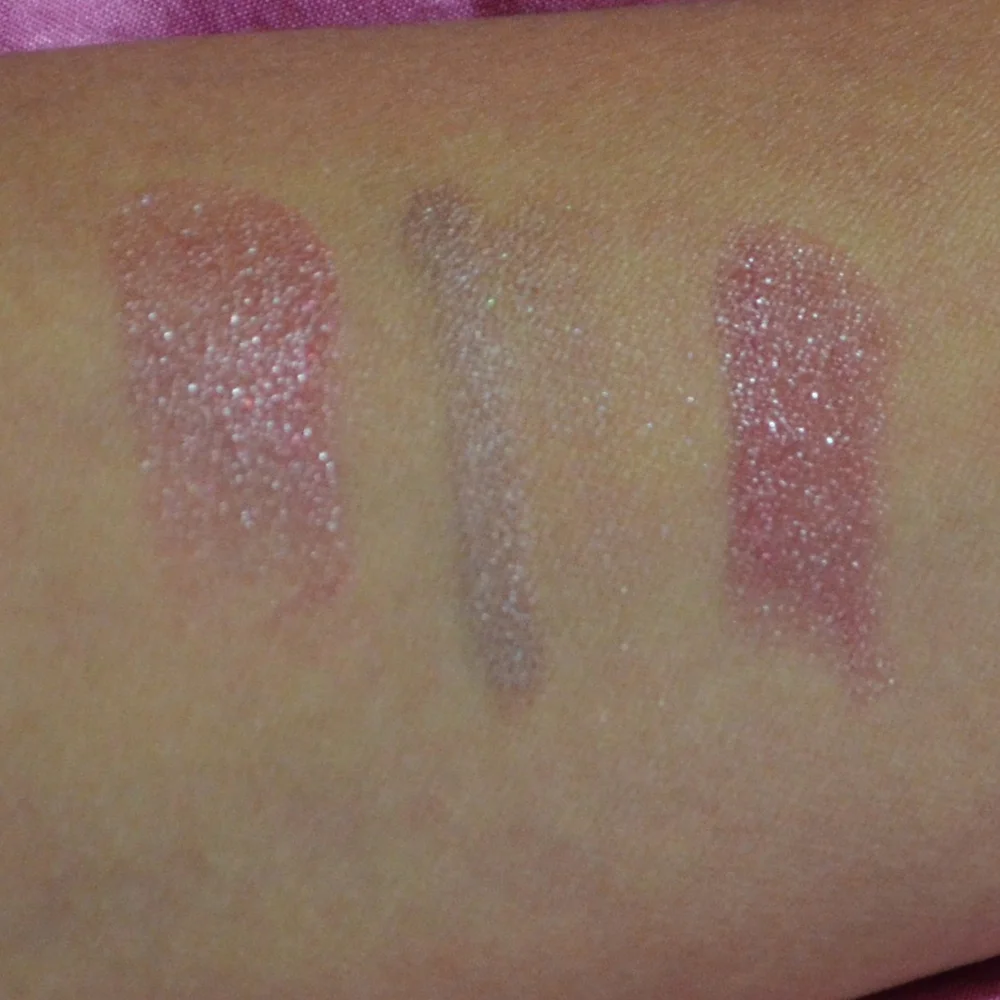
A finger swatch is useful for assessing texture, but it can exaggerate pigment payoff. Natural oils on the skin help a shadow glide and intensify, while a brush reveals how easily the formula transfers to the eyelid. MAC often looks more predictable when tested with a brush because its colour can be placed, diffused and layered in a controlled way. NYX may produce a bigger first impression with a finger swatch, yet some shades lose impact when swept through the crease.
Skin tone and undertone also change the result. A pale beige matte may appear nearly invisible on fair skin but work beautifully as a transition shade on deeper complexions. A red-based brown can look terracotta on one person and burgundy on another. For Australian shoppers testing products in bright Sydney daylight or under the warm lighting of a Melbourne department store, checking the shade away from the display lights is worthwhile.
The lid itself matters just as much. Oily eyelids can dilute matte colour and make shimmer migrate, while dry or textured lids may catch powder and create uneven patches. An eye primer helps both brands, though the type of primer changes the finish. A smooth, set base supports blending; a slightly tacky base usually increases intensity, particularly for NYX metallics and glitter-infused shades.
Before choosing a formula, it helps to consider the rest of the routine. If sunscreen tends to pill beneath makeup, the eye area may also receive extra rubbing during application and touch-ups. A practical look at sunscreen under foundation is relevant here because a stable base contributes to a cleaner overall makeup application, even when the eyeshadow itself is the focus.
Matte performance and blendability
MAC mattes are usually the safer choice for anyone who values a polished, graduated eye look. Their softer powder structure can make transition shades easy to diffuse, while deeper shades often build without turning instantly muddy. This makes the brand appealing for office makeup, wedding looks and face-of-the-day routines where control matters more than dramatic opacity in one swipe.
The trade-off is that some MAC mattes are intentionally designed to be buildable. If the goal is an intense smoky eye immediately, the first layer may feel less impressive than expected. Deep shades can also reveal differences in brush quality. A dense packing brush gives stronger payoff, whereas a fluffy brush creates a softer veil of colour.
NYX mattes vary more noticeably from product to product. Some are smooth, richly pigmented and easy to blend, while others can feel dry or powdery. A highly pigmented matte may need a lighter hand because excess product can cling in one area and become difficult to diffuse. This is particularly relevant with black, navy and vivid violet, where patchiness is more visible.
For beginners, NYX can be a good way to experiment with colour without making a major investment. For artists or makeup enthusiasts who want predictable transitions, MAC may justify its higher price through consistency. Australian pricing can narrow or widen the gap depending on sales, loyalty offers and whether a product is purchased through a department store, Mecca, a brand website or a local beauty retailer.
Shimmer, metallic and glitter payoff
Shimmer is where the comparison becomes more complicated. MAC’s satin and frost textures tend to offer a refined sheen rather than a wet-looking foil. They can be swept across the lid with a brush for a sophisticated finish, then intensified at the centre with a fingertip. This flexibility suits anyone who wants one shadow to perform in both daytime and evening makeup.
NYX frequently leans into high-impact sparkle. Metallic shades can appear highly opaque when pressed onto a primer, and some glittery formulas create a more obvious reflective effect than a traditional MAC satin. That extra drama is attractive for festival makeup, party looks and colourful weekend styles, but it can come with fallout or a less even surface.
Application technique changes the outcome for both brands. Packing rather than sweeping preserves shimmer particles, while a flat synthetic brush gives more concentrated placement. A glitter adhesive can improve hold, although it may make blending around the edges harder. For a softer result, placing a matte transition shade first and adding shimmer only to the mobile lid prevents the look from becoming visually flat.
Humidity should also be considered in Australia. A long summer day in Brisbane can make creamy shadows crease sooner, while a dry, air-conditioned room in Adelaide or Perth may make powder formulas feel less comfortable. A primer and a light setting layer can extend wear, but no pigment claim replaces a formula that suits the climate and the wearer’s eyelids.
Wear time, fallout and removal
MAC’s best-performing shadows tend to fade gradually rather than disappear in patches. With primer, many shades remain present through a standard workday and evening plans, though crease-prone lids may still need a small touch-up. Dark mattes can lose some intensity as oils develop, while lighter shades may remain attractive even after their peak saturation has softened.
NYX wear time depends heavily on the individual range. A strong pressed shimmer over an eye base can last impressively well, but loose sparkle and softer metallics may shift. Fallout is most noticeable during application, so completing eye makeup before foundation is a sensible habit when using a particularly powdery or glitter-heavy shade. This is less about brand loyalty and more about reducing clean-up.
Removal is another practical distinction. Long-wearing metallics and glitter particles should be loosened with an oil-based or bi-phase remover rather than scrubbed away with a cotton pad. Gentle removal is especially important after a full day in air conditioning, when the skin around the eyes may already feel dry. Joyce’s guide to winter skincare essentials offers useful context for keeping a makeup routine comfortable during colder, drier weather.
Value also includes how often a shadow can be worn. A versatile MAC neutral may earn its cost through frequent use, while a vivid NYX shade can offer excellent value if it fills a specific gap in a collection. A cheaper palette is not automatically economical if several shades are too similar, difficult to use or left untouched.
Quick reference for choosing a formula
A useful comparison starts with the finish you wear most often rather than the logo printed on the packaging. Think about whether you prefer a sheer veil, a buildable matte, a reflective lid shade or immediate full-opacity colour. The right choice may differ between a transition shade and a statement shade.
For a controlled, polished everyday look, these qualities are especially useful:
- Soft mattes that blend without harsh edges
- Buildable neutral shades for office makeup
- Satin finishes with restrained, wearable sheen
- Consistent texture across several pans
For bold colour and evening impact, prioritise these characteristics:
- Pressed pigment with strong first-layer coverage
- Metallics that work over a tacky eye base
- Rich jewel tones that remain vivid after blending
- Minimal fallout during packing and placement
Australian availability can influence the final decision too. A product found at a local counter in Sydney, Melbourne or Brisbane is easier to test and exchange than an imported item with uncertain shipping. Prices in Australian dollars, discount periods and access to testers can change the value equation considerably. Browsing independent reviews on Bronzer Bunny can help place an individual shadow in the context of real routines rather than relying only on promotional swatches.
Which brand earns the spend?
MAC is the stronger option for dependable blending, refined finishes and a curated collection of reliable everyday shades. Its pigment payoff is often controlled rather than explosive, which is an advantage for anyone who wants time to shape an eye look. The higher price makes the most sense when the shade will be used regularly, especially for a neutral matte or a versatile satin.
NYX is compelling for experimentation, bright colour and reflective finishes at a more accessible price. It can deliver excellent intensity, but the range requires closer inspection because texture and longevity vary. A shopper willing to use primer, adjust brush technique and accept occasional fallout may find outstanding value, particularly during Australian sales at Priceline, Chemist Warehouse or online retailers.
The fairest verdict is shade by shade. MAC usually wins for predictable application and seamless blending, while NYX can win for immediate drama and budget-friendly variety. For pigment payoff alone, neither brand takes every category; the best purchase depends on whether “payoff” means one-swipe opacity, easy layering, high shine or colour that stays vivid until the end of the day.
Build a comparison around the shades you will actually wear, test them with both a finger and a brush, and assess them in natural light before buying. That small amount of real-world testing makes it easier to decide whether a MAC single shadow deserves the investment or whether a NYX palette delivers the colour impact your makeup bag has been missing.
Brands featured on bronzer bunny
Luxury & Mid-Range Favorites
Joyce covered an extensive range of beauty brands, from prestige houses to accessible drugstore staples.

Recurring Series
Love It or Toss It • Products That Didn't Work for Me • Weekly Rotation • Saturday Recap • Lipstick Diaries • Makeup Challenge!
JOYCE'S SIGNATURE SERIES KEPT READERS HOOKED
Read the Series