
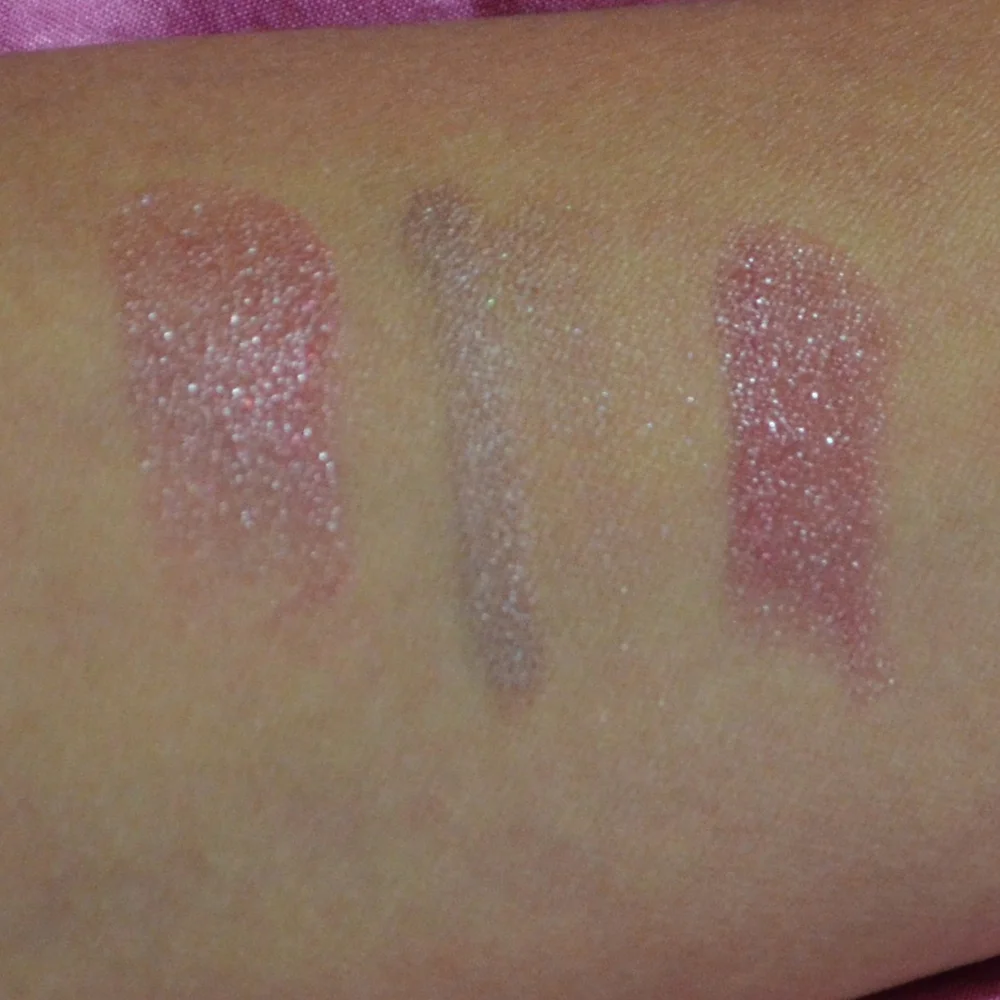
Luxury Beauty Blog
bunny
Honest makeup reviews, product comparisons, FOTD looks, and beauty hauls — from a beauty-obsessed friend who tells it like it is.
Explore the Blog
"I am a major beauty addict, but my biggest challenge is actually using the products I'm obsessing over! I shop frequently, but most days pass and not a speck of makeup goes on my face."
— Joyce, bronzer bunny
Meet Joyce
About bronzer bunny
A beauty journey, one swipe at a time
Joyce started bronzer bunny to share her honest take on luxury and mid-range beauty products. Based near Chicago, she's a self-described beauty addict who loves connecting with fellow enthusiasts. Her blog features in-depth reviews of brands like Chantecaille, Burberry, Tom Ford, Nars, Guerlain, and Tatcha — always with a warm, conversational voice.
Recurring series like Love It or Toss It, Products That Didn't Work for Me, Weekly Rotation, and Lipstick Diaries kept readers coming back for real talk about what's worth the splurge. From FOTD posts to shopping hauls along Chicago's Magnificent Mile, Joyce documented her makeup journey from November 2011 through early 2014.

The Best Setting Powders for Oily and Combination Skin
Setting powder can make the difference between makeup that looks polished at 8 a.m. and a shiny, separated base by lunchtime. For oily and combination skin, the right formula needs to control excess sebum without leaving the cheeks flat, dry or visibly dusty. That balance becomes even more important when foundation, concealer and sunscreen are layered together.
A powder that works beautifully on a dry winter complexion may look heavy around the nose or forehead on combination skin. Likewise, a very matte product can be excellent for humid days but too unforgiving when applied over textured areas. The most useful comparison is therefore less about declaring one universal winner and more about matching finish, texture and wear time to the way your skin behaves.
Australian conditions add another variable. Hot, humid weather in Brisbane or Darwin can test the oil-control claims of any compact, while Melbourne’s changeable days may call for strategic powdering rather than a full-face set. In Sydney, commuting, outdoor lunches and strong sunlight can expose cakiness quickly, and in Perth, dry heat may make an ultra-matte formula cling to dehydrated patches.
The products worth considering range from finely milled loose powders to practical pressed compacts and luminous setting veils. If you prefer a fresh base, techniques such as those in this guide to a dewy cushion finish show why powder placement matters as much as the product itself.
How Oily And Combination Skin Behaves
Oily skin usually produces more sebum through the centre of the face, particularly across the forehead, nose and chin. Combination skin has a similar pattern, but the outer cheeks can feel normal, tight or easily dehydrated. Applying the same quantity of powder everywhere often creates an uneven result: the T-zone remains shiny while the cheeks look dry and overworked.
The best setting powders for this skin type absorb or diffuse oil without forming a thick film. Silica, rice starch, talc and certain mineral powders can reduce visible shine, although performance depends on the whole formula. A powder may contain a mattifying ingredient yet still wear poorly if it is too finely dry, too pigmented or difficult to blend.
Pay attention to how your complexion changes during the day. If shine appears within an hour, a stronger oil-controlling powder may be useful around the nose and forehead. If your skin looks smooth initially but develops patches after three hours, a lighter pressed powder or a hydrating skincare base may be a better solution than increasing powder coverage.
Loose Powder Versus Pressed Powder
Loose setting powder generally offers the most seamless finish because the particles can be milled very finely. It is especially effective for setting liquid concealer beneath the eyes, blurring pores around the nose and reducing shine on an oily forehead. Translucent loose formulas also tend to add less coverage, which helps preserve the appearance of foundation underneath.
The drawback is practicality. Loose powder can spill in a makeup bag, become messy around a bathroom basin and dispense more product than necessary. Baking, where a thick layer is left on the skin for several minutes, is rarely the best everyday approach for combination skin. It can emphasise expression lines and make the cheeks look parched, even when the T-zone benefits from the extra oil control.
Pressed powder is easier to carry for touch-ups and usually gives more controlled application. Many pressed formulas add a little pigment, making them useful for smoothing the appearance of redness or refreshing foundation. However, repeated use over oily areas can eventually create a hard layer, especially if the puff is placed directly onto unblotted skin.
For an Australian handbag, a sturdy pressed compact is often the practical choice. It suits office commutes, long shopping trips at Chadstone or a quick mirror check before dinner in Surry Hills. Loose powder remains preferable when you are doing a complete base at home and want the most delicate, undetectable set.
Ingredients And Finishes Worth Comparing
A truly matte powder is useful when the priority is maximum shine control, but it can make skin appear flatter and more textured. Soft-matte formulas are generally more forgiving for combination complexions because they reduce glare while leaving a hint of natural dimension. Blurring powders sit between the two: they may not absorb every trace of oil, but they can make pores and uneven texture look less prominent.
Silica-heavy powders often provide a smooth, lightweight feel and can be excellent for the T-zone. Some people find that they create flashback in photographs when applied too generously, so a thin layer and a quick check in natural light are sensible. Talc-based products can offer reliable oil control and a creamy application, while mineral formulas may appeal to people who prefer a simpler ingredient profile.
Tinted powders deserve careful shade selection. A translucent product is not automatically invisible on every complexion; some appear pale, ashy or slightly pink on deeper skin tones. Yellow, golden, beige and richer translucent options can look more natural, particularly after sunscreen has warmed the appearance of the skin. Australian brands often provide undertones designed for local complexions, but shade labels still need testing in person where possible.
Luminous powders require restraint on oily skin. A subtle satin veil can revive the cheekbones and prevent a flat finish, while visible shimmer across the nose can exaggerate texture and oil. The most flattering combination is often matte or soft-matte through the centre of the face with a barely radiant powder on the outer cheeks.
Wear Time In Heat And Humidity
Wear testing should account for more than the first ten minutes after application. A powder can look beautifully smooth at home and then separate once facial warmth, humidity and movement enter the picture. Apply foundation as usual, set half the face, and compare the finish after four, six and eight hours. This reveals whether the product controls shine, clings to dry spots or disappears unevenly.
In Queensland’s humid summer, a finely milled loose powder may outperform a silky pressed formula because it locks down liquid layers more thoroughly. That does not mean adding more each time the face becomes shiny. Blot first with tissue or blotting paper, then press a small amount of powder only where oil has returned. Rubbing a compact across the skin can disturb foundation and create a patchy surface.
For dry heat in South Australia or Western Australia, the skincare underneath becomes especially important. Use a light moisturiser and allow sunscreen to settle before applying base makeup. A highly absorbent powder over inadequately moisturised skin may produce tightness by mid-afternoon. In cooler Melbourne weather, a flexible soft-matte powder often offers enough control without stripping the appearance from the complexion.
Longevity also depends on the foundation beneath it. A thin, natural-finish base usually accepts powder more evenly than a thick, emollient foundation. For affordable base options, these drugstore foundation picks provide useful context: the lighter the foundation texture, the less powder is typically needed to keep it in place.
Application Techniques That Prevent Caking
Preparation should begin with a clean, balanced base rather than a heavy layer of moisturiser. Apply skincare in thin amounts, give sunscreen time to settle, and remove any obvious tackiness with a clean tissue before foundation. This is particularly helpful in summer, when sunscreen, primer and complexion products can combine into a slippery surface.
A small tapered brush gives the most control around the nostrils and inner cheeks. Press the brush into the powder, tap away excess and use short pressing motions instead of sweeping aggressively. A damp sponge can create a more perfected finish, but it also deposits more product, so it is better reserved for areas that genuinely need extra coverage.
For the T-zone, powder in stages. Set lightly after foundation, complete the rest of the face, then reassess the shine before adding a second veil. This approach prevents the thick, dry look that comes from trying to predict how much oil will develop later. The cheeks usually need little or no powder if the foundation has already set comfortably.
A setting spray can soften excess powder, but it should not be used to compensate for a formula that is fundamentally too dry. Mist from a reasonable distance and let the face settle without touching it. If you need a quick afternoon refresh, blot first, mist lightly if desired, and use a small brush to repair only the areas where coverage has faded.
Choosing A Powder For Your Makeup Bag
The ideal product depends on the finish you want, your oil pattern and how often you expect to touch up. Someone working in an air-conditioned office may prefer a silky pressed compact, while a person outdoors in Darwin needs stronger control and a reliable blot-and-set routine. A bridal or event makeup kit may justify both types: loose powder for the initial application and pressed powder for precise maintenance.
Luxury powders often excel in texture, packaging and finely milled particles, but mid-range and pharmacy options can perform extremely well. Price is worth considering alongside grams of product, refill options and how much you use per application. A compact that travels well and remains comfortable after several touch-ups can be better value than a beautiful loose powder that stays at home.
For broader product testing and personal comparisons across makeup categories, the Bronzer Bunny beauty blog archive is a useful place to explore real-world reviews. Look for comments about texture, wear time and shade behaviour rather than relying only on claims such as “oil-free” or “long-lasting”.
Practical Powder Picks By Skin Need
- For a very oily T-zone: Choose a finely milled loose powder with strong oil-control ingredients and apply it selectively to the forehead, nose and chin.
- For combination skin with dry cheeks: Use a soft-matte pressed powder through the centre of the face and leave the outer cheeks lightly set.
- For humid summer weather: Select a thin, buildable formula that can be pressed over blotted skin without immediately becoming thick.
- For mature or textured skin: Avoid heavy baking and choose a blurring powder with a flexible, skin-like finish.
- For deeper complexions: Test translucent and tinted shades in daylight to check for grey, white or overly pink residue.
- For handbag touch-ups: Pick a sturdy pressed compact with a mirror and a washable puff or use a small separate brush to prevent transferring oil back onto the skin.
Start by identifying where shine actually appears rather than powdering automatically. Test a new formula during an ordinary day, including your usual sunscreen, foundation and local weather conditions. The right setting powder should make your base feel more secure while still allowing skin to look like skin.
Keep the product within reach for targeted touch-ups, but let the face develop naturally between them. A controlled sheen on the high points can look fresher than an aggressively matte complexion. With thoughtful placement, the best powder for oily or combination skin is the one that supports your routine, survives your climate and remains comfortable from the morning commute to the final plans of the day.
Brands featured on bronzer bunny
Luxury & Mid-Range Favorites
Joyce covered an extensive range of beauty brands, from prestige houses to accessible drugstore staples.
Recurring Series
Love It or Toss It • Products That Didn't Work for Me • Weekly Rotation • Saturday Recap • Lipstick Diaries • Makeup Challenge!
JOYCE'S SIGNATURE SERIES KEPT READERS HOOKED
Read the Series